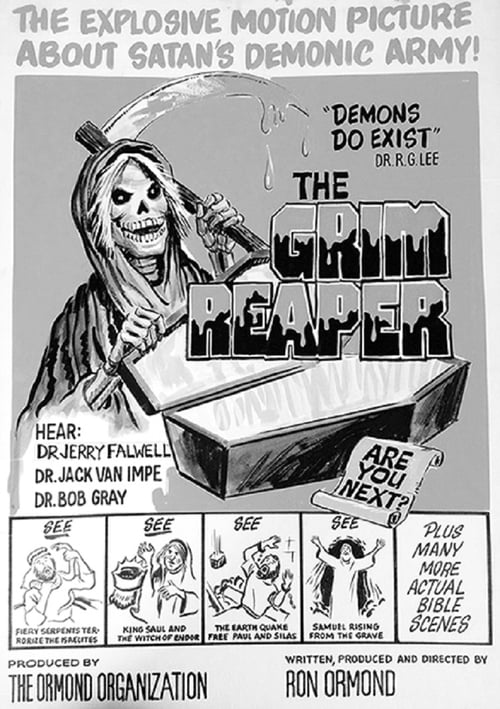
The Grim Reaper
1976
No user ratings available yet
Representation score: 0.4 out of 10
Representation Score
Minimal
1974
Not RatedDirector
Ron Ormond
Runtime
58 minutes
Average Rating
No ratings yetNew Showbiz Analysis
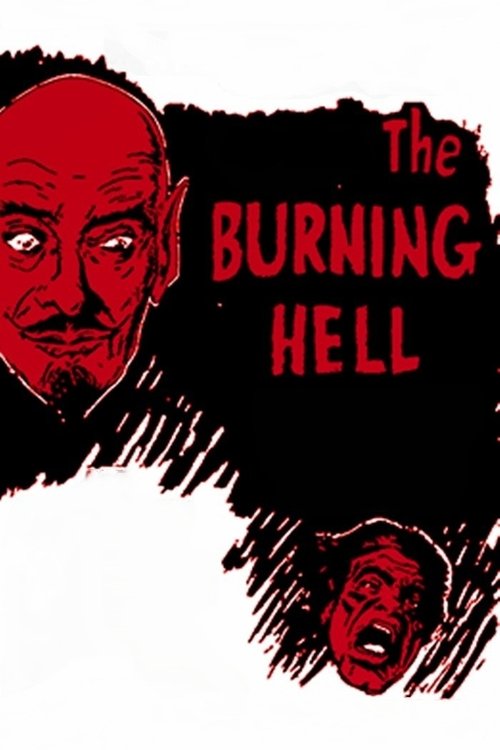
The Burning Hell primarily serves as a didactic tool for religious instruction, upholding established religious and social hierarchies while prioritizing absolute moral truths over diverse perspectives. By focusing on the authority of the church and the consequences of sin, the film resists the deconstruction of traditional norms, resulting in a lack of representation across various progressive vectors. The film's commitment to traditionalist messaging ensures that the social structures remain rigid and unchallenged.
Category Breakdown
The film adheres to a strict religious framework and does not include any representation of non-binary gender identities or same-sex relationships.
The film reinforces traditional gender roles and hierarchies, where characters adhere to conservative social expectations without challenging traditional masculinity or elevating women's roles.
The narrative focuses on theological concepts of sin and salvation within a homogeneous cast, lacking diverse racial representation.
The film reinforces traditional Western religious institutions and promotes singular Christian morality, positioning religious authority as the ultimate judge of truth.
The film does not portray characters with physical or neurodivergent disabilities who play a significant role in driving the story, instead framing any deviations through a spiritual judgment lens.
Present on Screen
Limited or Absent
Official Synopsis
Pastor Estus W. Pirkle preaches about hell, where all non-Christians will suffer eternal torment. He's also visited by two self-professed “Christians” who don't believe in hell.
1976
1961
1971
1978
2017
1977
1945
1924
No reviews yet. Be the first to share your thoughts on this movie!
Use the rating form above to leave a star rating and optional review.