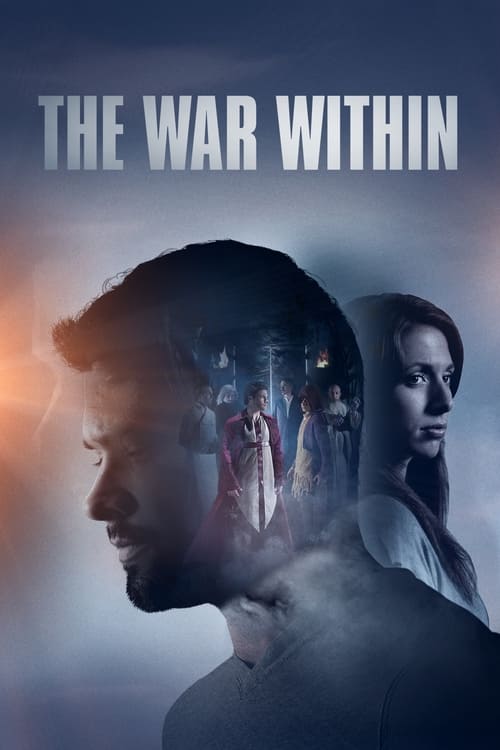
The War Within
2014
No user ratings available yet
Diversity score: 1.8 out of 10

1977
Not RatedDirector
Ron Ormond
Runtime
60 minutes
Average Rating
No ratings yetSynopsis
The third and final evangelical cinema collaboration between Rev. Estus Pirkle and directors Ron and June Ormond depicts the glory of Heaven - with a clear warning for what awaits sinners.
Overall Score
Minimal
Category Breakdown
LGBTQ+ Representation
The film functions as an evangelical didactic tool that adheres to strict heteronormative structures. There is no evidence of non-cisnormative identities or same-sex intimacy within the narrative.
Gender Representation
Gender roles are portrayed through a lens of traditionalism. Female agency is often tied to spiritual submission or domestic virtue, while leadership remains centered around patriarchal religious authority.
Racial & Ethnic Diversity
The film likely utilizes homogeneous casting to reflect the specific demographics of its target audience. The narrative prioritizes cultural familiarity over intersectional or multi-ethnic representation.
Religious & Cultural Diversity
The story promotes a singular Christian morality built on a binary of salvation and damnation. It reinforces traditional Western religious institutions and views adherence to spiritual laws as the ultimate good.
Disability Representation
Physical or mental infirmity is used as a metaphor for spiritual states. These portrayals risk using disability as a narrative device for redemption rather than granting characters independent agency.
Strengths
Areas for Improvement
AI Analysis
The Believer's Heaven is a traditionalist text designed to uphold established religious and social hierarchies. Its primary purpose is moral instruction through a specific evangelical lens, which naturally limits the inclusion of diverse perspectives. The film relies on conventional archetypes and a binary worldview of salvation versus sin. This framework prioritizes the reinforcement of traditional Western religious values over any engagement with intersectional identities or social subversion. Ultimately, the production serves a specific theological agenda, resulting in a narrative that favors cultural homogeneity and patriarchal structures over modern standards of representation.
2014

1957
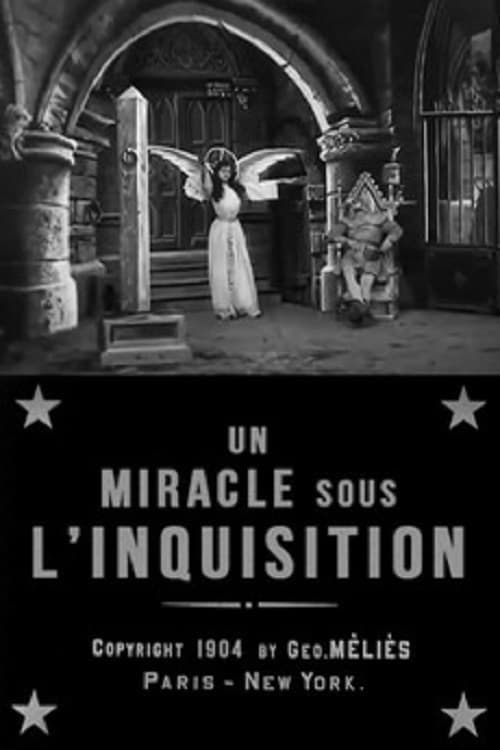
1904
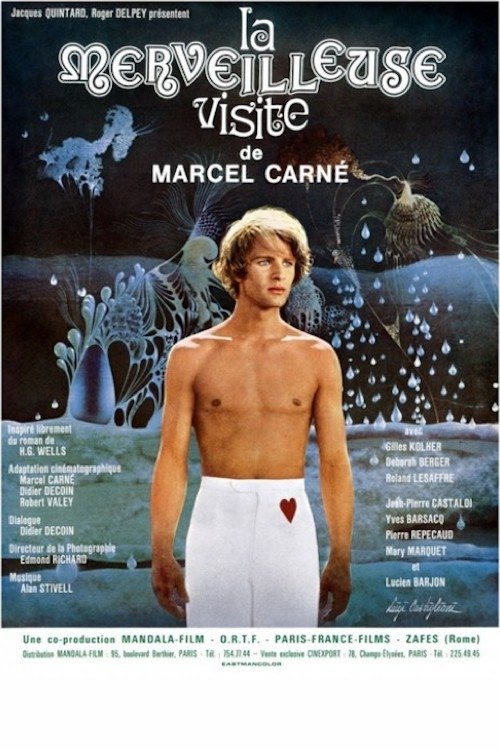
1974

1981

1904
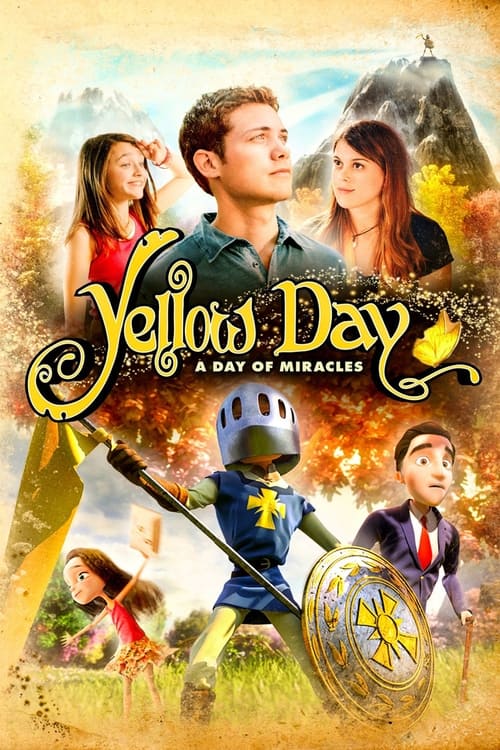
2015
2002

2002
1974
1971
No reviews yet. Be the first to share your thoughts on this movie!
Use the rating form above to leave a star rating and optional review.