The Rise of ISIS
2014
No user ratings available yet
Representation score: 5.5 out of 10
Representation Score
Good
2021
TV-PGDirector
Michael Kirk, Richard D. Young
Runtime
54 minutes
Average Rating
No ratings yetNew Showbiz Analysis
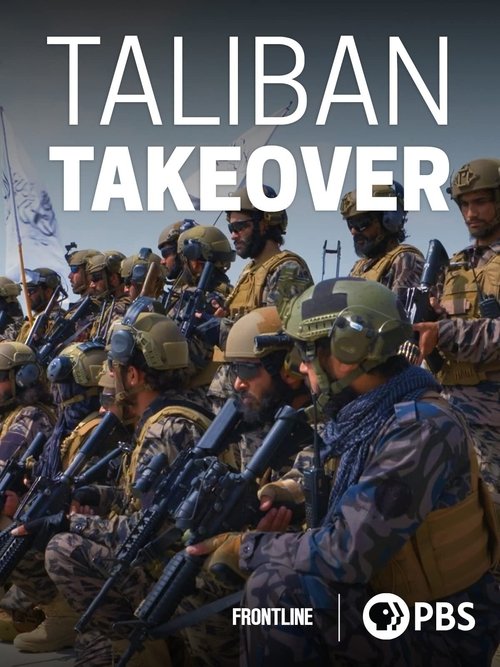
Taliban Takeover succeeds by centering the Afghan experience rather than adopting a Western-centric viewpoint. By prioritizing local voices, the documentary dismantles the typical outsider narrative found in geopolitical reporting. The film effectively critiques the erosion of personal freedoms and the imposition of rigid hierarchies. It frames the political upheaval as a major disruption of individual control and overlapping identities. While the documentary excels in representing cultural and ethnic diversity, it lacks a direct focus on specific LGBTQ+ identities or disability-centric narratives.
Category Breakdown
The film doesn't include specific LGBTQ+ identities or narratives, but it criticizes the new regime for erasing non-conforming lifestyles under patriarchal structures.
The documentary highlights the loss of women's autonomy during the shift to strict patriarchal governance, emphasizing their vulnerability and displacement under new leadership.
The film features a predominantly Afghan cast, giving significant roles to local citizens. It avoids focusing solely on Western perspectives by prioritizing the experiences of those living through the transition.
The narrative explores the tension between local religious authorities and global modernism. It depicts the Taliban's legal enforcement as a form of religious vigilantism and social disruption.
There is insufficient evidence to determine if neurodivergence or physical disabilities are addressed as central character arcs within the film.
Present on Screen
Limited or Absent
Official Synopsis
The Taliban take over Afghanistan, and the threat of ISIS and Al Qaeda intensifies. On the ground, reporter Najibullah Quraishi (Leaving Afghanistan, Taliban Country) investigates uncertainty and fear among the Afghan people and revisits the lead-up to the U.S. defeat and the Taliban’s return.
2014
2019
2015
2020
2017

2015
2020
2023
No reviews yet. Be the first to share your thoughts on this movie!
Use the rating form above to leave a star rating and optional review.