
Santo in the Mystery of the Black Pearl
1976
No user ratings available yet
Representation score: 1.8 out of 10
Representation Score
Limited
1973
Director
Federico Curiel
Runtime
80 minutes
Average Rating
No ratings yetNew Showbiz Analysis
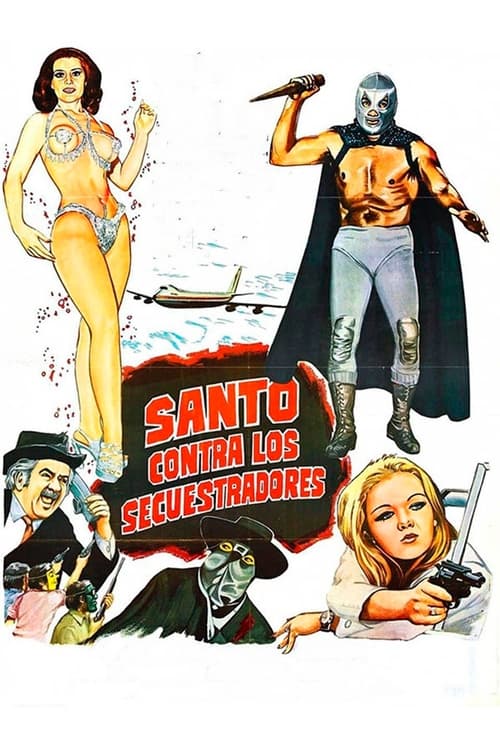
Santo vs. the Kidnappers is a quintessential genre piece that prioritizes physical heroism and moral clarity. While it succeeds in providing a Latin American hero with international ability to act, it remains tied to the rigid clichés of mid-century action cinema. The film lacks the depth needed to challenge social hierarchies. It functions as a traditional protector narrative, reinforcing existing power structures rather than questioning them. Ultimately, the work offers cultural value through its protagonist but fails to provide significant representation for underrepresented identities or diverse social perspectives.
Category Breakdown
The film follows the straight-centered conventions typical of the 1973 luchador genre. There are no queer narratives or non-straight identities present in the story.
The narrative focuses on a hyper-masculine protagonist, leaving little room for women to take leading roles. Women appear mainly in nightclub settings, reinforcing traditional gender hierarchies.
Centering a Mexican icon in an international setting like Ecuador provides meaningful non-Anglo-centric ability to act. However, the film relies on established archetypes rather than deep multi-layered complexity.
The story follows a traditional morality play where the hero restores social stability. It reinforces conventional depictions of justice and law enforcement without challenging established institutions.
There is no mention of characters with visible or invisible disabilities. No evidence suggests their presence or use as plot devices within the film.
Present on Screen
Limited or Absent
Official Synopsis
Santo goes to Ecuador to sit in nightclubs and watch stage shows, also to crack a counterfeiting ring.
1976
1982

1980

1990
1962
1973
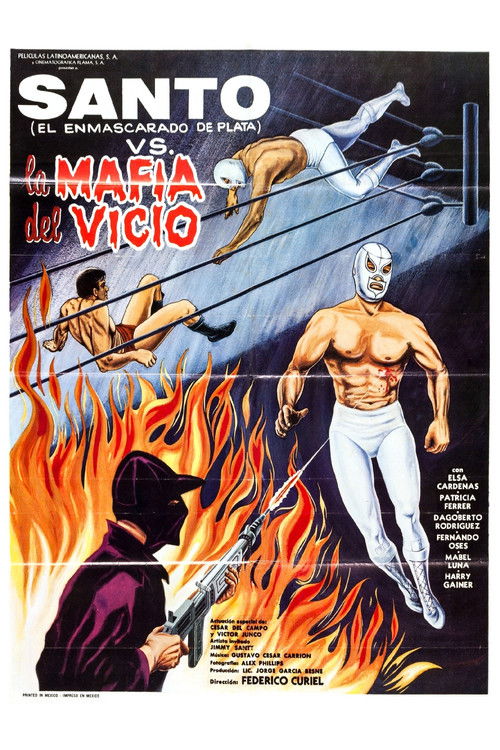
1971
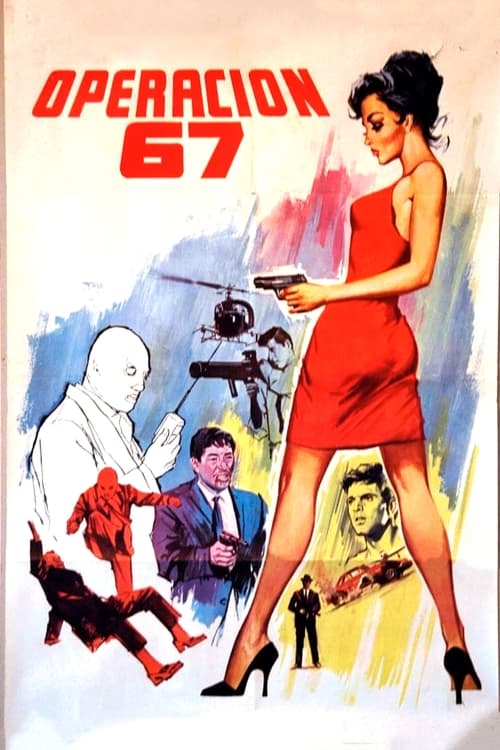
1967
No reviews yet. Be the first to share your thoughts on this movie!
Use the rating form above to leave a star rating and optional review.