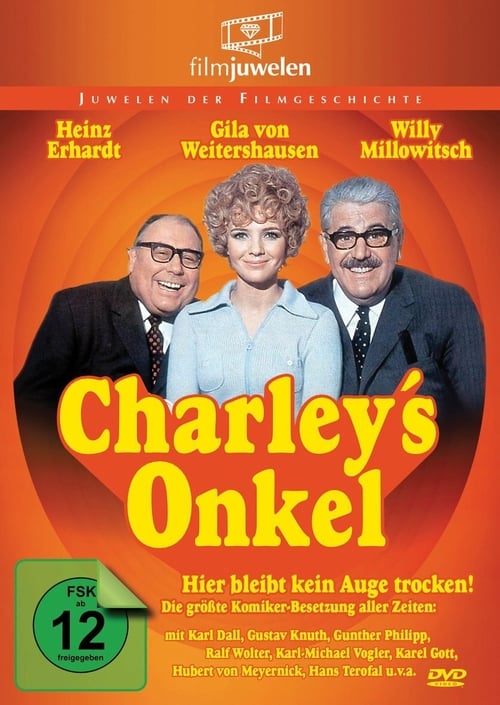
Charleys Onkel
1969
No user ratings available yet
Representation score: 1.7 out of 10
No Poster Available
Representation Score
Fair
1996
Director
Peter Timm
Average Rating
No ratings yetNew Showbiz Analysis
Die Putzfraueninsel is a character-driven comedy that finds its strength in subverting traditional social and gendered hierarchies. By centering on a female protagonist who navigates unconventional lifestyles and gains unexpected autonomy, the film moves away from rigid patriarchal structures. However, the film lacks multi-layered breadth. The social environment remains largely homogeneous, focusing on a specific European milieu without significant racial or ethnic diversity. While it touches on queer visibility through social settings, these elements remain secondary to the main narrative. Ultimately, the film succeeds as a study of individual ability to act and shifting social status, even if it remains limited in its broader cultural scope.
Category Breakdown
The film includes Irma's involvement with a gay choir, integrating queer social spaces into her life. However, these elements serve more as part of the social fabric rather than central plot drivers.
The story centers on Irma, a strong female lead who navigates complex power dynamics. It shifts wealth and authority from institutional figures to the women involved, challenging traditional gender roles.
The narrative focuses on a localized European social milieu. There is no evidence of a diverse cast or ethnic variety within the primary plot or setting.
The film explores moral complexity by prioritizing subjective morality over rigid ethical frameworks. It deconstructs traditional family structures through unconventional social circles and fluid social status.
The plot features a character held captive in a cellar, but it is unclear if this relates to a disability. There is insufficient information to assess representation here.
Present on Screen
Limited or Absent
Official Synopsis
Berlin student Irma plays the balalaika in a gay choir, is having an affair with her married psychotherapist and is getting on quite well with her life. She works as a cleaner in the villa of judge Dr. Schwarz. But her life is thrown into turmoil when she discovers that the lady of the house is holding her mother-in-law Nelly captive in the cellar. Irma quickly frees the old lady and takes her into her own home for the time being. As soon as Nelly regains consciousness, she launches a campaign of revenge against her daughter-in-law, giving Irma a million in cash and the villa where Irma had been cleaning the day before. Nelly herself disappears to Mallorca, the island of cleaning ladies. Irma, who has grown fond of the lively old woman, travels after her...
1969

1985

1996

1995

2013

2006

2003
1970
No reviews yet. Be the first to share your thoughts on this movie!
Use the rating form above to leave a star rating and optional review.