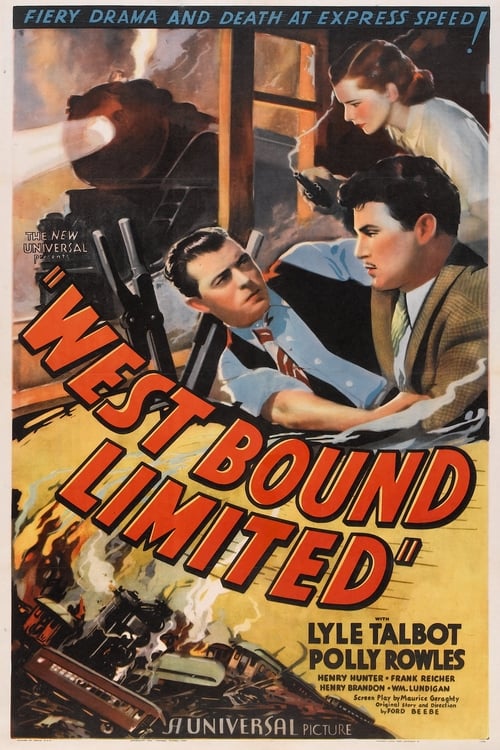
West Bound Limited
1937
No user ratings available yet
Representation score: 0.3 out of 10
No Poster Available
Representation Score
Minimal
1925
PassedDirector
J.P. McGowan
Runtime
25 minutes
Average Rating
No ratings yetNew Showbiz Analysis
Mistaken Orders is a typical 1920s adventure film that emphasizes physical action and straightforward heroism. While it avoids some common clichés, it remains firmly grounded in the social structures of its time. The film's standout feature is Helen Barton, who stands out due to her technical problem-solving and driving abilities. She breaks away from the passive female roles common in early cinema. Overall, the film lacks diversity. It portrays a uniform society focused on industrial stability, traditional gender roles, and conventional romance.
Category Breakdown
The film centers on the relationship between Helen Barton and Tom Lawson, following a traditional romantic storyline. There are no characters with non-conforming gender identities or same-sex relationships.
Helen Barton takes a leading role by driving a car and fixing telegraph wires, showing her independence. However, the film upholds traditional gender roles by assigning physical heroism to Tom Lawson.
The story focuses on railroad workers and families in a Western industrial setting. There is no indication of a diverse cast or characters from non-Anglo-Saxon backgrounds.
The film highlights industrial progress and the maintenance of order against antagonists. It upholds early 20th-century values without questioning them.
No characters have visible or invisible disabilities. There is no mention of neurodivergence or physical impairments.
Present on Screen
Limited or Absent
Official Synopsis
Vincent Barton, the son of the vice-president of a railroad company, takes a job as the depot agent at Bynes. He fires one of Tony Sharkey's henchmen, scheming against the railroad, and, as a result, a fight takes place and a switching order is overlooked which nearly results in a major wreck. Realizing the situation at Hynes, Helen Barton, Vincent's sister, dashes to Hynes in her roadster and puts together a severed telegraph wire to put the station back in communications with headquarters. Meanwhile, Helen's sweetheart, Tom Lawson, is fighting with Sharkey in a run-away engine and it is headed for an open bridge over a river.
1937
1928
1905
1926
1931
1911
1926
1933
No reviews yet. Be the first to share your thoughts on this movie!
Use the rating form above to leave a star rating and optional review.