
The Girl and Her Trust
1912
No user ratings available yet
Representation score: 0.3 out of 10
Representation Score
Minimal
1911
UnratedDirector
D.W. Griffith
Runtime
17 minutes
Average Rating
No ratings yetNew Showbiz Analysis
The film stands out in its portrayal of gender ability to act while maintaining a narrow demographic focus. The protagonist's technical expertise and heroism offer a rare early example of a female-led narrative centered on professional skill rather than passivity. However, the film operates within a limited social framework, lacking in racial, cultural, and LGBTQ+ diversity. It presents a homogeneous world reflective of the era’s traditional demographic structures. Ultimately, while the film does not represent a wide range of human identities, it provides a significant moment of character's ability to drive the story within a restrictive historical context.
Category Breakdown
There are no LGBTQ+ characters or non-cisgender identities in the film. The social framework sticks closely to the conventions of the early 20th century.
The female protagonist challenges the era’s hierarchies by being the main driver of the plot. She shows great technical skill and bravery, breaking the typical damsel in distress cliché.
The cast is uniform and fits a traditional Western setting. There is no indication of non-white ability to act or diversity in casting.
The story follows traditional Western values of heroism and perseverance. It emphasizes individual duty and the protection of infrastructure through hard work and vigilance.
The father's illness serves only as a plot device to push the protagonist into her role. Characters are not shown with depth or autonomy regarding lived disability experiences.
Present on Screen
Limited or Absent
Official Synopsis
A young woman takes over her sick father's role as telegraph operator at a railway station, and has to deal with a team intent on train robbery.
1912
1909
1912
1926
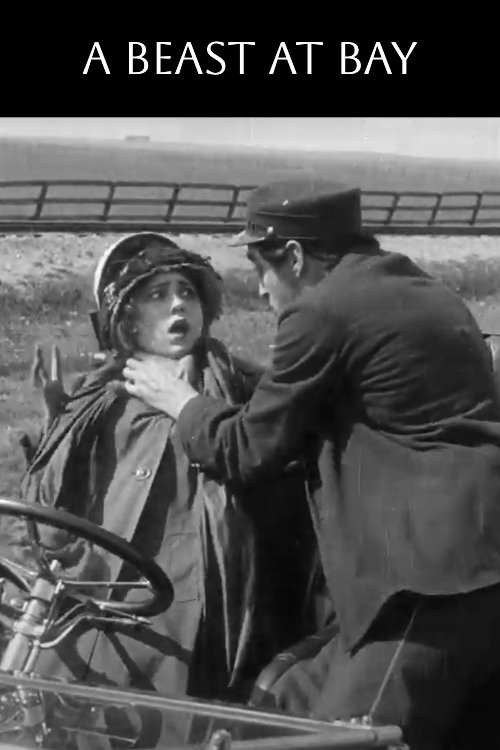
1912
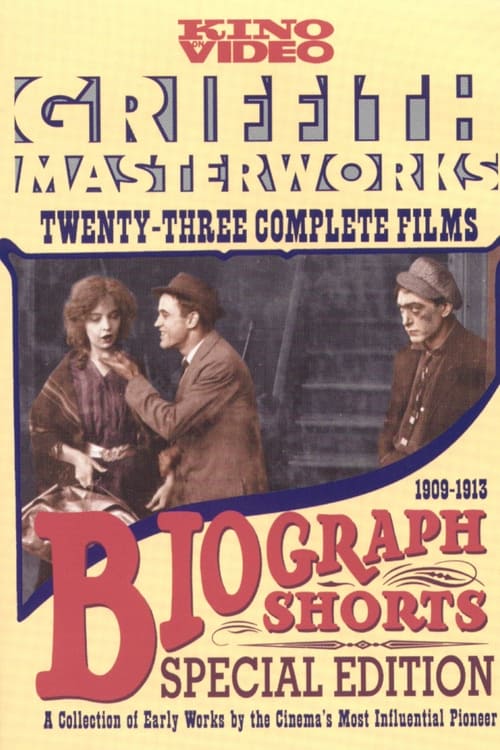
1911
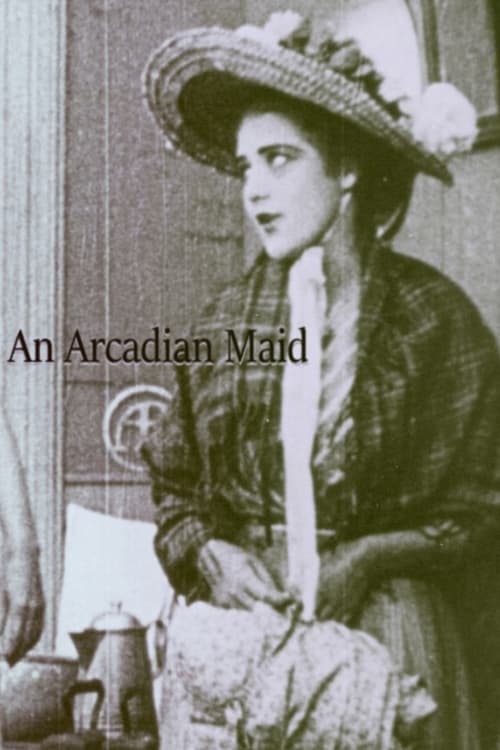
1910
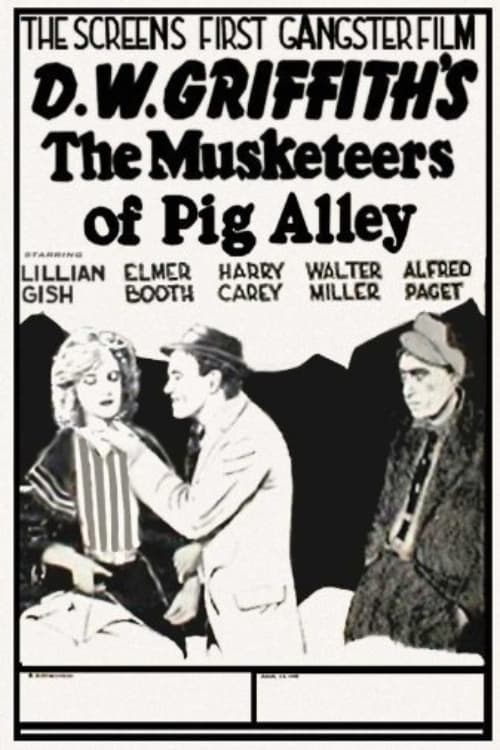
1912
No reviews yet. Be the first to share your thoughts on this movie!
Use the rating form above to leave a star rating and optional review.