
Aretino's Stories of the Three Lustful Daughters
1972
No user ratings available yet
Representation score: 4.5 out of 10
Representation Score
Limited
1972
Director
Giuseppe Vari
Runtime
100 minutes
Average Rating
No ratings yetNew Showbiz Analysis
Love, Passion and Pleasure is a period comedy that relies on traditional clichés of sexual conquest and domestic deception. While it lacks broad representation of LGBTQ+ or racial diversity, it offers a critique of gendered power structures and religious hypocrisy through its chaotic plot. Ultimately, the film serves as a deconstruction of societal norms rather than a progressive exploration of identity.
Category Breakdown
The film centers on heterosexual relationships and reproductive conflicts. There is no evidence of LGBTQ+ subtext or non-binary identities within the story.
Female characters such as Dinda, Tessa, and Lucrezia play key roles in driving the plot forward. The film challenges traditional gender hierarchies by showing a monastic superior losing her institutional authority.
The cast appears uniform, sticking to a traditional European historical setting. There is no indication of diverse racial representation.
The story questions religious sanctity by portraying a monastic superior in a carnal, secular light. It emphasizes personal desires over rigid Christian morals.
There is no evidence of characters with physical or neurodevelopmental disabilities.
Present on Screen
Limited or Absent
Official Synopsis
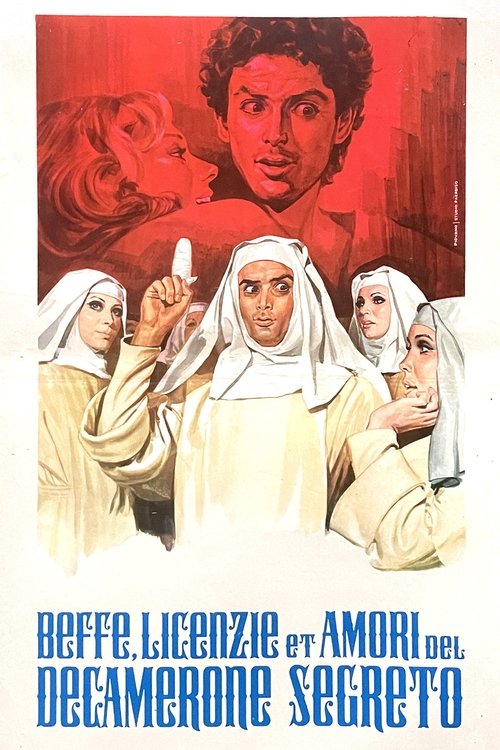
Cecco Angiolieri has joined, as storytellers and acrobats, the traveling company of Camillo. The stupidity of this man is so great that Cecco, inventing contagious childhood diseases, replacing it with his wife Dinda until the woman becomes pregnant. Meanwhile, the company has come in a city ruled by poetastro ser Gianni: Cecco, using his poetic vocation, getting license show for his teammates and conquers the woman, Tessa. Another victim of his jokes is fierce mother Lucrezia, new superior of the local monastery: Cecco, after forcing her to strip naked in the brothel of Filippa, precedes the convent pretending to it. Later, he clarified the misunderstanding, it becomes the lover and requires it to give shelter to Dinda, until Camillo is not ready to accept happily the unborn child as his.
1972
1973
1973
1972
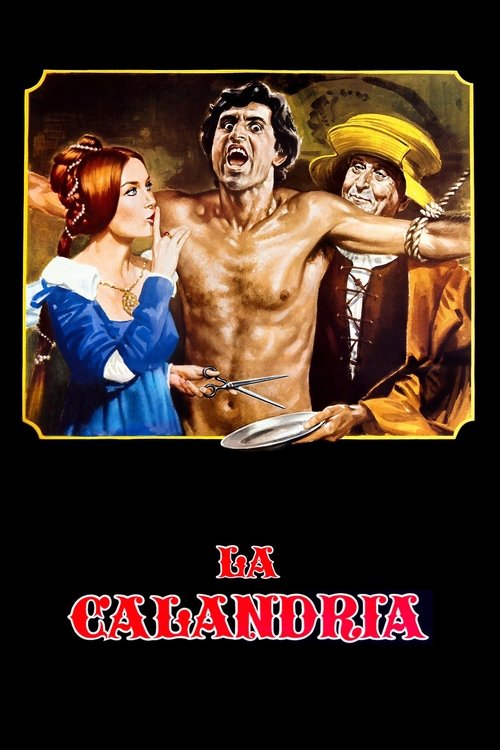
1972
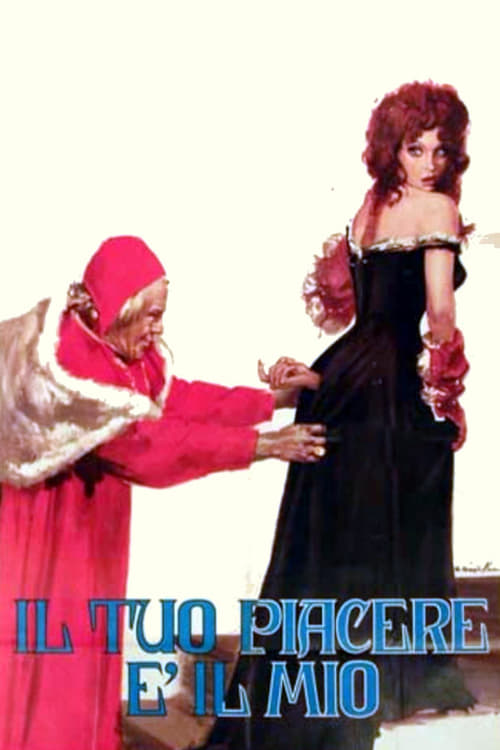
1973
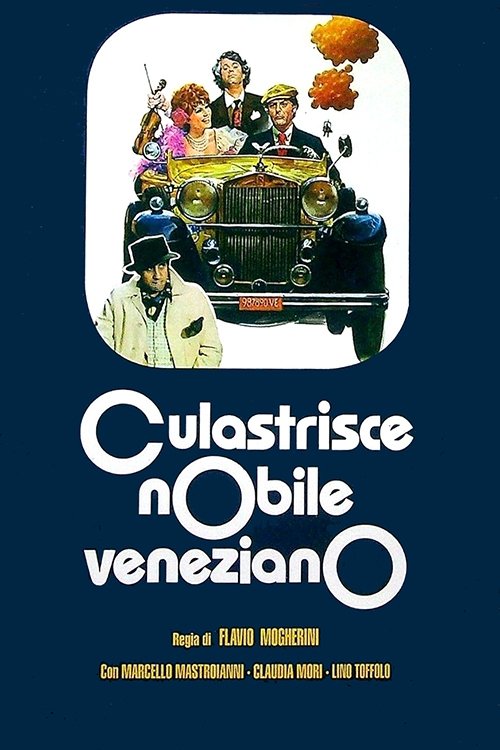
1976
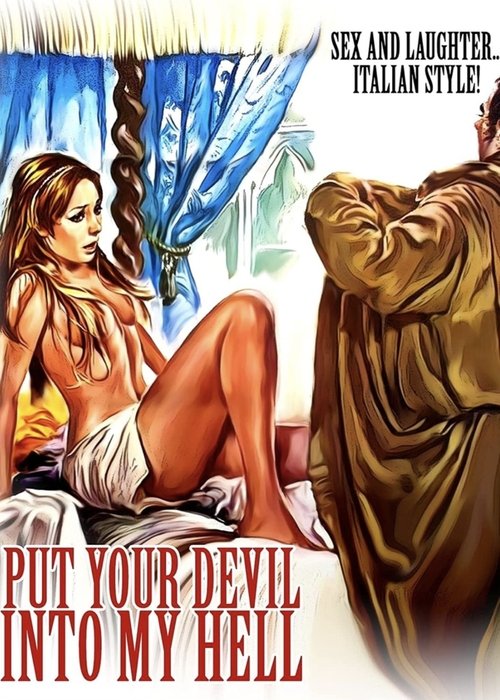
1973
No reviews yet. Be the first to share your thoughts on this movie!
Use the rating form above to leave a star rating and optional review.