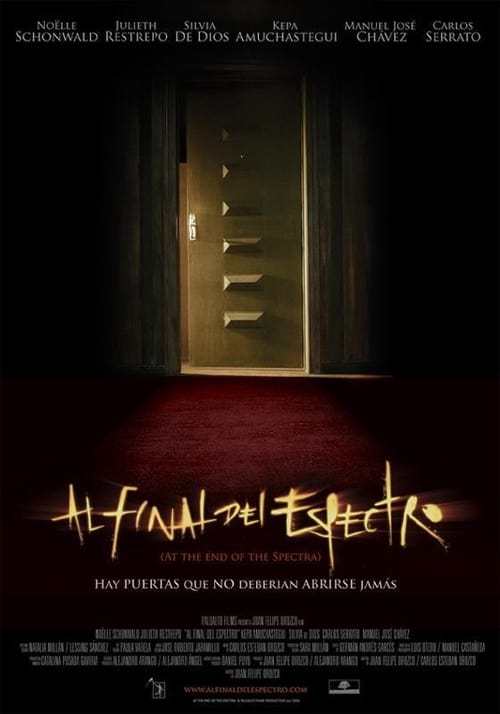
At the End of the Spectra
2006
No user ratings available yet
Diversity score: 5.5 out of 10
1971
Director
Eloy de la Iglesia
Runtime
92 minutes
Average Rating
No ratings yetSynopsis
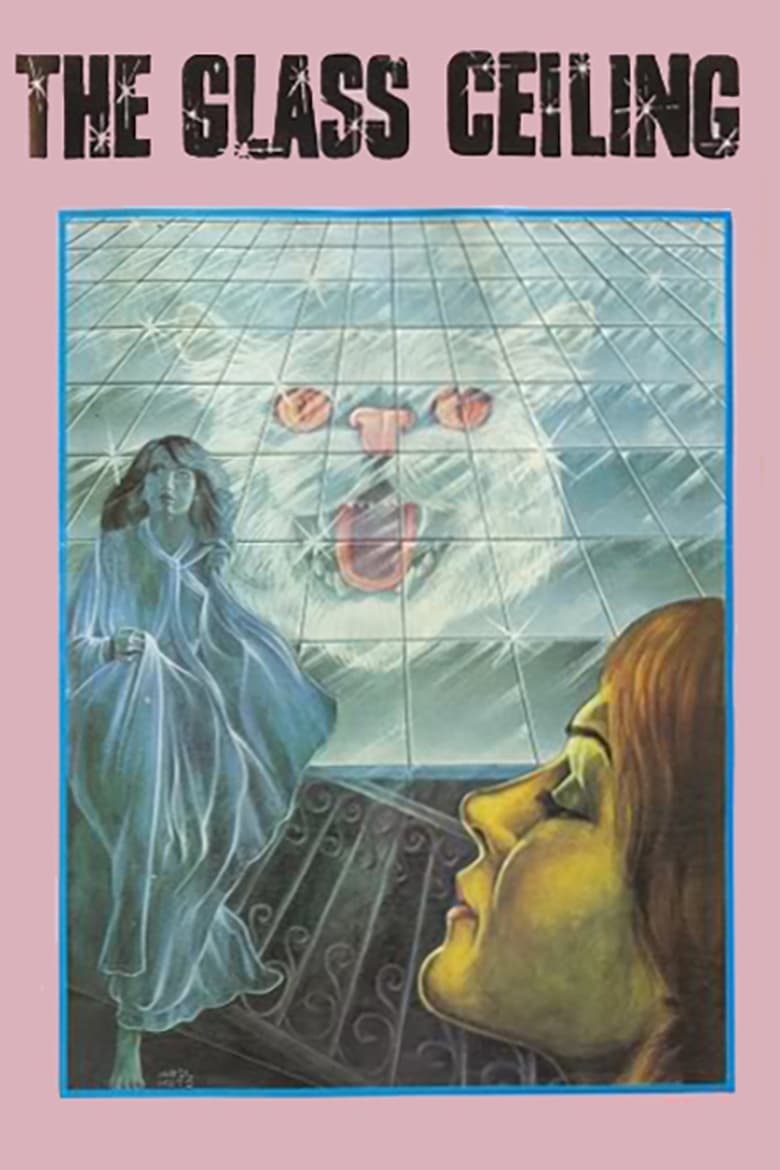
A housewife is frequently left alone by her husband in their apartment, as his business requires him to travel. The woman who lives upstairs is also minus her husband, but Sevilla begins to catch occasional lies and half-truths from her upstairs neighbor, which leads Sevilla to think that Shepard has murdered her husband. Sevilla can't quite keep her mouth shut about the matter, however, and despite the fact that her friends think her imagination is running wild, she does not really begin to suspect the danger until it is too late
Overall Score
Good
Category Breakdown
LGBTQ+ Representation
The film acts as a foundational text for Spanish queer cinema. It actively challenges heteronormative mandates by depicting same-sex intimacy and non-heteronormative identities as central to its critique of social structures.
Gender Representation
By centering on psychological struggles within a patriarchal landscape, the film subverts traditional gender hierarchies. It challenges the domestic housewife archetype by exposing the instability and violence within marital structures.
Racial & Ethnic Diversity
The narrative reflects the demographic realities of the 1970s Spanish underground. While lacking a multi-ethnic cast, it diversifies social roles by elevating marginalized, counter-cultural identities to the center.
Religious & Cultural Diversity
The film critiques the Catholic Church and the Spanish state as instruments of repression. It prioritizes individual autonomy and sexual liberation over the moral dogma enforced by these institutions.
Disability Representation
The story emphasizes the mental toll of social repression rather than specific physical disabilities. It lacks agency-driven portrayals of characters with disabilities by modern intersectional standards.
Strengths
Areas for Improvement
AI Analysis
The Glass Ceiling is a transgressive work that uses the horror genre to dismantle the socio-political constraints of the Francoist era. It succeeds by framing the deconstruction of family and religion as acts of liberation. The film's strength lies in its sophisticated subversion of state-mandated morality. It elevates marginalized identities to challenge the homogeneous ideals of the time, making it a vital piece of queer cinematic history. However, the film remains limited by its narrow demographic focus and its emphasis on psychological states over specific, agency-driven disability representation.
2006
2009
2015
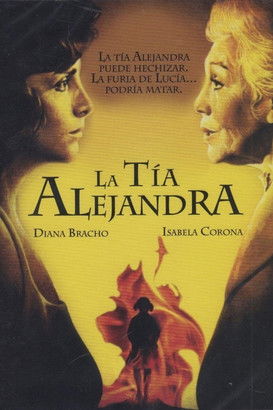
1980
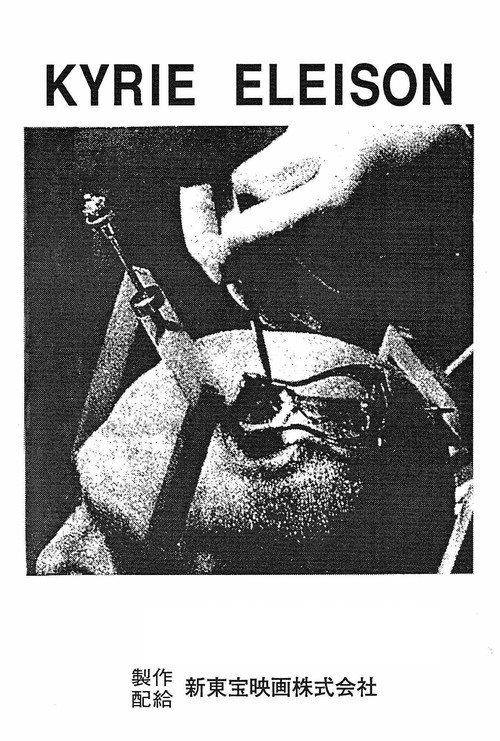
1993
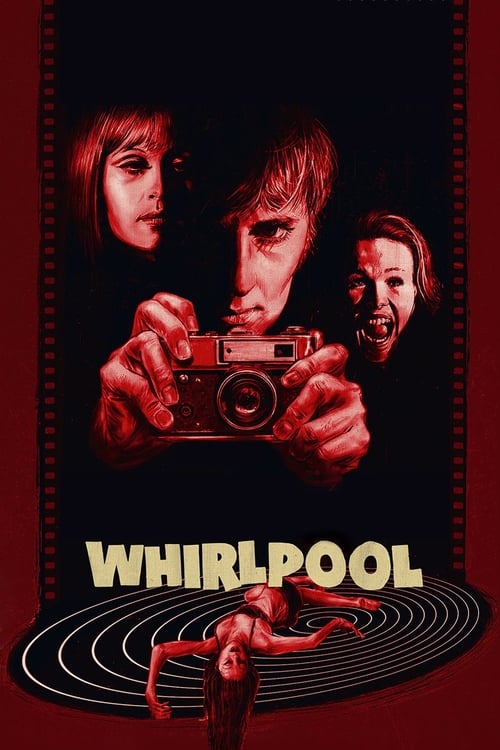
1970
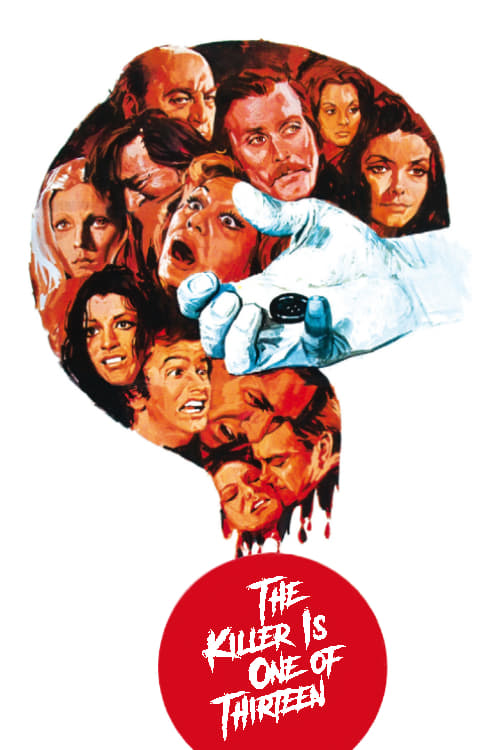
1973
2015
1965
No reviews yet. Be the first to share your thoughts on this movie!
Use the rating form above to leave a star rating and optional review.