
Whirlpool
1970
No user ratings available yet
Representation score: 4.7 out of 10
Representation Score
Excellent
1980
Director
Arturo Ripstein
Runtime
98 minutes
Average Rating
No ratings yetNew Showbiz Analysis
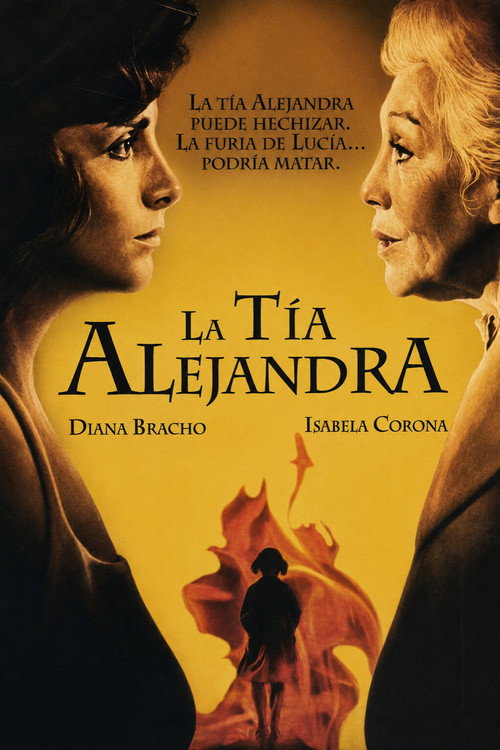
Arturo Ripstein’s *Aunt Alejandra* is a sophisticated deconstruction of the domestic sphere. By centering the narrative on a destabilizing female figure, the film successfully challenges traditional patriarchal authority and family structures. It offers a meaningful cultural alternative to Western-centric horror by grounding its mystery in Mexican social textures. However, the film's representation of specific identities remains somewhat ambiguous. While it excels at dismantling social norms, it lacks explicit markers for LGBTQ+ identities or clearly defined depictions of physical disability. The focus remains heavily on psychological and systemic disruption rather than overt identity politics. Ultimately, the film succeeds as a critique of the nuclear family. It uses the horror genre to expose the corruption and entrapment hidden within traditional domesticity.
Category Breakdown
The film focuses on the breakdown of traditional family structures, challenging the assumption that everyone is straight or cisgender. It highlights non-traditional domestic arrangements without explicitly depicting same-sex relationships.
Aunt Alejandra plays a significant role in driving the story, challenging traditional gender roles. She undermines masculine authority, showing that traditional power structures can be ineffective against psychological turmoil.
As a work of Mexican cinema, the film centers on non-Anglo-Saxon perspectives, offering a localized lens on horror that avoids the homogeneous casting norms of Hollywood.
The story critiques the sanctity of the family, presenting domestic stability as a facade for dysfunction. It prioritizes a grim, subjective morality over traditional Western values.
The film explores psychological distress and mental instability as central narrative drivers. It avoids simplistic clichés, instead integrating human frailty into its broader exploration of decay.
Present on Screen
Limited or Absent
Official Synopsis
The arrival of Aunt Alejandra triggers a series of nightmarish events that will put the life of a family at mysterious risk.
1970
2013
1969
1976
1979
2014
2010

1972
No reviews yet. Be the first to share your thoughts on this movie!
Use the rating form above to leave a star rating and optional review.