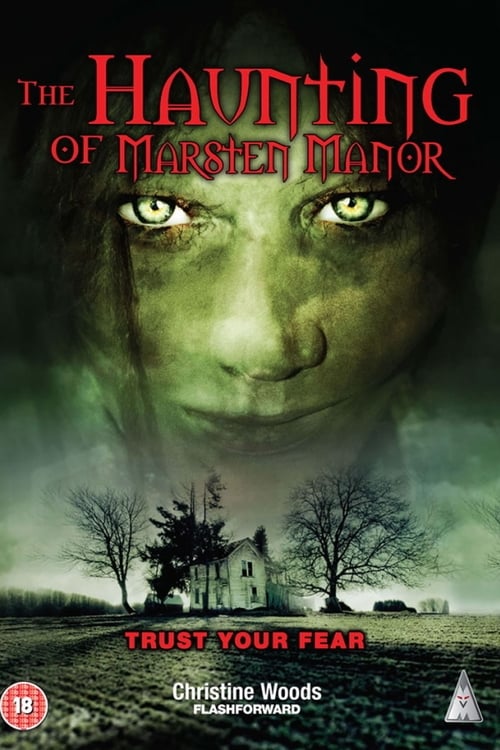
The Haunting of Marsten Manor
2007
No user ratings available yet
Representation score: 4.8 out of 10
Representation Score
Good
2006
Director
Juan Felipe Orozco
Runtime
92 minutes
Average Rating
No ratings yetNew Showbiz Analysis
At the End of the Spectra offers a specialized exploration of psychological vulnerability. It successfully centers a female perspective and explores neurodivergence through the lens of agoraphobia, moving away from conventional horror clichés. However, the film lacks explicit representation of LGBTQ+ identities and does not provide verified data on multi-layered racial casting. While the non-Western production context is a strength, the narrative remains focused on individual psychological interiority rather than broader social representation. Ultimately, the film provides a meaningful deconstruction of domestic safety and mental health, even if it does not engage in explicit multi-layered activism.
Category Breakdown
The film does not provide clear information about the sexual orientation or gender identity of its characters. Instead, it focuses on psychological trauma and environmental mysteries.
The story centers around a female protagonist dealing with a severe psychological crisis. The film avoids traditional masculine-driven horror clichés by focusing on the protagonist's internal experiences.
The production context suggests a localized, likely Latin American or Spanish-language origin. This disrupts Anglo-centric dominance, although specific details about diverse casting are not confirmed.
The film questions the traditional sanctity of the home and nuclear family. It explores isolation and the breakdown of domestic stability through the protagonist's isolated lifestyle.
The portrayal of agoraphobia highlights the experience of an invisible mental health condition. The focus on sensory experiences delves into a non-normative cognitive reality.
Present on Screen
Limited or Absent
Official Synopsis
After a traumatic situation that makes Vega become an agoraphobic person, she decides to live like a hermit in an apartment because of her father's recommendation. But some strange things start happening, she sees visions, and hears noises and voices. She starts to worry about the dark past of that apartment, and the bizarre obsession of her neighbor.
2007

2014

2008
2005
2015

1961
2009
2011
No reviews yet. Be the first to share your thoughts on this movie!
Use the rating form above to leave a star rating and optional review.