Maleficarum
2011
No user ratings available yet
Representation score: 4.1 out of 10
Representation Score
Minimal
2000
Director
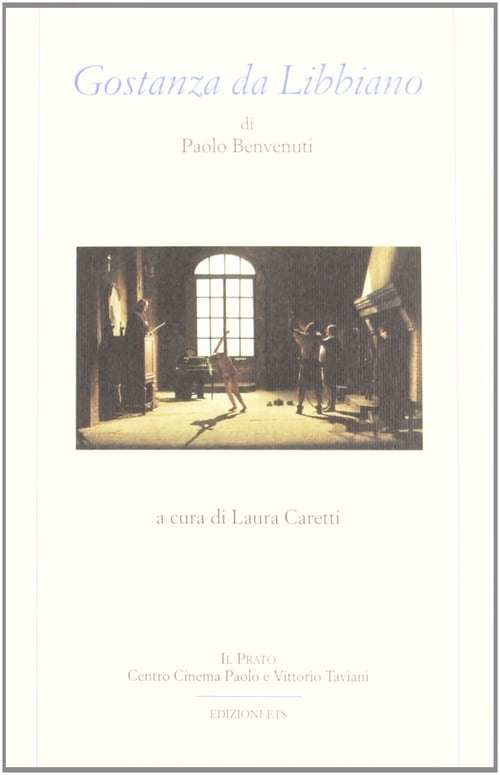
Paolo Benvenuti
Runtime
93 minutes
Average Rating
No ratings yetNew Showbiz Analysis
Gostanza da Libbiano is a work of historical realism that emphasizes social critique and atmospheric tension over broad demographic representation. The film centers on the conflict between an unconventional individual and the rigid structures of a 16th-century Tuscan village. Though the film lacks diverse representation in terms of race and sexual orientation, its strength lies in its thematic structure. It dismantles the notion of rural harmony, presenting the community as a force of conformity rather than stability. Ultimately, the film's value is found in its critique of systemic pressures and social hierarchies, rather than identity-based representation.
Category Breakdown
The film does not depict any non-straight or non-cisgender identities or same-sex relationships. Characters follow the traditional social and gender roles of the time period.
The story explores traditional gender roles in a rural setting. Although it does not focus specifically on female empowerment, the main character's defiance of community norms challenges typical masculine stereotypes.
The film stays true to historical accuracy by using a cast that reflects the homogeneous European population of the setting. There is no indication of intentional racial diversity.
The movie provides a nuanced look at communal institutions. By focusing on an outsider, the story questions the idea of traditional village life being inherently harmonious.
There is no indication that disability is used as a narrative element. No characters with visible or invisible disabilities are present in the film.
Present on Screen
Limited or Absent
Official Synopsis
The trial of a woman in San Miniato accused of witchcraft in 1594.
2011
1943
1953

2020

2015

1971

1985

1996
No reviews yet. Be the first to share your thoughts on this movie!
Use the rating form above to leave a star rating and optional review.