Dante's Inferno
1935
No user ratings available yet
Representation score: 0.4 out of 10
Representation Score
Minimal
1953
Director
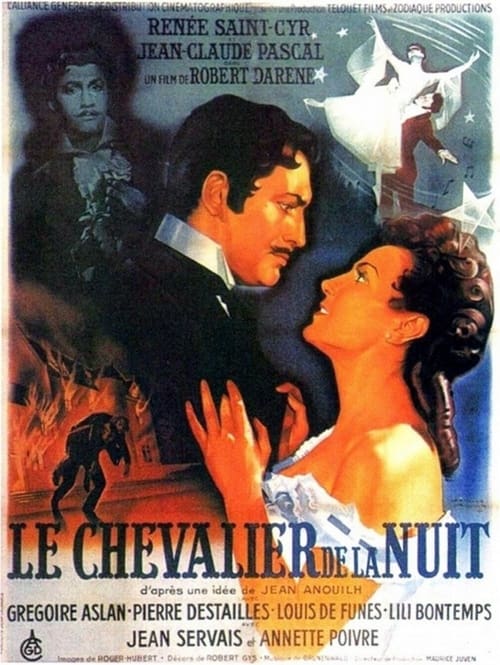
Robert Darène
Runtime
88 minutes
Average Rating
No ratings yetNew Showbiz Analysis
The film operates as a traditional period drama rooted in classical European dramatic structures. It focuses on a domestic struggle within a traditional marriage, adhering to the social norms of its era. While the female protagonist provides the emotional anchor, the structural tension is driven by male moral decisions. The setting and themes reflect a homogeneous, Western-centric worldview common to 1950s cinema. Ultimately, the work lacks intentionality regarding diverse perspectives or the disruption of historical hierarchies, functioning instead as a metaphysical study of morality.
Category Breakdown
The story centers on a marriage between Bella and Georges, which follows traditional heterosexual norms. There is no indication of queer identities or non-cisgender subtext in the narrative.
Bella serves as the emotional protagonist, yet the central conflict revolves around the moral decisions of her husband. This reflects traditional mid-century dramatic structures.
Set in 1884 Paris, the film depicts a homogeneous European social landscape. It lacks diversity in its cast and settings.
The film utilizes a classic Western moral dichotomy of Good versus Evil. It engages with established social hierarchies and classical European aesthetics.
The narrative provides no information regarding characters with disabilities, neurodivergence, or chronic illnesses.
Present on Screen
Limited or Absent
Official Synopsis
Paris, 1884. Bella Fontanges, a renowned ballerina, is married to Georges de Segar. But after just a few years together, the couple slowly sinks into weariness. Bella has forgotten what happiness used to taste like. Then a mysterious squire appears. Aware of the couple's faltering situation, he makes Bella and Georges a most astonishing proposal: he claims to be able to separate Good from Evil in Georges. Reluctant at first, the couple eventually agrees to play along. But it's not long before they realize that in Georges, it's Evil that has prevailed.
1935

1975
2000
1963
1954
1923
1972

1964
No reviews yet. Be the first to share your thoughts on this movie!
Use the rating form above to leave a star rating and optional review.