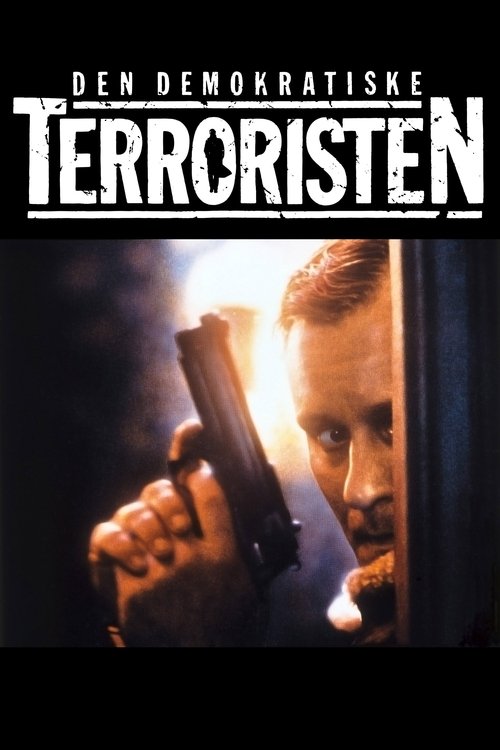
The Democratic Terrorist
1992
No user ratings available yet
Representation score: 4.2 out of 10
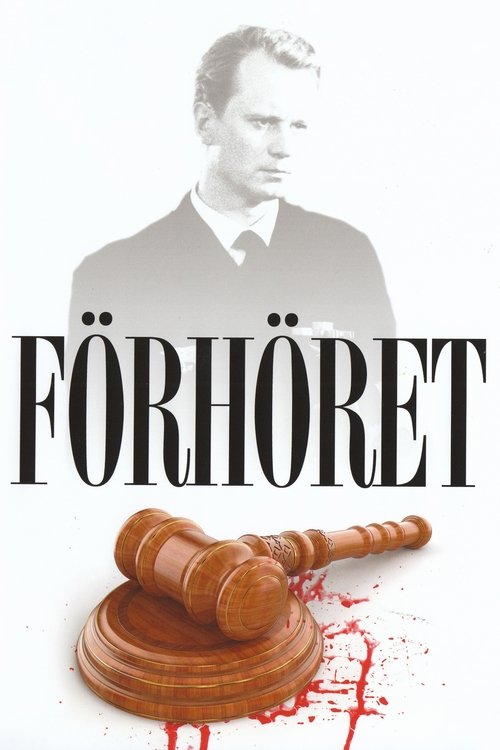
Representation Score
Limited
1989
Director
Per Berglund
Runtime
60 minutes
Average Rating
No ratings yetNew Showbiz Analysis
The film operates as a period-specific political drama focused on the complexities of statecraft and espionage. Its narrative structure prioritizes geopolitical realism and institutional scrutiny over social deconstruction or multi-layered representation. While the setting allows for a critique of state power, the casting and character archetypes align with the traditional, homogeneous expectations of late-1980s European political cinema. The focus remains on the tension between a high-level operative and governing bodies.
Category Breakdown
The film does not include explicit LGBTQ+ characters or representations of non-straight relationships. The plot focuses on geopolitical tensions and state intelligence, which tend to prioritize straight relationships.
The story centers on Carl Hamilton, a character fitting the masculine spy archetype. Female officials may hold institutional authority during hearings, but their roles may still follow conventional leadership clichés.
Set during the Cold War, the story focuses on Nordic and Slavic political figures. This historical context suggests a homogeneous casting profile with little evidence of ethnic blending.
The film offers moderate complexity by critiquing state transparency and institutional power. It explores moral relativism by examining the friction between individual autonomy and government authority.
There is no information available regarding the inclusion of characters with visible or invisible disabilities.
Present on Screen
Limited or Absent
Official Synopsis
Carl Hamilton (Coq Rouge, Swedens James Bond) is called before KU (Swedens answer to the American congressional hearing) to answer questions about a spy war between Sweden and the Soviet Union.
1992
1969
2009

1977
2002

2012

1995

1965
No reviews yet. Be the first to share your thoughts on this movie!
Use the rating form above to leave a star rating and optional review.