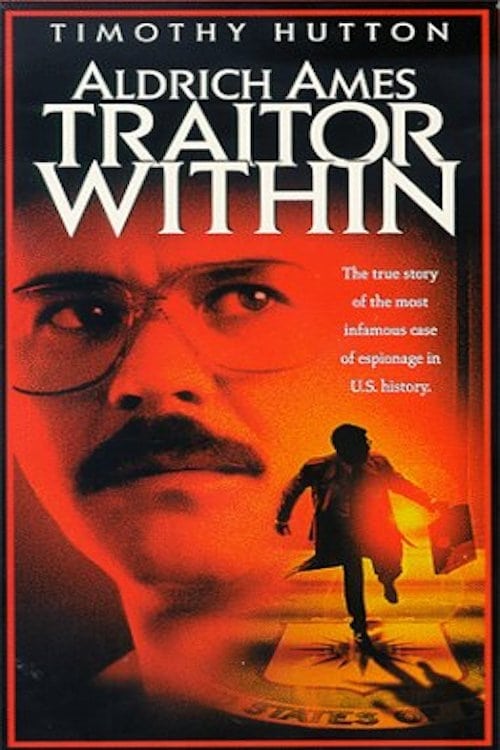
Aldrich Ames: Traitor Within
1998
No user ratings available yet
Representation score: 0.4 out of 10
Representation Score
Minimal
2002
RDirector
Lawrence Schiller
Runtime
200 minutes
Average Rating
No ratings yetNew Showbiz Analysis
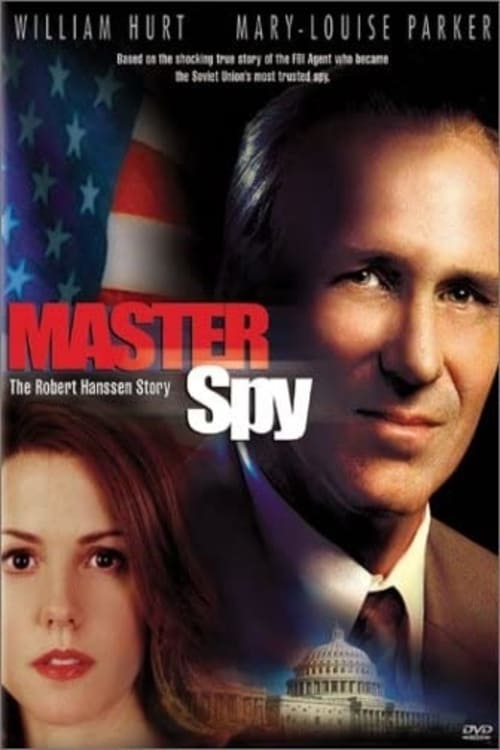
Master Spy: The Robert Hanssen Story is a conventional biographical drama that adheres to traditional demographic structures. It focuses on the study of institutional betrayal within a Western framework. The film does not intentionally include diverse perspectives or challenge social hierarchies. It remains firmly rooted in established social and geopolitical perspectives. Ultimately, the film lacks multi-layered breadth and diverse viewpoints, sticking closely to historical and cultural norms.
Category Breakdown
The film focuses on a heterosexual relationship framework and does not include any non-cisgender identities or same-sex relationships.
The story revolves around a male protagonist within a patriarchal structure. Female characters mainly serve to highlight the male lead's dual life rather than driving the plot themselves.
The cast is predominantly white, reflecting the historical makeup of the FBI. There is no attempt to include diverse perspectives or actors from different racial backgrounds.
The story emphasizes Western geopolitical views, presenting Soviet intelligence as a threat. It critiques individual betrayal rather than institutional issues.
There are no representations of visible or invisible disabilities or neurodivergence. The focus is solely on the psychological aspects of espionage.
Present on Screen
Limited or Absent
Official Synopsis
True story about the cat and mouse game between the FBI trying to find a Soviet mole in their ranks and Robert Hanssen, one of the top FBI agents and said mole
1998
1985
1995

2007

2012

2018
2004
2011
No reviews yet. Be the first to share your thoughts on this movie!
Use the rating form above to leave a star rating and optional review.