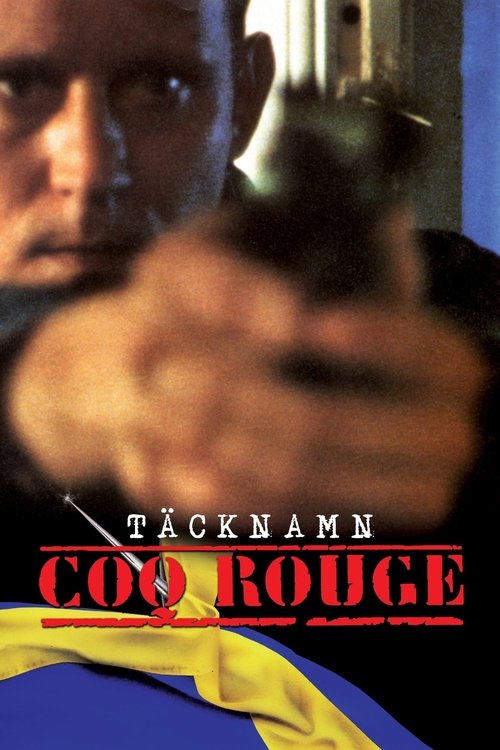
Code Name Coq Rouge
1989
No user ratings available yet
Representation score: 1.8 out of 10
Representation Score
Fair
1992
Not RatedDirector
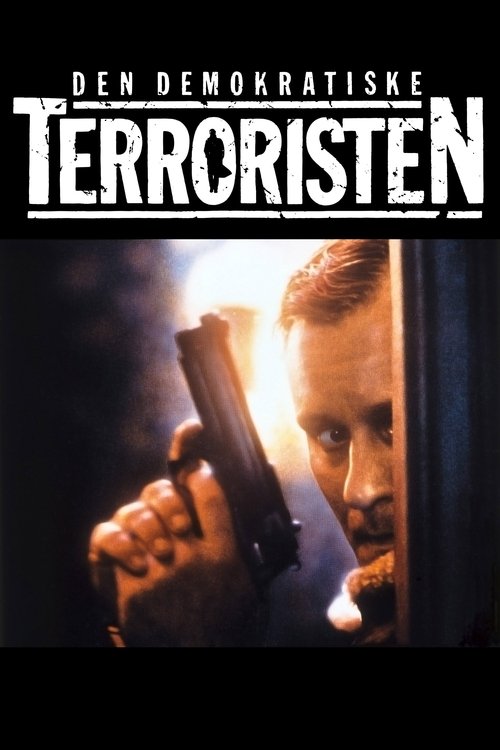
Per Berglund
Runtime
96 minutes
Average Rating
No ratings yetNew Showbiz Analysis
The Democratic Terrorist is a geopolitical thriller that emphasizes political tension over social identity. It follows a male-centric espionage plot involving the Red Army Faction and intelligence agencies. Although the film lacks diverse representation regarding gender, race, and LGBTQ+ identities, it offers a strong critique of institutional authority. It avoids simplistic patriotic clichés by presenting state institutions as conflicting with radical dissidents. Overall, the film highlights the era's focus on international power dynamics and masculine archetypes rather than diverse social representation.
Category Breakdown
The film does not include explicit LGBTQ+ characters or stories. It focuses on geopolitical conflicts typical of the 1990s, rather than exploring identity issues.
The story centers around Carl Hamilton, a male character who embodies traditional masculine spy roles. The narrative emphasizes male figures taking key roles.
The setting implies a mostly Eurocentric cast featuring actors from West Germany, Sweden, and East Germany. There is no indication of a non-white or non-Anglo-Saxon majority.
The film explores themes that challenge Western institutional stability. By focusing on the Red Army Faction, it disrupts patriotic narratives and criticizes state security systems.
There is no information about the portrayal of physical or neurodivergent disabilities in the film's storyline.
Present on Screen
Limited or Absent
Official Synopsis
The West German security police, Verfassungsschutz, need help to infiltrate a group connected to the Rote Arme Fraktion. The Swedish James Bond, Carl Hamilton, goes to Hamburg, pretending to be a Swedish officer, thrown out of the country after having been exposed as an East German spy. He gets in contact with the terrorists and joins them. Together they are planning to strike against the CIA headquarters in Stockholm.
1989

1977

2012
1966
1984
1973
1989

1987
No reviews yet. Be the first to share your thoughts on this movie!
Use the rating form above to leave a star rating and optional review.