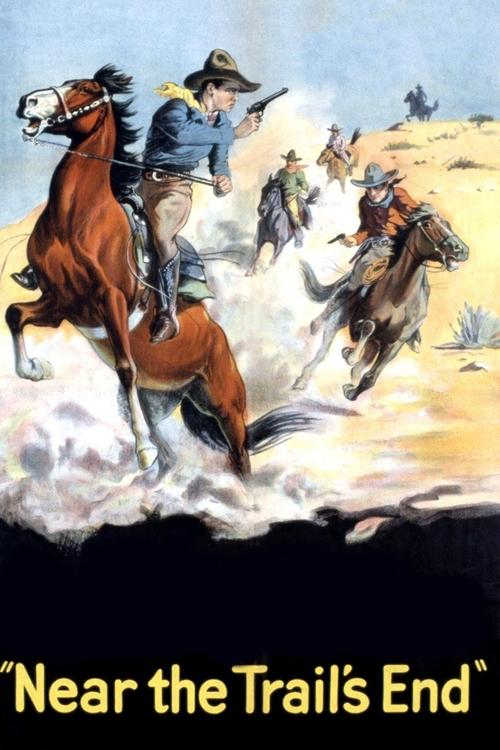
Near the Trail's End
1931
No user ratings available yet
Representation score: 0.6 out of 10
Representation Score
Minimal
1931
PassedDirector
Alfred L. Werker
Runtime
74 minutes
Average Rating
No ratings yetNew Showbiz Analysis
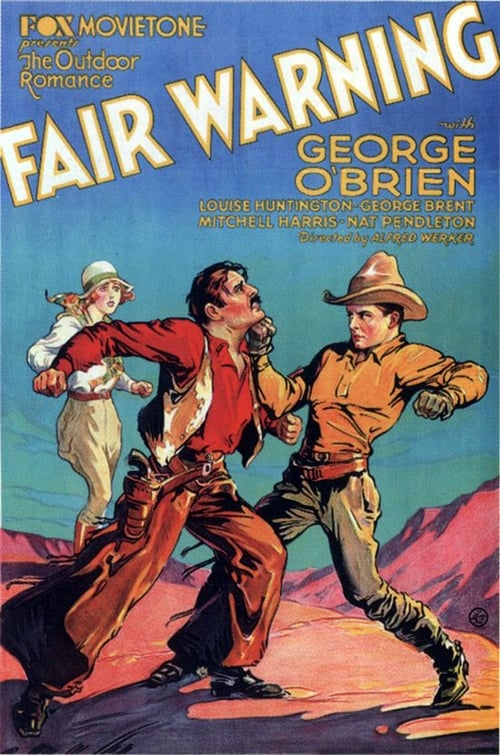
Fair Warning is a period-typical Western that adheres to the narrative structures of early 20th-century melodrama. It relies on conventional frameworks of heroism and romantic pursuit, lacking the complexity needed to challenge established social hierarchies. The film uses well-established archetypes, such as the masculine leader and the romantic heroine, to drive the plot. This approach reinforces the gender and social dynamics typical of 1930s cinema rather than introducing diverse perspectives. Ultimately, the production prioritizes clear moral binaries and traditional heroism. It focuses on a straightforward plot of physical conflict and romantic resolution, reinforcing the status quo.
Category Breakdown
The film does not include any characters with LGBTQ+ identities. The romantic storyline follows a traditional binary structure between the male protagonist and the female lead.
The narrative emphasizes traditional gender roles. While Kate Cumberland is a central romantic figure, her role is closely tied to the male protagonist's journey, limiting her independence.
The film features a predominantly white cast typical of 1931 Westerns. There is no blending of races or subversion of racial hierarchies.
The story centers around traditional Western values. It highlights individual triumph and the restoration of order through a classic frontier hero.
There are no characters with visible or invisible disabilities in the film. Disability is not used as a narrative device.
Present on Screen
Limited or Absent
Official Synopsis
This George O'Brien western is based on a novel by Max Brand, previously filmed as the 1920 Tom Mix vehicle The Untamed. Cast as devil-may-car Whistlin' Dan Barry, our hero rides into a passel of trouble in a wide-open town. Warned to leave the premises or else, Whistlin' Dan refuses to do so, sticking around long enough to whomp villain Jim Silent (Mitchell Lewis) and romance heroine Kate Cumberland (Louise Huntington).
1931
1924
1928
1930
1932
1934
1927
1928
No reviews yet. Be the first to share your thoughts on this movie!
Use the rating form above to leave a star rating and optional review.