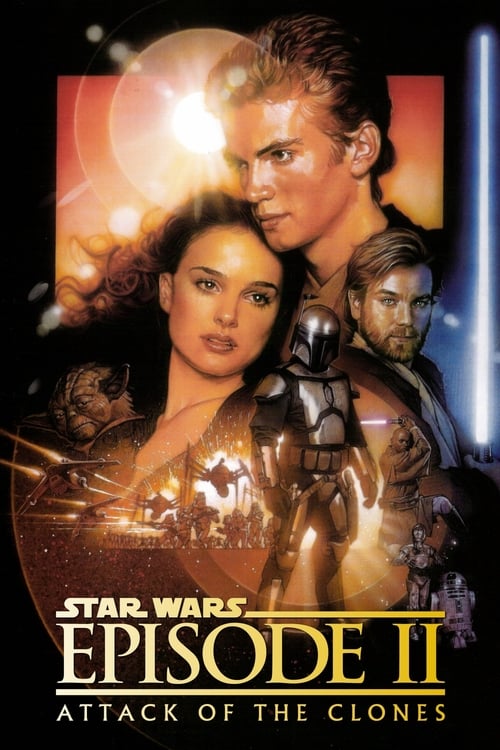
Star Wars: Episode II - Attack of the Clones
2002
No user ratings available yet
Representation score: 7.5 out of 10
Representation Score
Good
2005
PG-13Director
George Lucas
Runtime
140 minutes
Average Rating
No ratings yetNew Showbiz Analysis
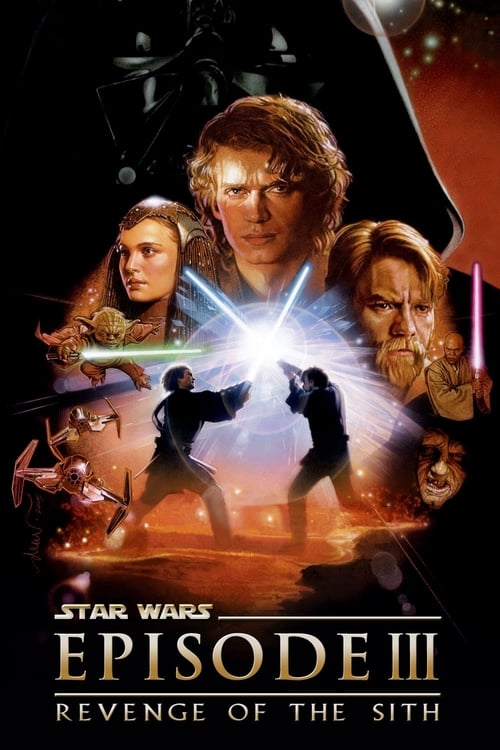
Revenge of the Sith employs its expansive science fiction setting to challenge the idea of uniformity. By showcasing a variety of non-human species, the film effectively dismantles the notion of a single cultural norm. The narrative excels in its critique of institutional power and the fragility of democracy. It goes beyond simple heroic stories to examine how established moral and political systems can fall prey to corruption. Despite the lack of explicit LGBTQ+ visibility and nuanced disability representation, the film successfully uses its mythic universe to explore complex social and systemic failures.
Category Breakdown
The story focuses on the heterosexual relationship between Anakin Skywalker and Padmé Amidala. There are no direct representations of LGBTQ+ identities or non-cisgender gender expressions.
Padmé Amidala stands out as a strong leader despite the predominantly male combat roles. She plays a key role in driving the political narrative as a senator.
The film features a wide range of non-human species, serving as a metaphor for ethnic diversity. Mace Windu's authoritative position highlights the importance of high-level representation.
The movie critiques the decline of democratic institutions and the rigid dogma of the Jedi Order. It portrays the Jedi as a failing system due to systemic corruption and decay.
The film explores themes of physical transformation and trauma through character changes. However, these elements are used primarily to advance the plot rather than to deeply explore disability experiences.
Present on Screen
Limited or Absent
Official Synopsis
When the sinister Sith unveil a thousand-year-old plot to rule the galaxy, the Republic crumbles and from its ashes rises the evil Galactic Empire. Jedi hero Anakin Skywalker must choose a side.
2002
2006
1999

2001
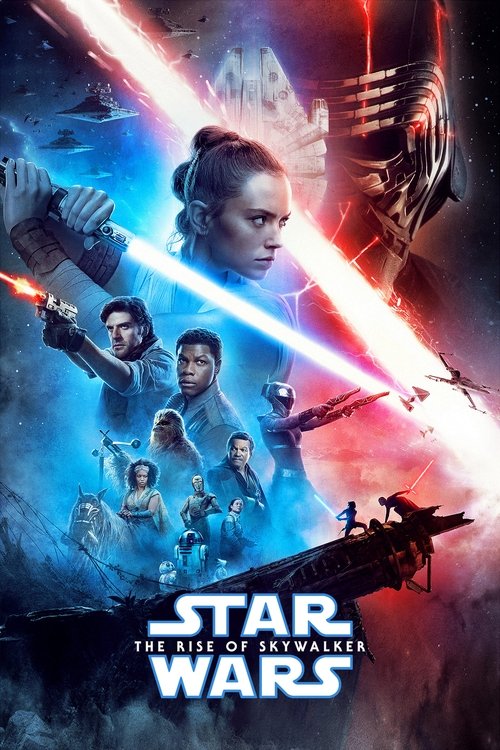
2019
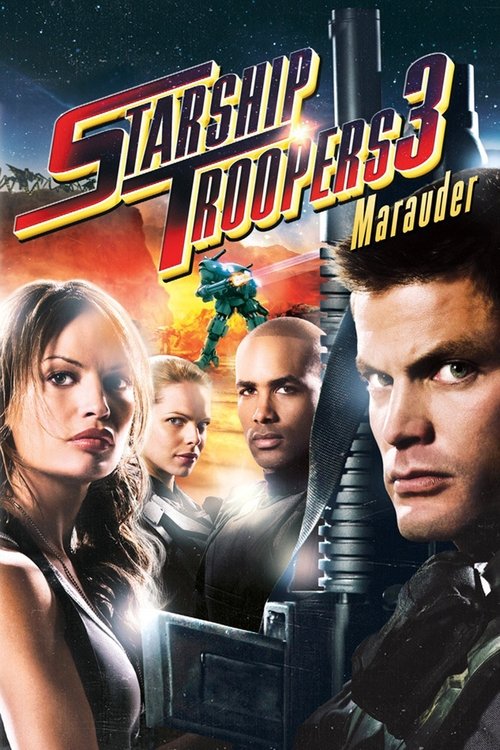
2008
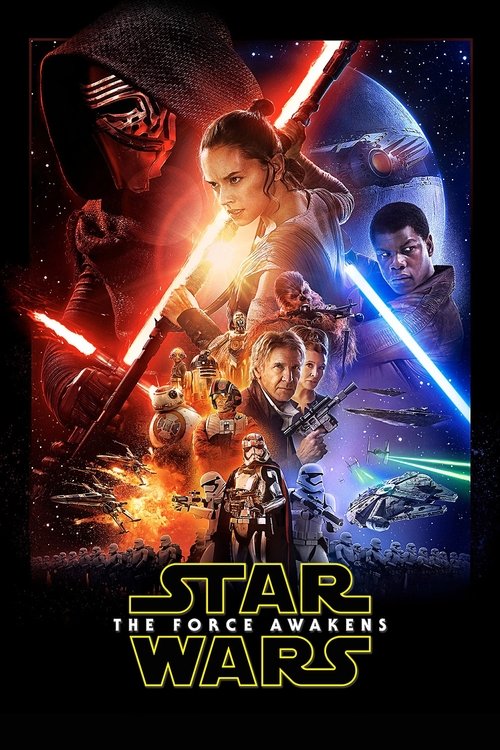
2015
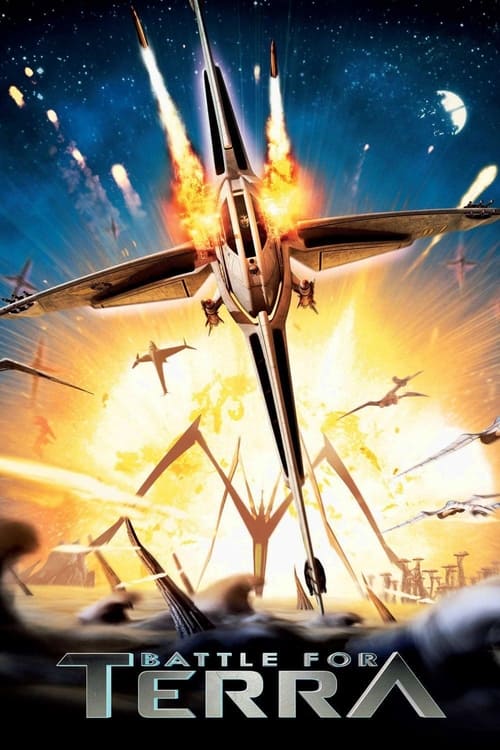
2007
No reviews yet. Be the first to share your thoughts on this movie!
Use the rating form above to leave a star rating and optional review.