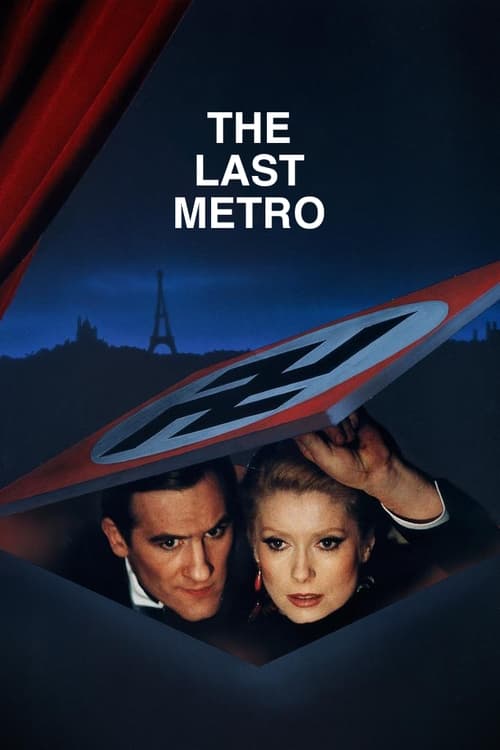
The Last Metro
1980
No user ratings available yet
Diversity score: 4.8 out of 10
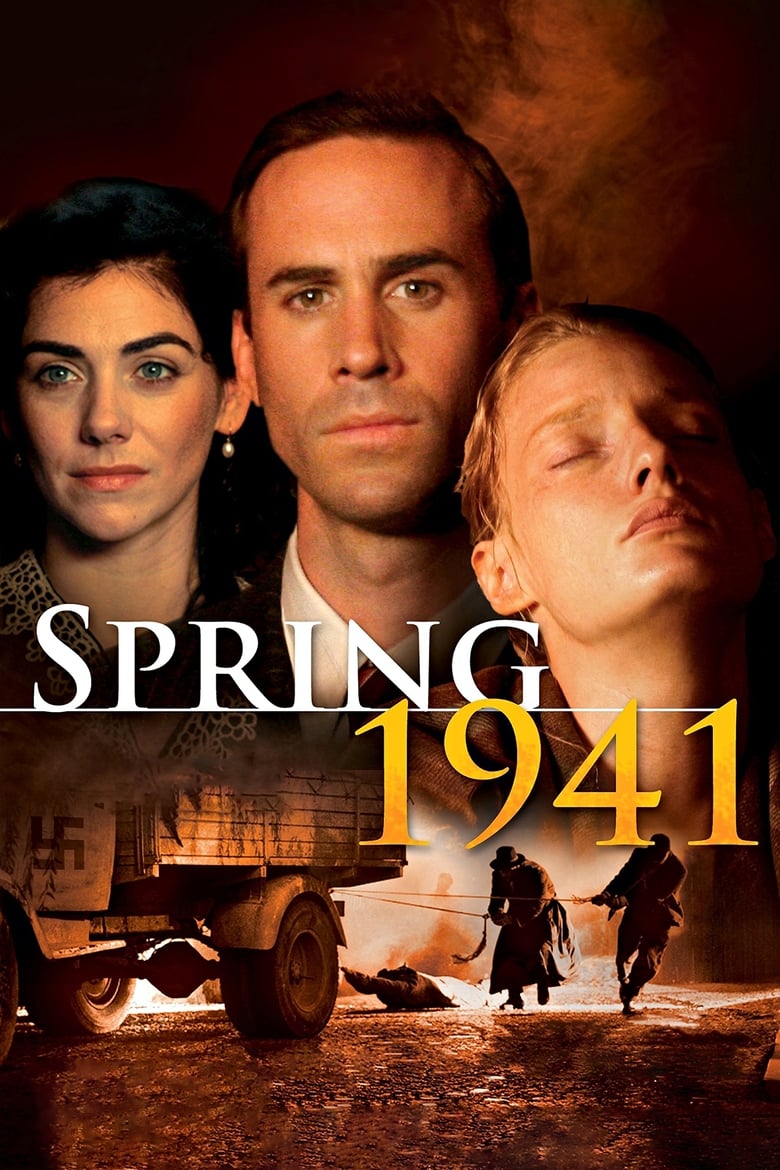
2007
NRDirector
Uri Barbash
Runtime
120 minutes
Average Rating
No ratings yetSynopsis
After Germany invades Poland and the Nazis order the confinement of all local Jews in the ghetto, medical doctor Artur Planck (Joseph Fiennes) manages to flee with his family, seeking refuge at the farm of Emilia (Kelly Harrison), their former grocer. With the Planck family hiding in her attic, Emilia finds her feelings for the physician growing stronger than she wants, or can control -- despite the dangers of the situation.
Overall Score
Fair
Category Breakdown
LGBTQ+ Representation
The film adheres to the heteronormative constraints of its 1941 setting. There is no discernible presence of queer subtext or non-cisnormative identities.
Gender Representation
The narrative operates within a traditional gender hierarchy. While Emilia possesses emotional agency, the central conflict is framed through a male-centric lens of survival.
Racial & Ethnic Diversity
The depiction of diversity is dictated by historical context. While the plot centers on Jewish persecution, the non-persecuted cast remains largely homogeneous.
Religious & Cultural Diversity
The film avoids triumphalist wartime tropes by focusing on moral ambiguity. It emphasizes the breakdown of traditional structures and the necessity of subjective morality.
Disability Representation
There are no prominent depictions of physical or neurodivergent disabilities that drive the narrative or serve as central character arcs.
Strengths
Areas for Improvement
AI Analysis
Spring 1941 is a period drama that utilizes the historical reality of the Holocaust to explore themes of survival and moral relativism. It prioritizes the complexities of situational ethics over a singular, institutional morality. The film's strength lies in its critique of systemic power rather than its demographic breadth. It deconstructs the heroic archetype by focusing on the friction between individual agency and institutional mandates. However, the work lacks modern intersectional casting and does not actively seek to subvert traditional gender hierarchies or provide queer representation.
1980

1942
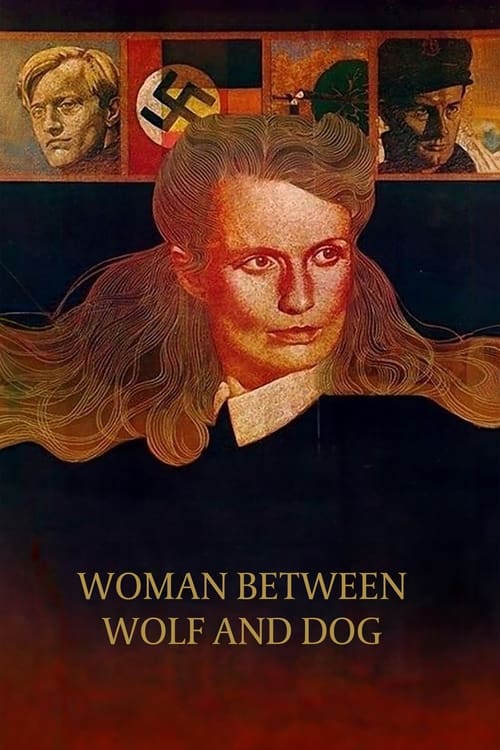
1979

1994

2008
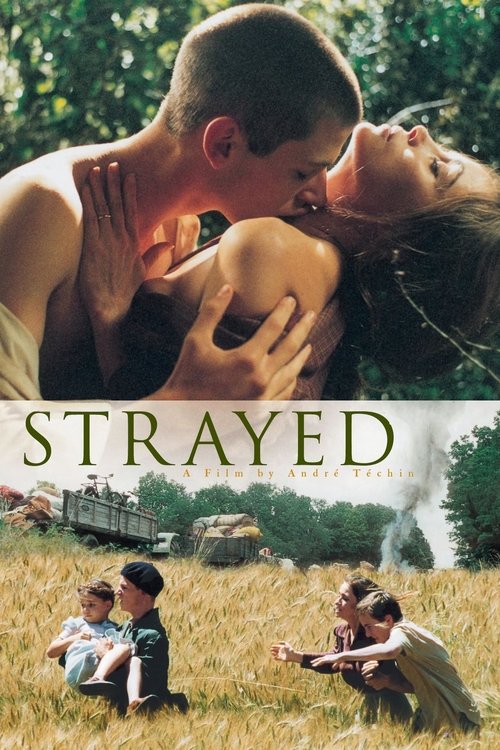
2003
No reviews yet. Be the first to share your thoughts on this movie!
Use the rating form above to leave a star rating and optional review.