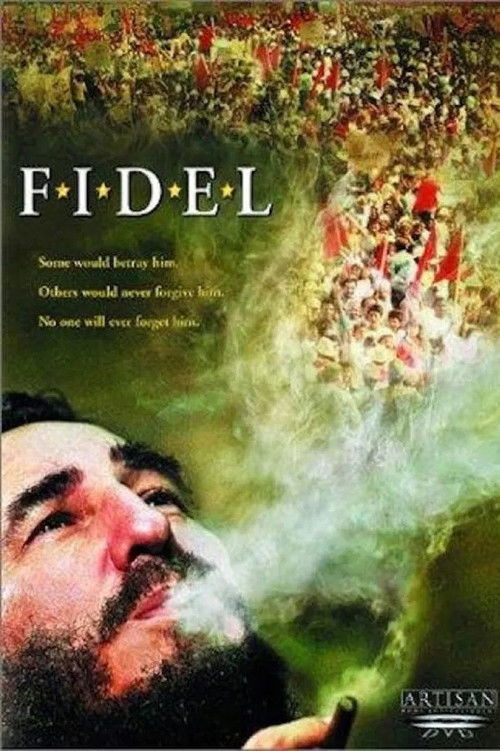
Fidel
2002
No user ratings available yet
Representation score: 4.1 out of 10
Representation Score
Limited
2000
PG-13Director
Joseph Sargent
Runtime
120 minutes
Average Rating
No ratings yetNew Showbiz Analysis
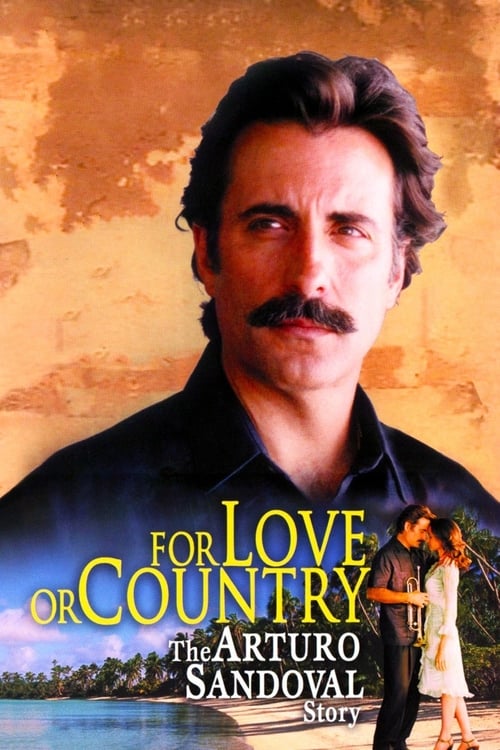
The film presents a striking contrast in its representation. It succeeds brilliantly in its portrayal of Afro-Cuban identity, offering a rich, non-Western perspective that grants a significant role in driving the story to Black musicians within the jazz genre. However, this strength is offset by a traditional approach to gender and social structures. The narrative adheres to conventions that assume everyone is straight or cisgender and focuses heavily on male professional struggles, offering little challenge to established gender hierarchies. Ultimately, while the film provides a vital cultural lens through its racial depiction, its reliance on conventional sociopolitical frameworks and traditional domestic roles moderates its overall diversity impact.
Category Breakdown
The film focuses on the romantic and ideological tension between Arturo and his wife. There are no LGBTQ narratives or non-cisgender identities present in the plot.
The story centers on the professional and political roles of the male protagonist. While Marianela is a significant character, her role is defined by her ideological alignment with the state.
The film excels by centering an Afro-Cuban virtuoso and disrupting Anglo-centric jazz clichés. Characters of color, including Dizzy Gillespie, are given high levels of ability to act and musical mastery.
The narrative critiques the Cuban communist government as a restrictive force. It frames the pursuit of Western-style artistic freedom as a necessity for survival against an oppressive state.
There are no prominent depictions of visible or invisible disabilities that serve as central narrative drivers in this biographical drama.
Present on Screen
Limited or Absent
Official Synopsis
In the early 1970s, Cuban trumpeter Arturo Sandoval (Andy Garcia) is torn between his own musical dreams and the dreams of his wife, Marianela (Mía Maestro), a fervent supporter of the ideals of the Castro revolution. Also starring Charles S. Dutton as Dizzy Gillespie and José Zúñiga as Paquito D'Rivera, this gripping jazz biopic is at once a detailed portrait of a musician and a stinging critique
2002
1986
1988
2016
2006
2015
2016
2018
No reviews yet. Be the first to share your thoughts on this movie!
Use the rating form above to leave a star rating and optional review.