The Road to Freedom
2011
No user ratings available yet
Representation score: 2.9 out of 10
Representation Score
Minimal
1998
Director
Nikos Koundouros
Runtime
110 minutes
Average Rating
No ratings yetNew Showbiz Analysis
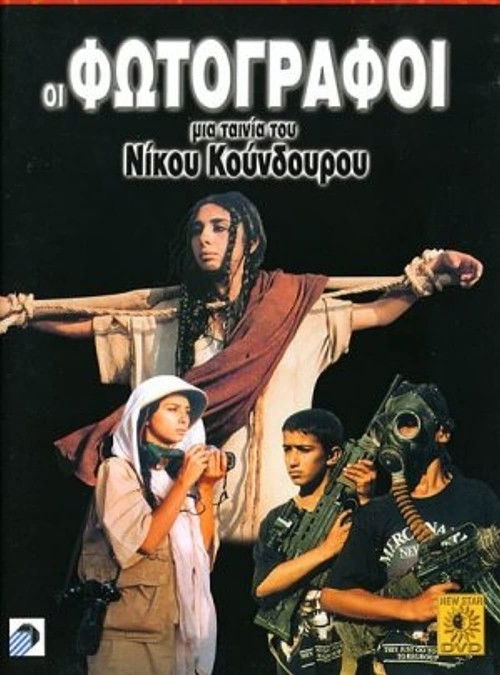
The Photographers is a male-driven war drama. Photographers and soldiers dominate the action, while the single named woman lacks described narrative power. The setting implies ethnic conflict, yet the film does not explore specific racial or minority viewpoints. Culturally, the film is strong. It critiques media sensationalism and uses a Greek tragedy framework to examine modern violence. This gives it a clear moral stance against exploitation and aggression. Still, the absence of LGBTQ+ and disability representation, plus the vague treatment of race and gender, keeps the overall score low. The film’s themes are progressive, but its on-screen diversity is limited.
Category Breakdown
No queer characters or same-sex relationships appear in the film. The story centers on war correspondents and a mercenary leader without mentioning LGBTQ+ identities or relationships.
The lead mercenary and most named roles are male. One woman, Sahar Bloomendahl, appears in the top cast, but the synopsis does not describe her actions or influence on the plot.
The setting is a nonaligned country in civil war, implying ethnic conflict. The cast includes names suggesting mixed backgrounds, but the synopsis does not detail specific racial dynamics or minority perspectives.
The film critiques media coverage of war and follows a mercenary who harms innocents. It frames Western-style media and military power as destructive forces within a modern retelling of Antigone.
No characters with physical or mental disabilities are mentioned in the available plot summary or cast information. The narrative does not address disability in any visible way.
Present on Screen
Limited or Absent
Official Synopsis
In a nonaligned country, where a civil conflict is raging, a team of photographers follows a mercenary war lord, whose men wreak havoc among enemies and innocents alike. The story is a modern version of the tragedy Antigone, in a time when TV and the other media present unrelieved visions of war and bloody mayhem.
2011
1983
1958
1997
1990
2018
2019

2009
No reviews yet. Be the first to share your thoughts on this movie!
Use the rating form above to leave a star rating and optional review.