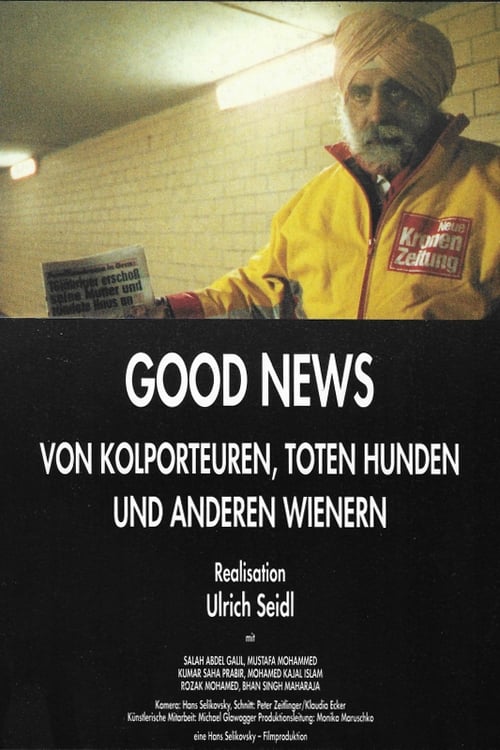
Good News: Newspaper Salesmen, Dead Dogs and Other People from Vienna
1990
No user ratings available yet
Representation score: 7.2 out of 10

Representation Score
Fair
2011
Director
Paweł Kloc
Runtime
103 minutes
Average Rating
No ratings yetNew Showbiz Analysis
Phnom Penh Lullaby offers a realistic look at multi-layered vulnerability. It avoids romanticizing its subjects, providing a gritty examination of survival in the global periphery. The film's main strength lies in its cultural immersion. By focusing on a Cambodian woman and her foreign partner, it moves away from Anglo-centric storytelling traditions. However, the film maintains traditional structures. The economic power dynamic remains centered on a male provider, and there is no visible representation of diverse identities.
Category Breakdown
The film does not include any explicit LGBTQ+ characters or narratives. The main relationship focuses on co-parenting between Shickman and Saran.
Saran is shown struggling with substance use and motherhood. However, the economic structure remains traditional, with Shickman serving as the sole provider.
The story centers on a Cambodian context, breaking away from Western-centric views by highlighting the experiences of local subjects within their own environment.
The film examines systemic hardship and the fragility of social support systems. It depicts the complexities of ethical dilemmas and survival within a predatory local black market.
There is no documented evidence of physical or neurodivergent disabilities being portrayed in this work.
Present on Screen
Limited or Absent
Official Synopsis
Shickman, the film’s central subject, has been living in Phnom Penh, Cambodia for 8 years along with his baby’s mama, Saran. He is the soul provider of the pair and earns his meager living by reading tarot cards street side. Saran is Cambodian, drinks often, was once married to a man of which she had several kids with (all but one are in foster care). Aside from having to contend with each other, the two must also be weary of the human vultures that eye their daughters with hopes of turning a profit on the black market. Surely, the future for these people are a bleak one.
1990
2000

1983
2004
2014
2017
2005
1991
No reviews yet. Be the first to share your thoughts on this movie!
Use the rating form above to leave a star rating and optional review.