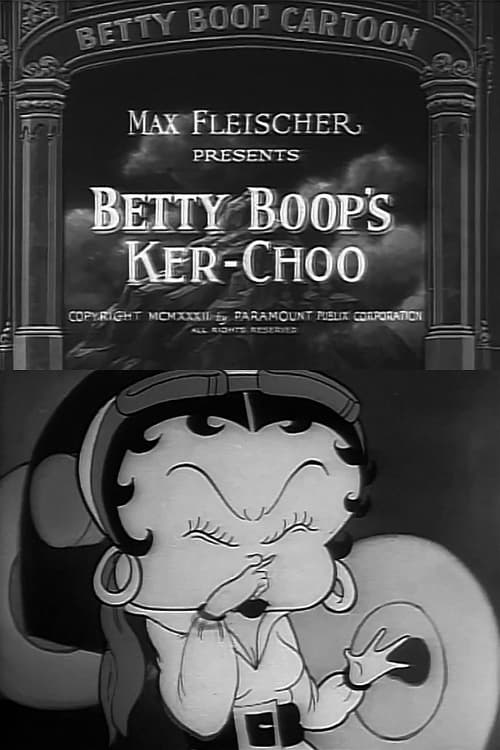
Betty Boop's Ker-Choo
1933
No user ratings available yet
Representation score: 0.4 out of 10
Representation Score
Good
1936
ApprovedDirector
Dave Fleischer
Runtime
7 minutes
Average Rating
No ratings yetNew Showbiz Analysis
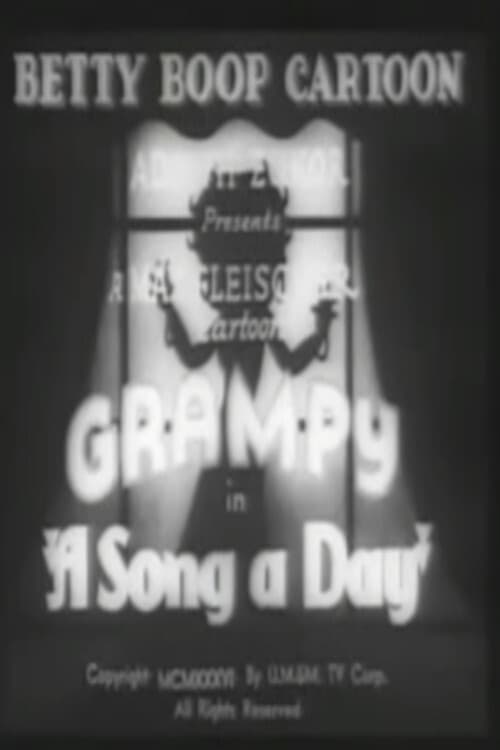
A Song a Day is a character-driven musical comedy that leverages the surrealist energy of Fleischer Studios. It places a female lead at the center of the narrative, providing her with professional ability to act within the hospital setting. However, the film is heavily constrained by the social hierarchies and censorship of 1936. Representation of disability and race remains limited to period-typical clichés, where ailments and characters often serve as mere plot devices or caricatures. Ultimately, the film is a product of its time, prioritizing rhythmic joy and escapism over deep or diverse social exploration.
Category Breakdown
The film adheres to the censorship standards of its time, which limit explicit representations of non-straight relationships. However, the surreal animation and fluid character movements sometimes disrupt conventional gender norms through slapstick comedy.
Betty Boop is a central protagonist who play a significant role in driving the story in her professional role at the hospital. Her presence acts as the main driver for the plot's progression, alongside Professor Grampy.
The score reflects the historical likelihood of having mostly similar characters typical of 1936. While diverse animal species are present, they might serve as proxies rather than true demographic variety.
The musical comedy format prioritizes rhythmic escapism over moral or religious instruction. The setting focuses on situational conflict rather than systemic or heavy cultural messaging.
Physical ailments are central to the hospital setting but often function as comedic devices. Patients lack true ability to act, serving primarily as recipients of a musical cure.
Present on Screen
Limited or Absent
Official Synopsis
At Betty Boop's Animal Hospital, various species have appropriate ailments. Morale becomes a problem; Professor Grampy to the rescue!
1933
1937
1935

1940
1936
1936
1938
1935
No reviews yet. Be the first to share your thoughts on this movie!
Use the rating form above to leave a star rating and optional review.