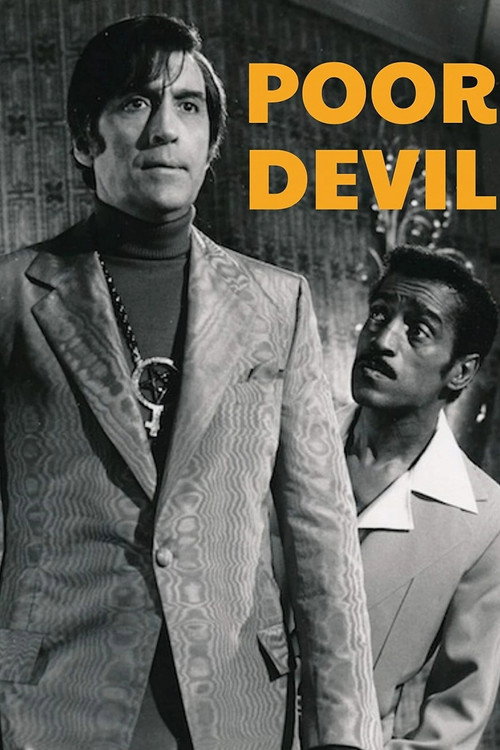
Poor Devil
1973
No user ratings available yet
Representation score: 3.9 out of 10

Representation Score
Minimal
1984
PGDirector
Paul Bogart
Runtime
97 minutes
Average Rating
No ratings yetNew Showbiz Analysis
This comedy operates within a highly traditional framework, emphasizing a classic good-versus-evil dichotomy. The narrative relies on established Western moral structures and religious archetypes, avoiding exploration of multi-layered identities or systemic critiques. Because the plot centers on a supernatural battle for a soul, the human elements remain secondary and conventional. The film reflects the homogeneous casting and social norms prevalent in mid-1980s genre cinema. Ultimately, the work functions as a standard moralistic tale that reinforces existing cultural hierarchies without disrupting them.
Category Breakdown
The film doesn't include any LGBTQ+ characters or non-cisgender identities. The story revolves around a metaphysical battle between divine and infernal entities.
Gender roles in the film follow traditional 1980s social hierarchies. The story doesn't challenge or subvert the power dynamics associated with masculine and feminine archetypes.
The cast lacks significant racial or ethnic diversity. Characters align with the homogeneous Western casting standards typical of the era.
The story is rooted in a traditional religious binary of God versus Satan. It reinforces a singular moral hierarchy without offering secular critiques.
There is no representation of physical, neurodivergent, or mental health disabilities within the primary plot or character arcs.
Present on Screen
Limited or Absent
Official Synopsis
George Burns is back as God, but oops, here he is as Satan, too. A young rock star is ready to sell his soul to Satan, and Satan is all too happy to oblige. Oops! Seems the fellow was watched over by God as a baby, so now the almighty and his nemesis have to duke it out over the soul.
1973
1988
1949

1977
1970
1941
1980
1960
No reviews yet. Be the first to share your thoughts on this movie!
Use the rating form above to leave a star rating and optional review.