The Appointment
1969
No user ratings available yet
Diversity score: 2.5 out of 10
1982
RDirector
Eli Hollander
Runtime
83 minutes
Average Rating
No ratings yetSynopsis
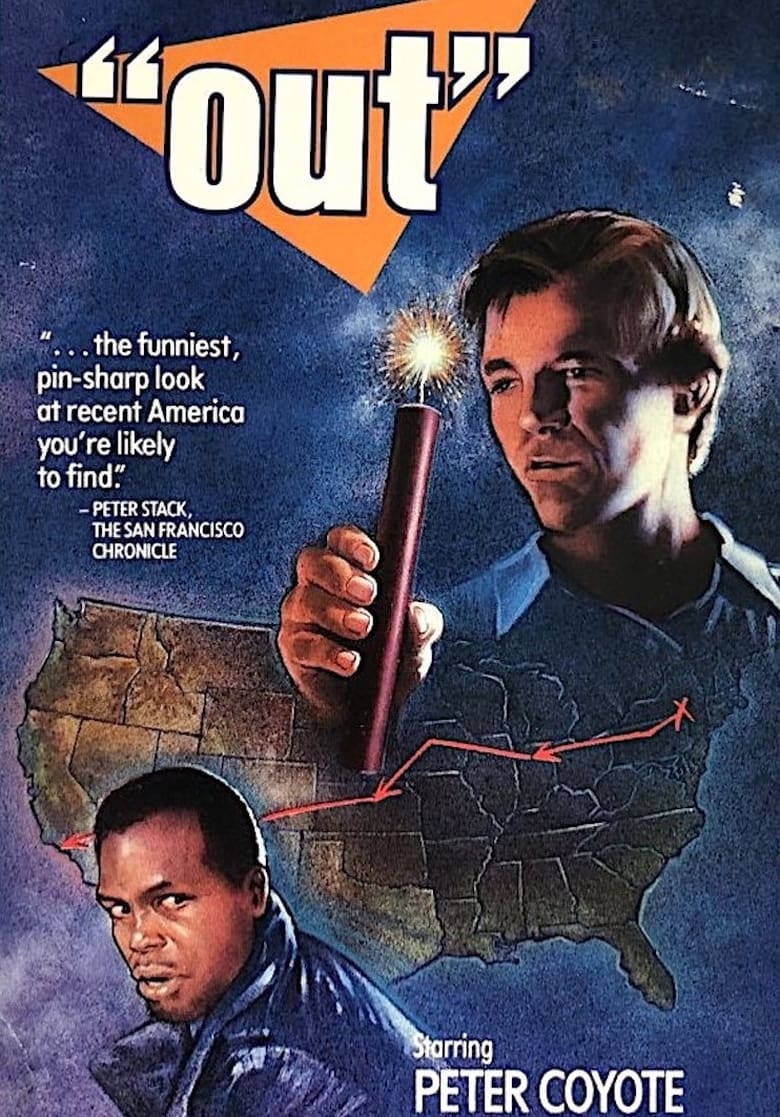
A self-styled "urban guerrilla" in Greenwich Village is sent on various assignments across the country by a mysterious "commander."
Overall Score
Minimal
Category Breakdown
LGBTQ+ Representation
The film lacks explicit mention of LGBTQ+ characters or non-cisnormative identities. While the 1982 Greenwich Village setting often implies queer themes, no such representation is confirmed.
Gender Representation
The story focuses on a single 'urban guerrilla' protagonist. There is no evidence of female agency or the subversion of gender hierarchies within the narrative.
Racial & Ethnic Diversity
The synopsis offers no information regarding the racial or ethnic composition of the cast. The protagonist's archetype provides no data on the presence of characters of color.
Religious & Cultural Diversity
The plot suggests a potential critique of traditional authority through its anti-establishment framework. However, it is unclear if this represents a systemic critique or a simple genre device.
Disability Representation
There is no mention of characters with visible or invisible disabilities. The narrative does not address neurodivergence or physical impairments.
Strengths
Areas for Improvement
AI Analysis
Out is a mystery drama centered on an urban guerrilla operating under a mysterious commander. The film's focus remains tightly on this singular protagonist, leaving little room for a diverse ensemble or intersectional perspectives. While the setting of Greenwich Village in the early 1980s suggests a specific cultural milieu, the film lacks verifiable evidence of LGBTQ+ representation, racial diversity, or gendered agency. The narrative appears driven by genre tropes rather than social commentary. The only notable element is the potential for anti-establishment themes. This provides a slim foundation for cultural critique, though it remains unproven whether the film engages with systemic institutional power.
1969
1966

2013
1983
2000

1987

1997
1980

1975
1973
1976
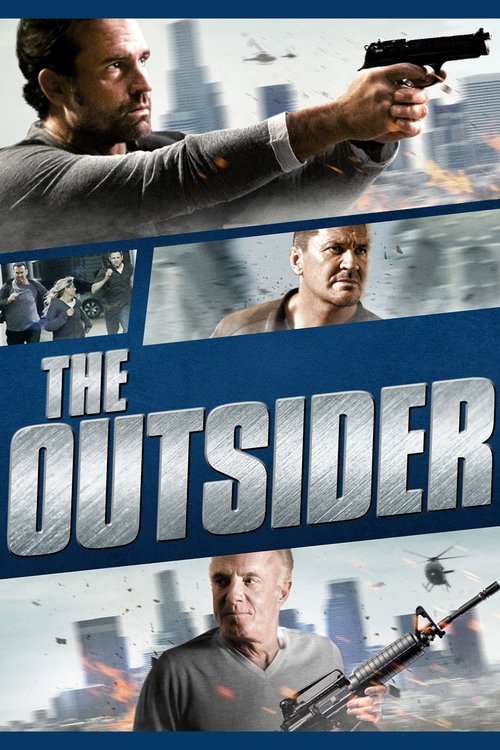
2014
No reviews yet. Be the first to share your thoughts on this movie!
Use the rating form above to leave a star rating and optional review.