Fandango
1985
No user ratings available yet
Representation score: 2.6 out of 10
Representation Score
Minimal
1973
PGDirector
George Lucas
Runtime
112 minutes
Average Rating
No ratings yetNew Showbiz Analysis
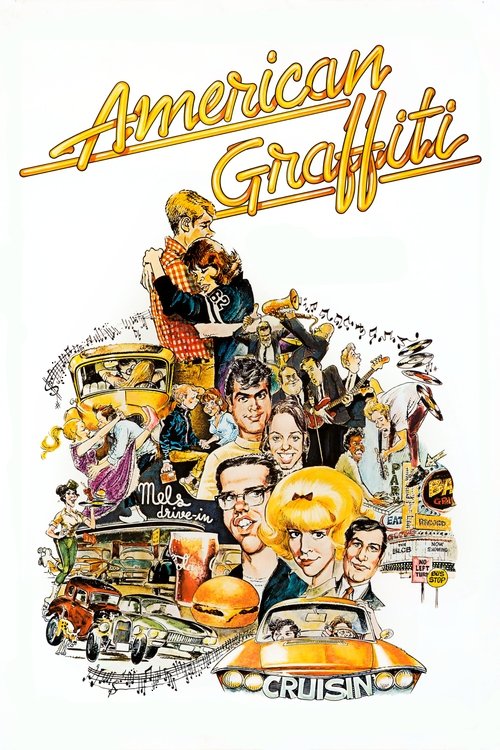
George Lucas captures a specific, vanishing cultural moment through a lens of nostalgic realism. The film prioritizes period accuracy over the deconstruction of social hierarchies, reflecting the sociological constraints of 1962. While the film provides an accurate study of early 1960s youth culture and car culture, it lacks depth in representing diverse identities. The narrative mirrors the era's established norms rather than challenging them.
Category Breakdown
The film adheres to traditional dating dynamics and focuses entirely on heterosexual relationships.
Female characters have distinct personalities but mainly serve as romantic interests for male characters. The story emphasizes male social bonds and activities.
The cast is predominantly white and middle-class. People of color appear only in minor, service-oriented, or background roles.
The story celebrates 1960s car culture and traditional Western social structures. It romanticizes a specific era in American history.
There is no representation of physical, sensory, or neurodivergent disabilities among the main characters.
Present on Screen
Limited or Absent
Official Synopsis
A couple of high school graduates spend one final night cruising the strip with their buddies before they go off to college.
1985
1978
1982

1973
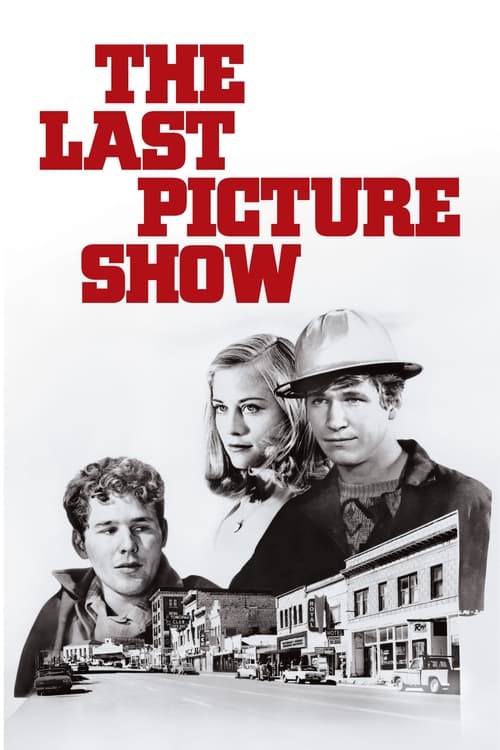
1971
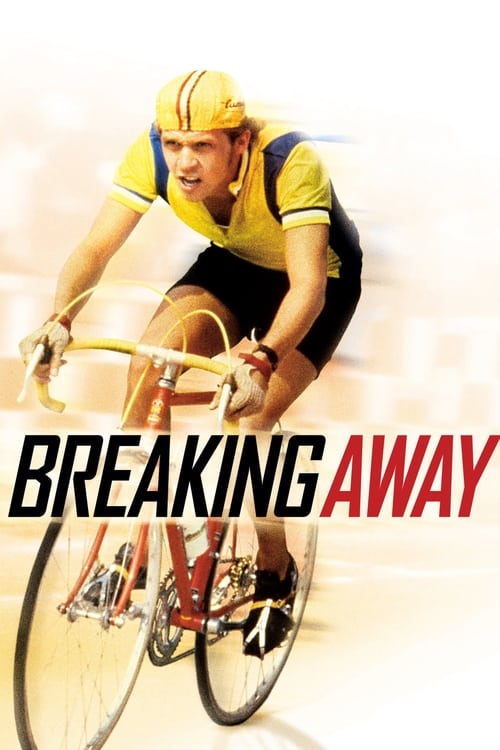
1979
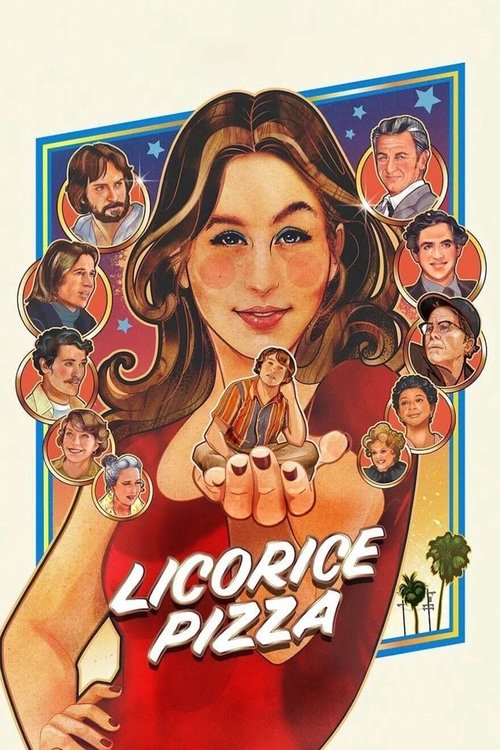
2021
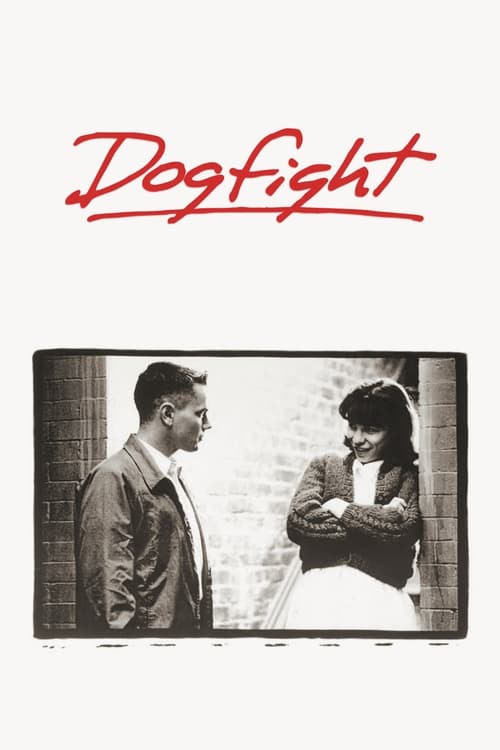
1991
No reviews yet. Be the first to share your thoughts on this movie!
Use the rating form above to leave a star rating and optional review.