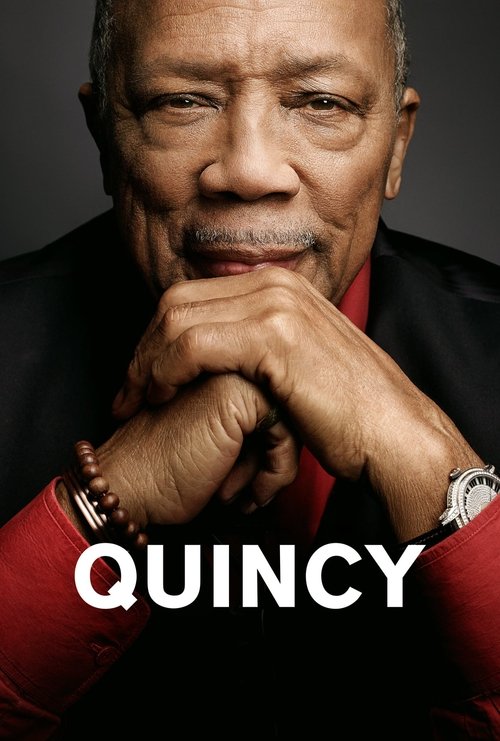
Quincy
2018
No user ratings available yet
Representation score: 6.2 out of 10
Representation Score
Good
2022
RDirector
Sacha Jenkins
Runtime
104 minutes
Average Rating
No ratings yetNew Showbiz Analysis
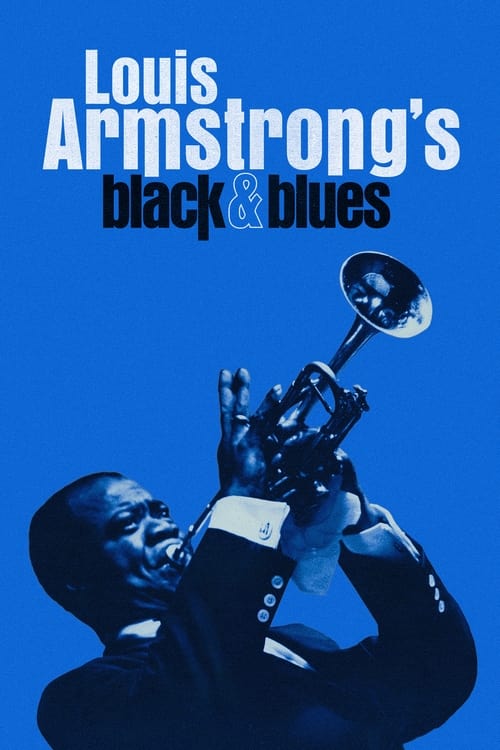
Sacha Jenkins presents a narrative that challenges the 'Great Man' cliché by focusing on Louis Armstrong's life through a lens of Black ability to act. Using personal recordings, the film counters the traditional Western perspective that often commodifies Black musical innovation. By portraying Armstrong as a political figure navigating the Jim Crow era, the documentary offers a nuanced critique of systemic inequalities and racialized structures. However, the film remains constrained by the patriarchal focus of the time and a lack of explicit LGBTQ+ representation.
Category Breakdown
The film maintains a neutral stance regarding LGBTQ+ narratives. It does not explicitly center non-assuming gender matches what was assigned at birth identities or provide specific data on the private lives of the subjects.
The film highlights the male-dominated jazz scene and its patriarchal structures. However, it does not significantly depict the roles or ability to act of women in the historical context.
The documentary centers on the Black experience and Louis Armstrong's intellectual contributions. It effectively critiques systemic racism and portrays jazz as a form of cultural resistance.
The film explores themes of systemic oppression and racialized capitalism, emphasizing the lived experiences of underrepresented artists.
There is no significant evidence regarding the portrayal of visible or invisible disabilities within the archival focus or synopsis.
Present on Screen
Limited or Absent
Official Synopsis
Never-before-heard personal recordings and archival footage tell the story of Louis Armstrong's life from his perspective. From musical phenom to civil rights activist to world-renowned artist, this illuminating film shows sides of Armstrong few have seen.
2018

2021
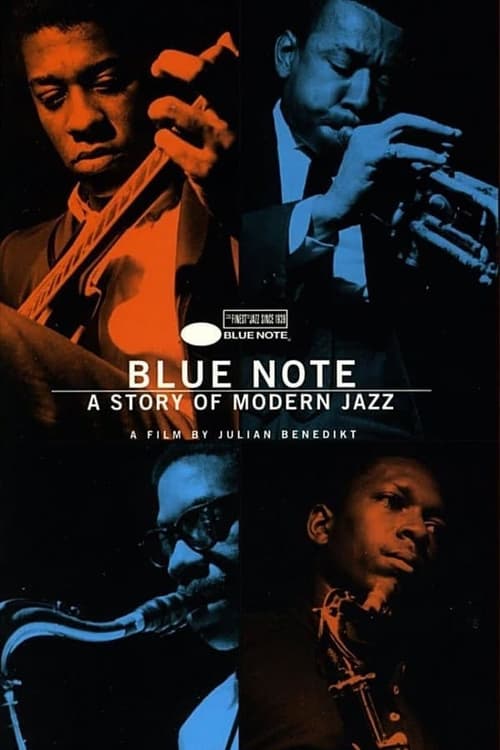
1997
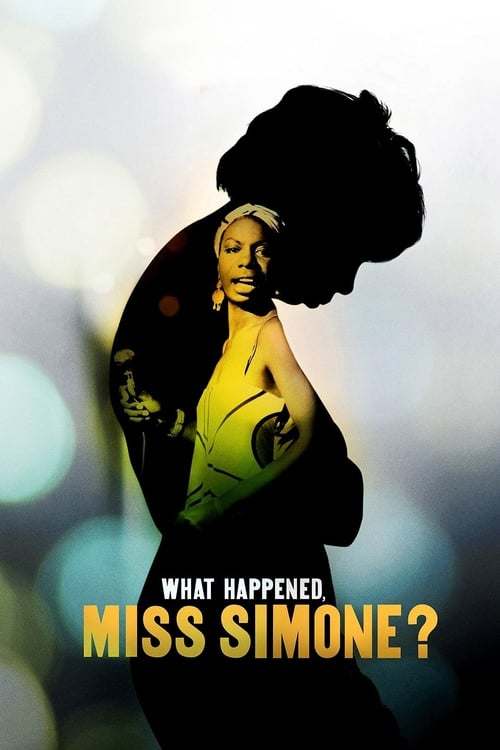
2015

2017
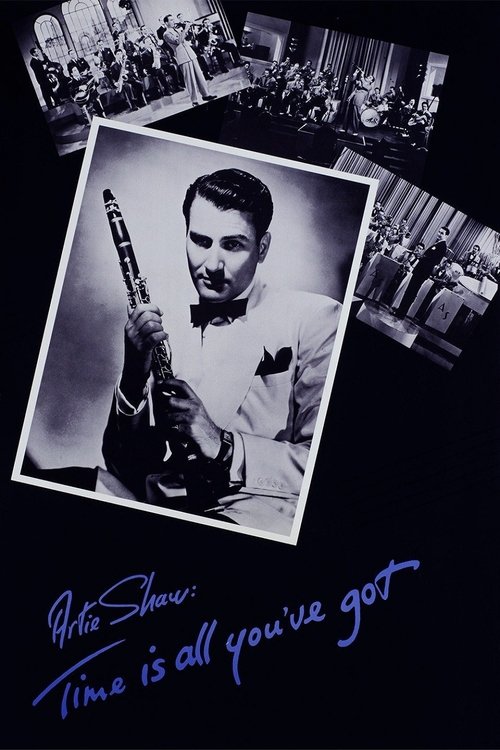
1985
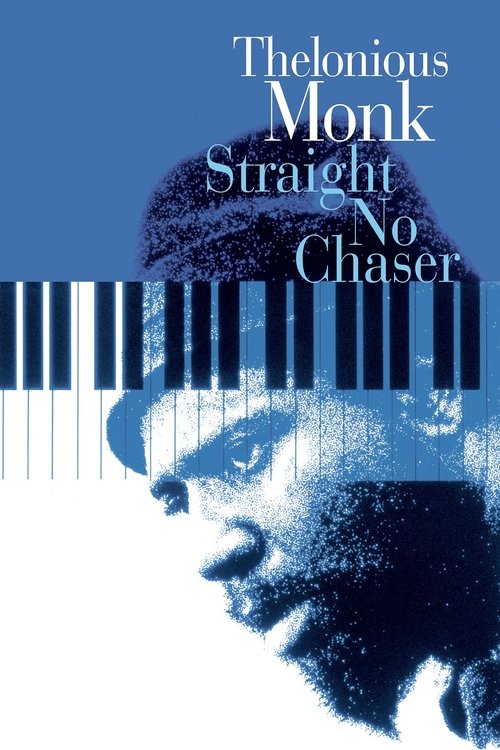
1988

2019
No reviews yet. Be the first to share your thoughts on this movie!
Use the rating form above to leave a star rating and optional review.