
No Man Is an Island
1962
No user ratings available yet
Representation score: 2.4 out of 10
Representation Score
Limited
1995
Director
Michael Pattinson
Runtime
90 minutes
Average Rating
No ratings yetNew Showbiz Analysis
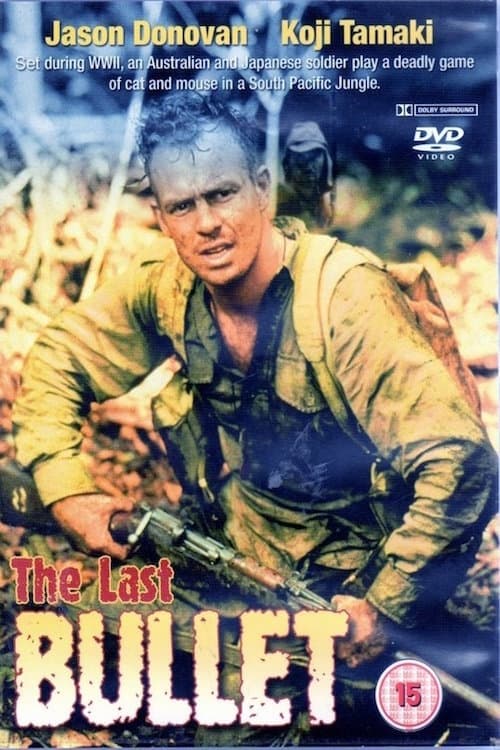
The Last Bullet is a traditional mid-90s action piece that prioritizes genre clichés over diverse character development. The narrative structure is built around a visceral, masculine struggle for survival in a South Pacific jungle. While the film offers a cross-cultural encounter between Western and Japanese combatants, it remains rooted in the geopolitical realities of World War II. This focus on historical conflict limits opportunities for deeper social critique or the subversion of established hierarchies. Ultimately, the film adheres to conventional storytelling norms, emphasizing combat and survival rather than diverse representation or the deconstruction of systemic power dynamics.
Category Breakdown
The film focuses on a conflict between two male combatants and does not include any visible LGBTQ+ characters or non-assuming gender matches what was assigned at birth identities.
The story centers on a traditional masculine conflict between two soldiers and lacks female characters with significant roles or any subversion of conventional gender hierarchies.
The plot features a cross-cultural encounter between Australian and Japanese soldiers, providing a baseline for ethnic interaction but potentially relying on wartime stereotypes.
The narrative is tied to traditional wartime themes like patriotism and national duty and does not appear to critique systemic power or promote secularist themes.
There is no information available regarding characters with visible or invisible disabilities in this film.
Present on Screen
Limited or Absent
Official Synopsis
Set during WWII, an Australian and Japanese soldier play a deadly game of Cat and mouse in a South Pacific Jungle.
1962

1968
1980

1983
2008

2023
1989
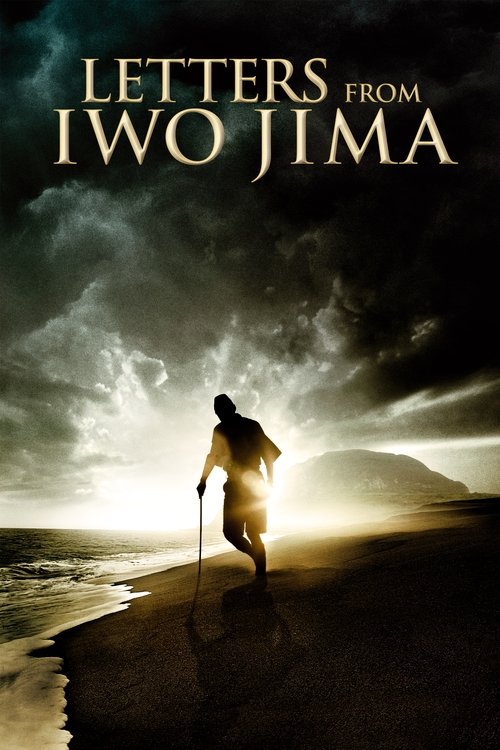
2006
No reviews yet. Be the first to share your thoughts on this movie!
Use the rating form above to leave a star rating and optional review.