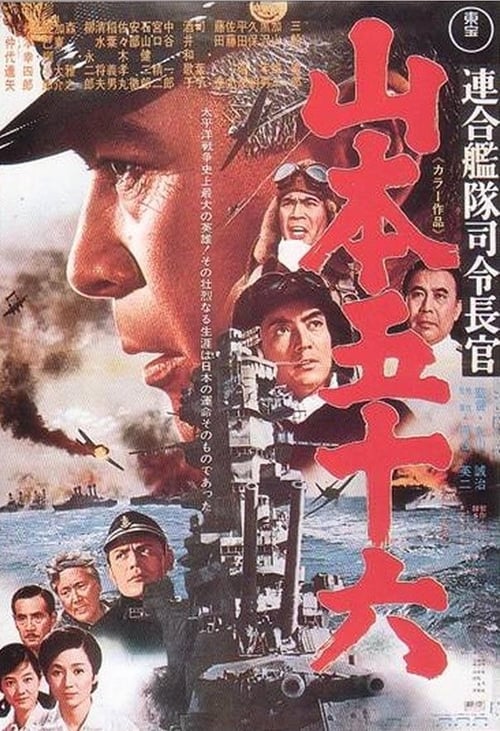
Admiral Yamamoto
1968
No user ratings available yet
Representation score: 0.7 out of 10
Representation Score
Minimal
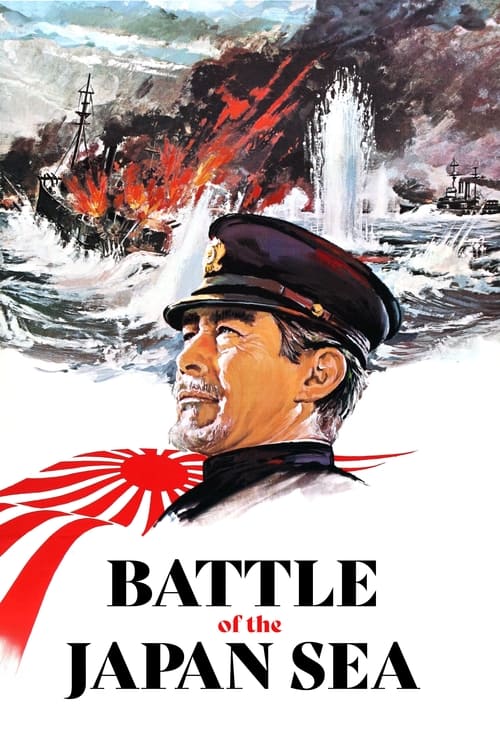
1969
GDirector
Seiji Maruyama
Runtime
128 minutes
Average Rating
No ratings yetNew Showbiz Analysis
This historical epic prioritizes military realism and nationalistic storytelling over social or identity-based exploration. The film reconstructs the Russo-Japanese War, reinforcing traditional hierarchies of rank and gender. The narrative structure is built on established institutional values, focusing on discipline and duty. It does not attempt to challenge social structures or introduce diverse perspectives, remaining within the conventions of 1960s historical filmmaking. While the film provides ethnic distinction through its depiction of the Russian Baltic Fleet, it lacks representation for women, LGBTQ+ individuals, or people with disabilities.
Category Breakdown
The film focuses entirely on masculine spheres of command and combat. There is no evidence of non-traditional gender identities or same-sex relationships.
The plot centers almost exclusively on male military officers and sailors. Women are largely absent and do not play central roles.
Casting reflects the historical context of the Russo-Japanese War. It includes European actors for the Russian fleet but maintains strict ethnic boundaries.
The narrative emphasizes nationalism, patriotism, and state authority. It depicts resistance to Western power through a lens of national sovereignty.
There is no discernible focus on visible or invisible disabilities. Characters are defined solely by their physical capability for naval warfare.
Present on Screen
Limited or Absent
Official Synopsis
Japan and Russia clash in what comes to be known as the Russo-Japanese War. An attempt by the Japanese fleet and army to take Port Arthur fails, and a Russian fleet bears down on the Sea of Japan. Admiral Heihachiro Togo sends his fleet to confront the Russians, with results which stun both nations. Meanwhile, Major Genjiro Akashi makes secret negotiations with the Bolshevik revolutionaries in Russia, negotiations that have repercussions far beyond the conflict at hand.
1968
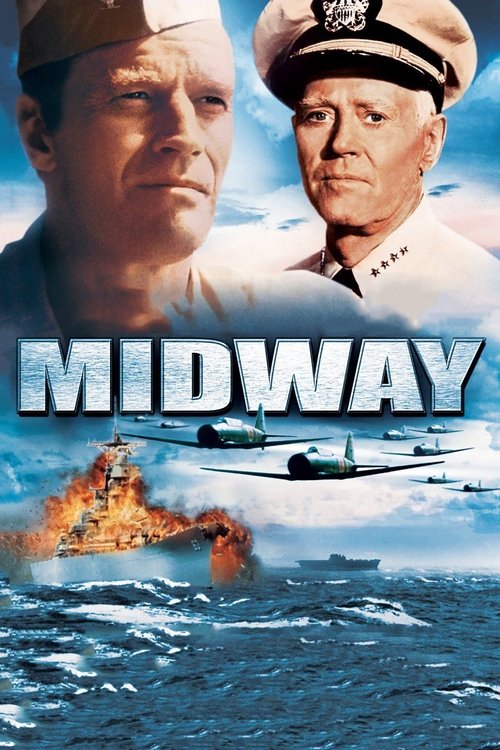
1976
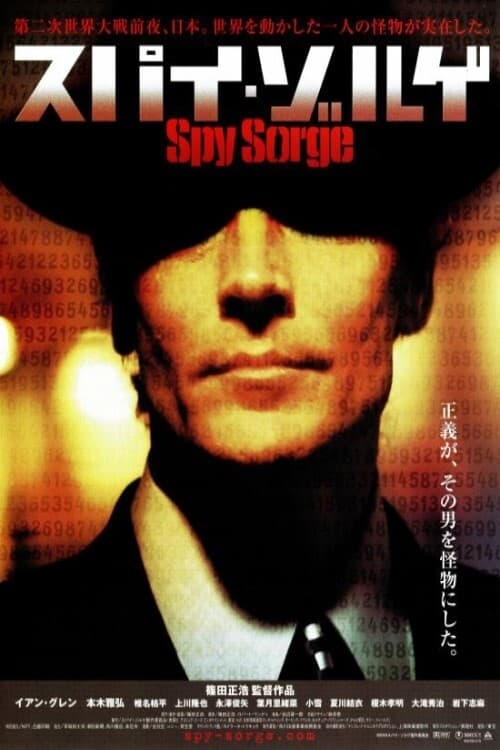
2003

1956
1962
1959
1945
1963
No reviews yet. Be the first to share your thoughts on this movie!
Use the rating form above to leave a star rating and optional review.