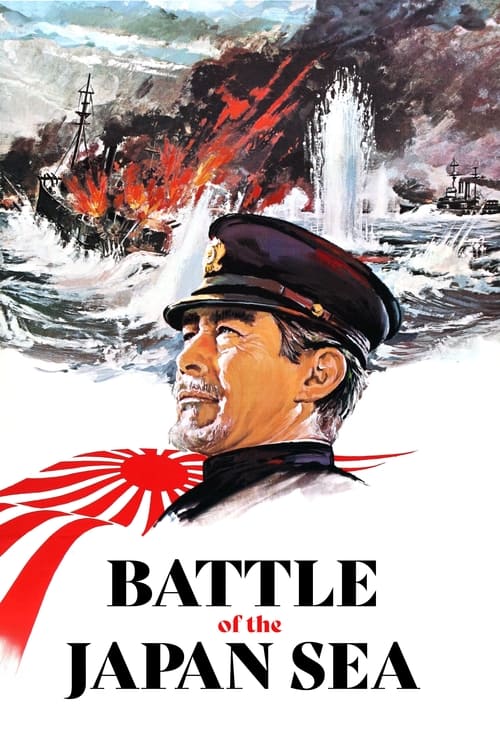
Battle of the Japan Sea
1969
No user ratings available yet
Representation score: 1.1 out of 10
Representation Score
Fair
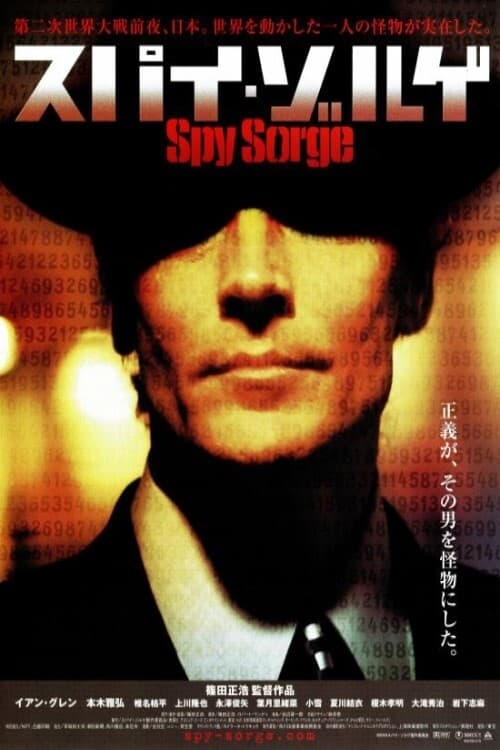
2003
Director
Masahiro Shinoda
Runtime
182 minutes
Average Rating
No ratings yetNew Showbiz Analysis
Masahiro Shinoda’s historical drama succeeds by deconstructing traditional power structures through a sophisticated, ideologically driven lens. The film avoids simple moral binaries, instead exploring how individuals navigate oppressive state systems. The narrative's strength lies in its protagonist with mixed heritage and a woman with high political ability to act. The film provides a nuanced perspective on historical espionage. While it lacks LGBTQ+ representation and disability narratives, its critique of systemic oppression and its focus on secular, anti-fascist struggle offer a rich, progressive framework for a historical war drama.
Category Breakdown
The film focuses on traditional romantic and political partnerships. It does not include any non-straight or non-cisgender identities or narratives that challenge the assumption that everyone is straight or cisgender.
Hülya Sorge is a central figure with significant political influence. She is depicted as an autonomous operative and ideological equal rather than a submissive domestic figure.
The narrative centers on a protagonist with mixed Turkish and German heritage. This inclusion challenges monolithic views of the era's political landscape through the way different parts of someone's identity overlap.
The film utilizes an anti-fascist framework to critique Western institutional power. It prioritizes secular, ideological struggles and situational ethics over traditional religious morality.
There are no prominent depictions of physical or neurodivergent disabilities that serve as central narrative drivers.
Present on Screen
Limited or Absent
Official Synopsis
A foreign spy using the Sorge alias is assigned to Tokyo the capital of Japan just prior to the outbreak of World War II and in the midst of the Japanese imperial ambitions in Eastern Asia. The spy becomes acquainted with a sympathetic communist who like he is attached to the ideals of freedom and rule of the masses. Sorge is able to feed the Soviet Union useful information regarding the Axis allies and their movements in Asia and beyond.
1969

1952

1961

2020

2010

2009

2019

1992
No reviews yet. Be the first to share your thoughts on this movie!
Use the rating form above to leave a star rating and optional review.