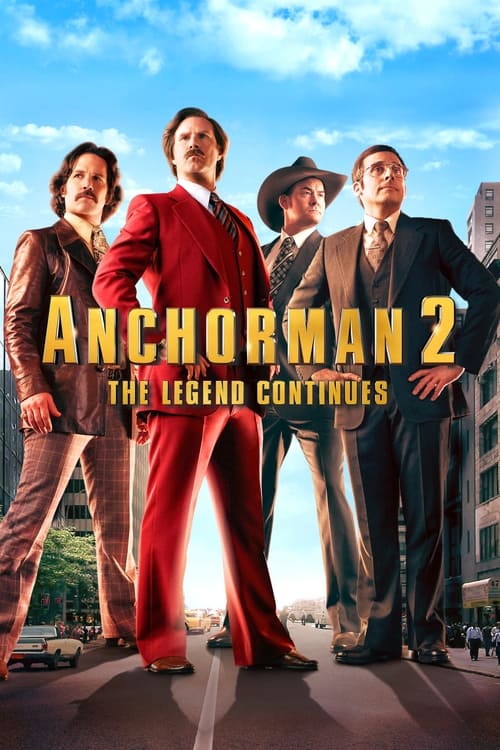
Anchorman 2: The Legend Continues
2013
No user ratings available yet
Representation score: 6.2 out of 10
Representation Score
Fair
2006
PG-13Director
Adam McKay
Runtime
108 minutes
Average Rating
No ratings yetNew Showbiz Analysis
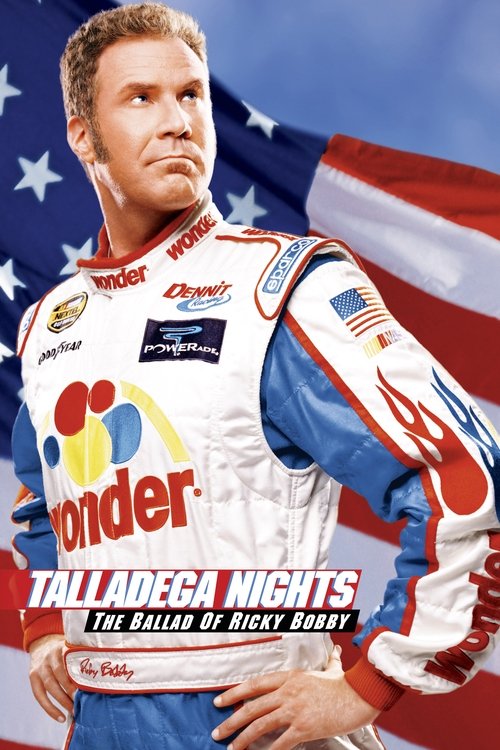
Talladega Nights is a traditionally cast comedy that prioritizes ideological subversion over demographic variety. While it lacks representation across most identity categories, it uses satire to challenge cultural archetypes. The film's strength lies in its critique of American consumerism and hyper-patriotism. It uses the rivalry between Ricky Bobby and Jean Girard to mock the excesses of capitalism and the sanctity of traditional Western hierarchies. However, the film remains narrow in its casting and character development. It relies on hyper-male clichés and homogeneous settings, offering little space for diverse racial, gender, or LGBTQ+ perspectives.
Category Breakdown
The film focuses on traditional heterosexual relationships and does not include any LGBTQ+ identities or same-sex intimacy. It emphasizes conventional social hierarchies without addressing non-straight relationships.
The characters tend to follow exaggerated gender stereotypes. While Cal Bobby shows a path towards independence, female characters mainly support the male protagonist’s domestic life.
The NASCAR subculture is portrayed as predominantly white with little racial diversity. The story focuses on the tension between American and European identities rather than exploring multiple racial backgrounds.
The film effectively mocks Western institutions and consumerism. It uses Jean Girard to criticize American exceptionalism and the idea that 'winning is everything.'
There is no meaningful depiction of physical or neurodivergent disabilities. Characters are defined by social status and professional competence rather than by lived experiences of disability.
Present on Screen
Limited or Absent
Official Synopsis
The fastest man on four wheels, Ricky Bobby, is one of the greatest drivers in NASCAR history. A big, hairy American winning machine, Ricky has everything a dimwitted daredevil could want, a luxurious mansion, a smokin' hot wife, and all the fast food he can eat. But Ricky's turbo-charged lifestyle hits an unexpected speed bump when he's bested by flamboyant Euro-idiot Jean Girard and reduced to a fear-ridden wreck.
2013
1980
2013
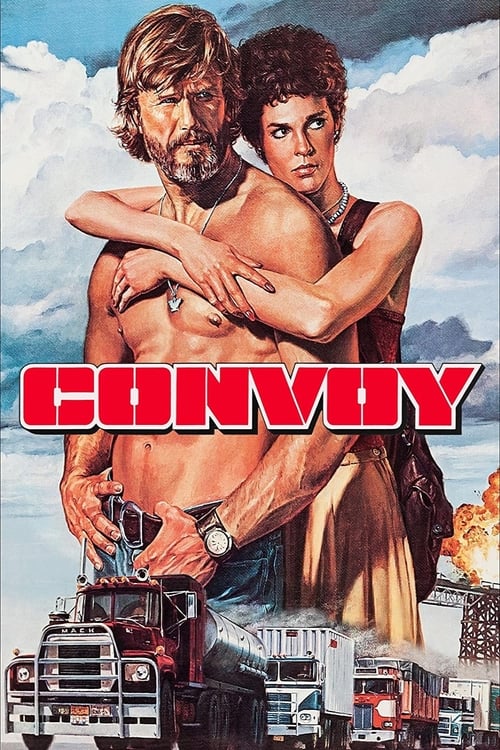
1978
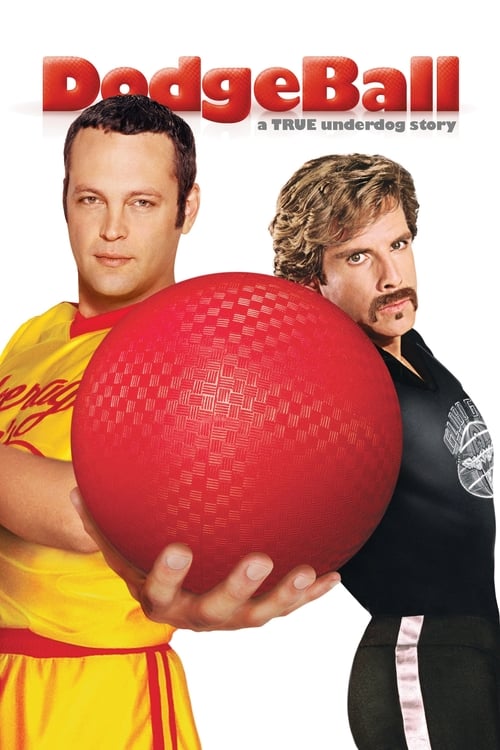
2004
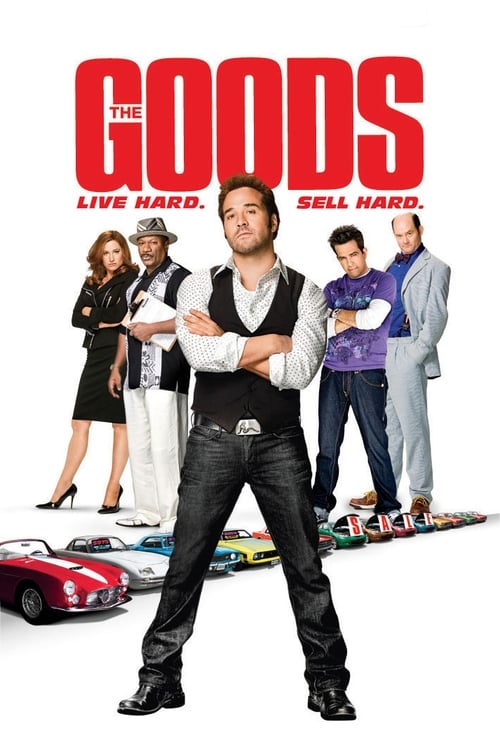
2009
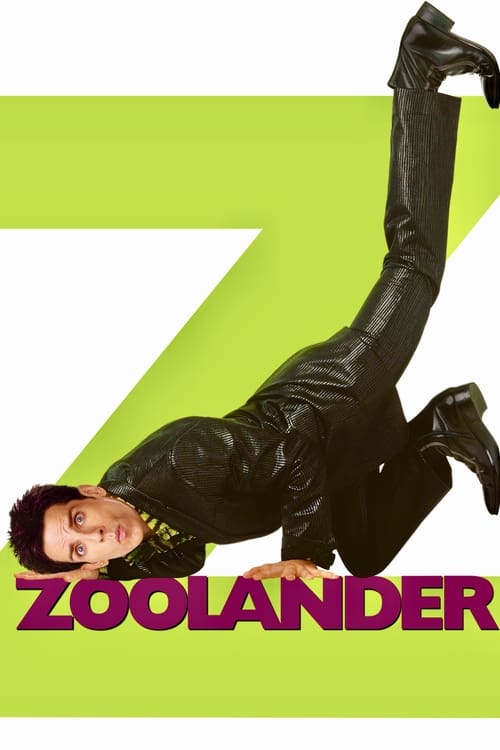
2001
1981
No reviews yet. Be the first to share your thoughts on this movie!
Use the rating form above to leave a star rating and optional review.