The Waterboy
1998
No user ratings available yet
Representation score: 2.8 out of 10
Representation Score
Fair
2004
PG-13Director
Rawson Marshall Thurber
Runtime
92 minutes
Average Rating
No ratings yetNew Showbiz Analysis
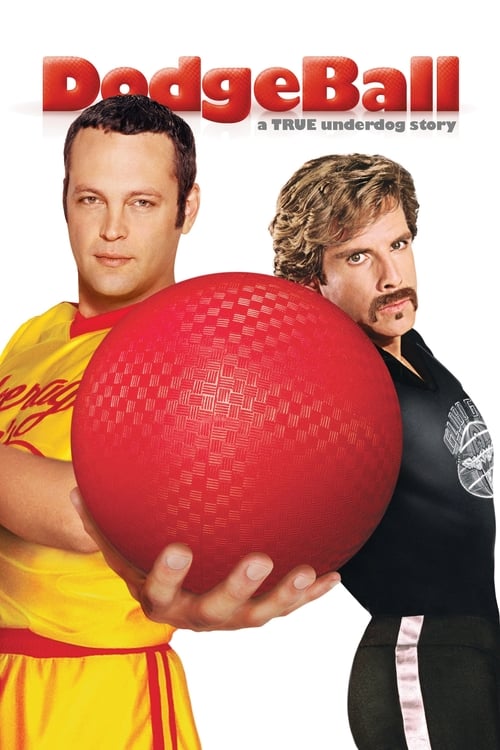
DodgeBall functions as a postmodern parody of competitive archetypes. Its strength lies in deconstructing notions of superiority by framing hyper-masculine, corporate-aligned figures as buffoons while elevating social misfits. However, the film remains within traditional comedic structures. It relies heavily on physical archetypes and lacks deep engagement with multi-layered identities or systemic critiques of race and gender. Ultimately, the film disrupts expectations of power and competence through its underdog narrative, even if it avoids explicit identity politics.
Category Breakdown
The film lacks significant LGBTQ+ presence or diverse character arcs that challenge traditional heterosexual relationships. Identity is not a central part of the plot.
The film parodies traditional masculinity through the antagonist, White Goodman. Female characters like Kate Veatch have ability to act and competence, but the competition remains male-dominated.
The ensemble uses various archetypes but does not commit to diverse casting or explore multi-layered identities. Diversity is used for comedic characterization within a suburban American setting.
The story offers a light-hearted critique of corporate dominance by contrasting a community gym with a predatory fitness center. It explores the tension between grassroots community and monopolistic capitalism.
Representation is limited to physical archetypes and comedic clichés. Characters are often defined by physical capabilities, using shorthand rather than nuanced depth.
Present on Screen
Limited or Absent
Official Synopsis
When megalomaniacal White Goodman, the owner of a trendy, high-end fitness center, makes a move to take over the struggling local gym run by happy-go-lucky Pete La Fleur, there's only one way for La Fleur to fight back: dodgeball. Aided by a dodgeball guru and Goodman's attorney, La Fleur and his rag-tag team of underdogs launch a knock-down, drag-out battle in which the winner takes all.
1998
1980
1998
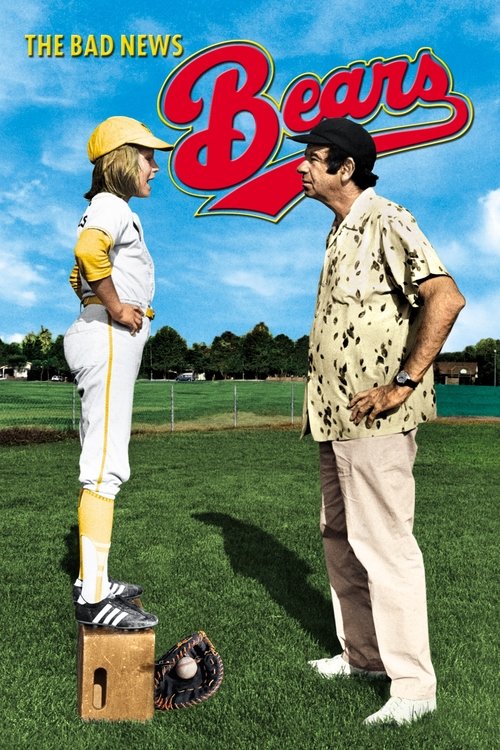
1976
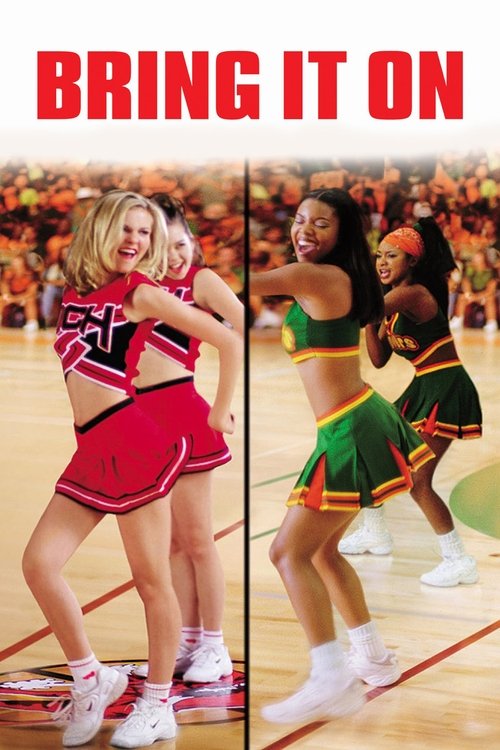
2000
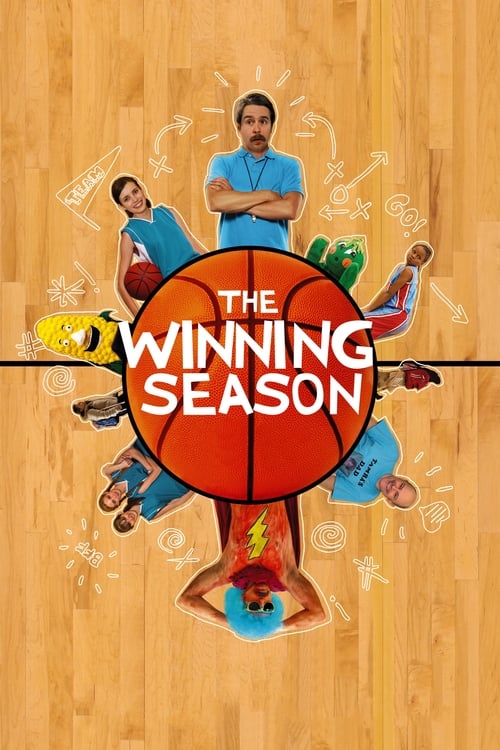
2009
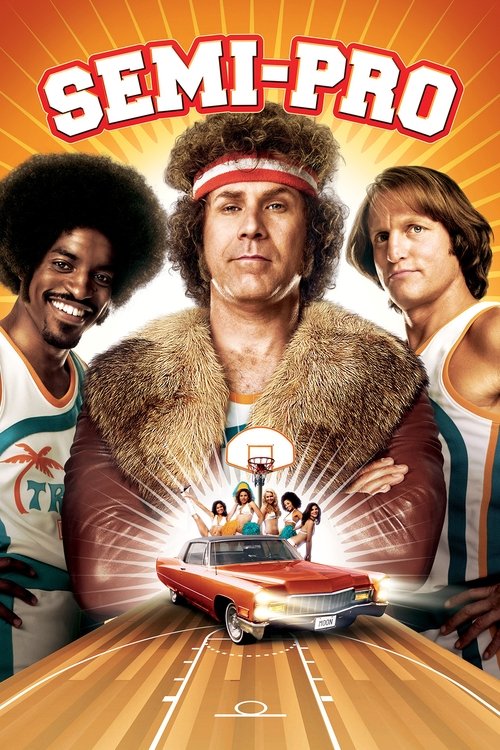
2008
1994
No reviews yet. Be the first to share your thoughts on this movie!
Use the rating form above to leave a star rating and optional review.