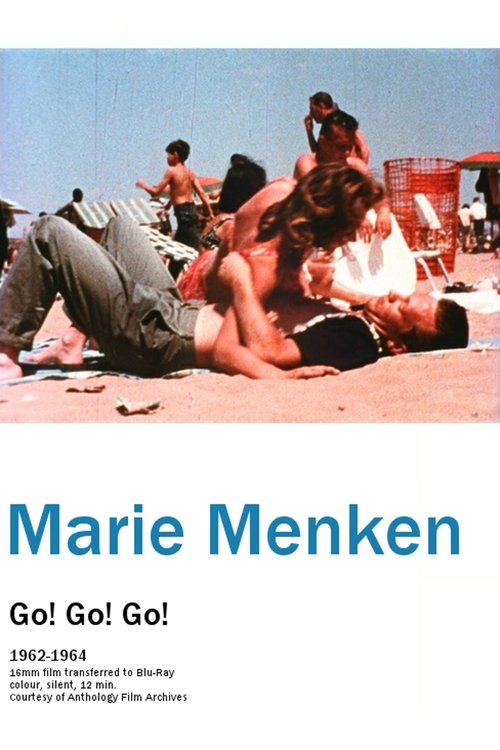
Go! Go! Go!
1964
No user ratings available yet
Representation score: 5.8 out of 10

Representation Score
Limited
1940
Director
Rudy Burckhardt
Runtime
8 minutes
Average Rating
No ratings yetNew Showbiz Analysis
Rudy Burckhardt’s documentary focuses on the kinetic energy of Manhattan’s streets rather than exploring individual identities. Its diversity arises from its setting, capturing the varied movements of a bustling city through a pioneering street-photography style. Since the film centers on the rhythmic flow of crowds, it lacks the narrative depth or thematic subversion found in scripted works. Representation is observational, presenting a historical snapshot of 1940s city life without explicit commentary on social structures. Overall, the film offers a neutral, aesthetic perspective on urban life, capturing the broad range of human experience in motion but not engaging with specific cultural, gendered, or queer narratives.
Category Breakdown
The film captures a fast-paced urban environment but does not include specific stories or identities related to LGBTQ+ communities.
Women play active roles in the bustling streets of 1940s Manhattan. However, the film does not explore how these roles challenge traditional gender hierarchies.
The documentary showcases a diverse urban landscape through its observational style. It includes various ethnic backgrounds but does not provide detailed accounts of the actions or roles of non-white subjects.
The film emphasizes the secular, energetic nature of urban life. It avoids promoting specific moral viewpoints, offering instead a neutral look at the rhythms and machinery of modern living.
There is no specific depiction of individuals with disabilities in the film. The emphasis on swift motion might unintentionally overlook the experiences of those with disabilities.
Present on Screen
Limited or Absent
Official Synopsis
Photographer Rudy Burckhardt shows us the ebb and flow of people rushing about Manhattan. Equally exhilarating in his novel approach to snap images quickly on the run, a method he inaugurated and that continues to the present day. In film, he added slow and fast motion, split-screens and superimpositions to his repertory.
1964
1929
1957

1927
1986
2004
1954

1928
No reviews yet. Be the first to share your thoughts on this movie!
Use the rating form above to leave a star rating and optional review.