Kung-fu
1980
No user ratings available yet
Diversity score: 3.1 out of 10
1956
ApprovedDirector
Fielder Cook
Runtime
83 minutes
Average Rating
No ratings yetSynopsis
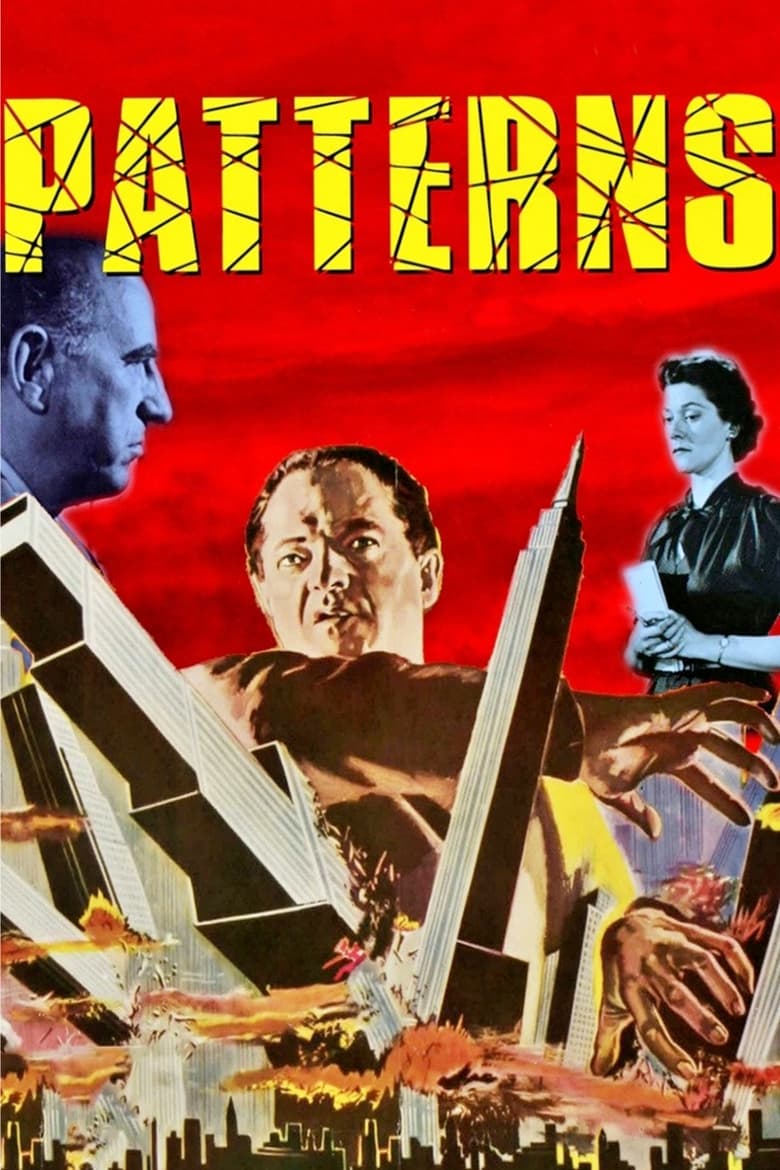
To eliminate internal opposition, a cruel CEO sabotages and humiliates a good-natured executive in an effort to force his resignation — and make the reticent new hire his new yes man.
Overall Score
Limited
Category Breakdown
LGBTQ+ Representation
The film lacks LGBTQ+ characters or explorations of non-cisnormative identities. The social landscape remains strictly defined by 1950s heteronormative and cisnormative standards.
Gender Representation
The narrative operates within a patriarchal framework, focusing almost exclusively on a male lens. Women are relegated to peripheral or clerical roles, reinforcing traditional gender hierarchies.
Racial & Ethnic Diversity
The cast and setting reflect the demographic homogeneity of the 1950s professional class. The environment is almost entirely white and Anglo-Saxon, lacking racial diversity.
Religious & Cultural Diversity
The film offers a sophisticated critique of Western institutional structures and capitalism. It portrays corporate hierarchy as an oppressive system that demands the sacrifice of integrity.
Disability Representation
There are no visible or central depictions of physical or neurodivergent disabilities within the narrative.
Strengths
Areas for Improvement
AI Analysis
Patterns is a mid-century character study that prioritizes thematic depth over demographic variety. While it fails to represent diverse identities, it succeeds in providing a sharp critique of the dehumanizing nature of corporate bureaucracy. The film's strength lies in its intellectual subversion of the 'company man' ideal. It frames institutional loyalty as a predatory mechanism rather than a meritocratic virtue, offering a progressive look at the erosion of personal morality. However, the film is limited by the era's social constraints. It presents a monolithic view of power that lacks intersectional breadth, focusing on a narrow, white, male-dominated professional landscape.
1980
1948
1949
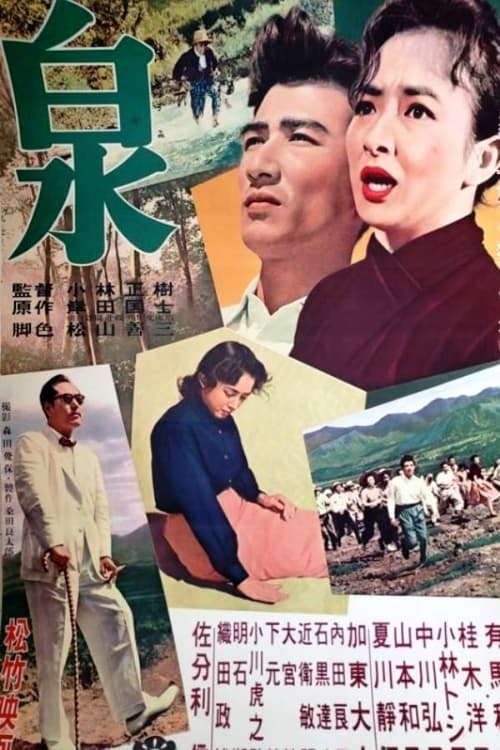
1956
1986
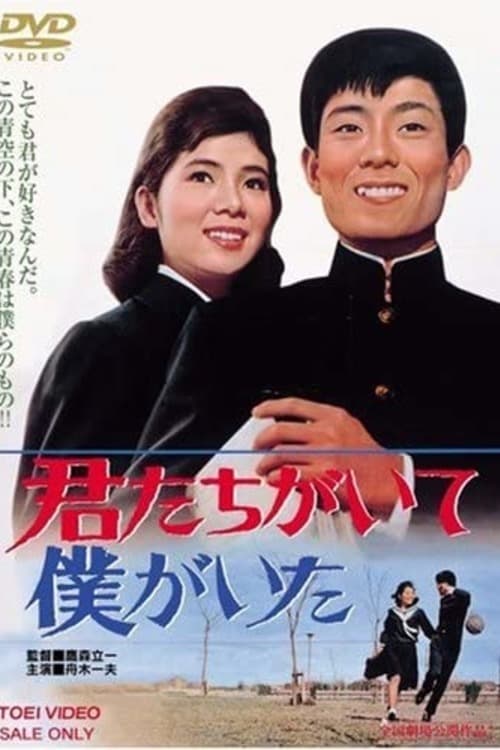
1964
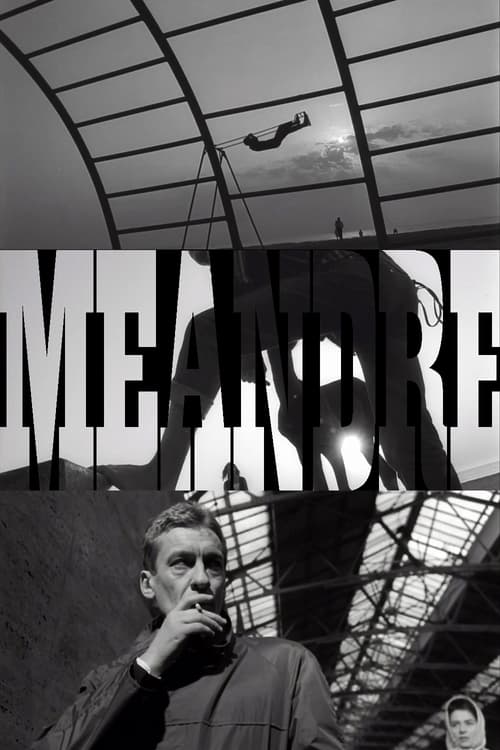
1966
2009
1951
1976
1939
1962
No reviews yet. Be the first to share your thoughts on this movie!
Use the rating form above to leave a star rating and optional review.