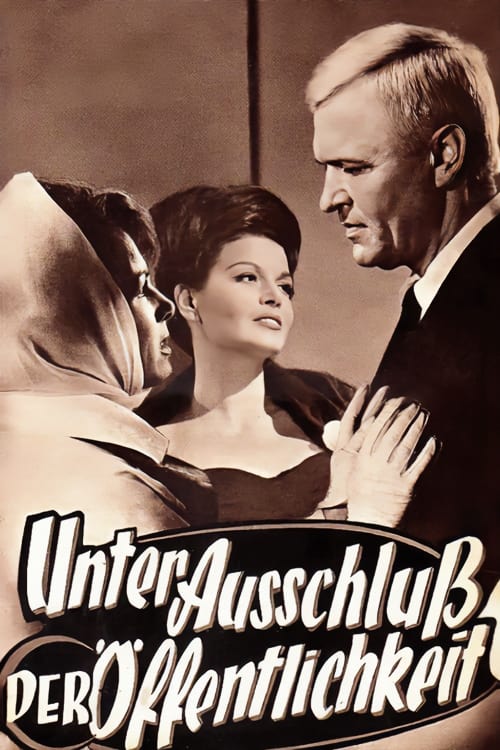
Blind Justice
1961
No user ratings available yet
Representation score: 2.7 out of 10
Representation Score
Fair
1966
Director
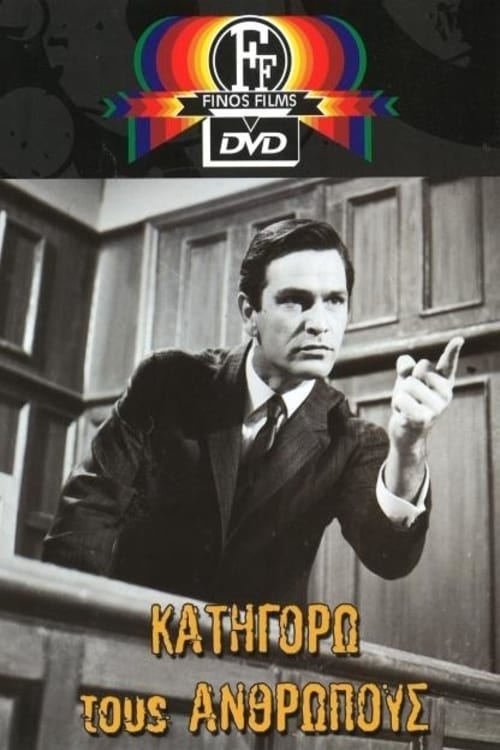
Dinos Dimopoulos
Runtime
100 minutes
Average Rating
No ratings yetNew Showbiz Analysis
I Blame the People is a mid-century legal drama that stands out by subverting traditional gender roles. By making the wife the culprit, the film shifts away from passive female stereotypes towards more complex, active roles. However, the film is constrained by the demographic uniformity of 1960s Greek cinema. It lacks diverse representation regarding race, disability, or LGBTQ+ identities. Ultimately, the film's impact lies in its critique of institutional reliability. It uses the chaos of a murder trial to question the infallibility of the judicial system.
Category Breakdown
The film does not include any LGBTQ+ characters or themes related to non-straight relationships. The main conflict revolves around traditional family and legal structures.
The film breaks the 'innocent domestic woman' stereotype by making the wife the actual murderer. This gives the female character a significant role in driving the story.
Produced in mid-1960s Greece, the film reflects the demographic uniformity of its time. There is no indication of diverse casting to challenge historical norms.
The film questions the reliability of institutions by showing a prosecutor's pursuit of justice as a chaotic process. This indicates a skepticism toward the absolute authority of the state.
There are no characters with physical or neurodivergent disabilities in the film. No such characters appear to serve as narrative devices.
Present on Screen
Limited or Absent
Official Synopsis
A new, ambitious prosecutor undertakes a great trial for a murder trial but things get very confused. Instead of the accused, slowly proved that culprit is actually the wife of itself.
1961
1977
1962
1960
1997
1962

1968
1957
No reviews yet. Be the first to share your thoughts on this movie!
Use the rating form above to leave a star rating and optional review.