Rosario Tijeras
2005
No user ratings available yet
Representation score: 5.5 out of 10
Representation Score
Fair
1962
NC-17Director
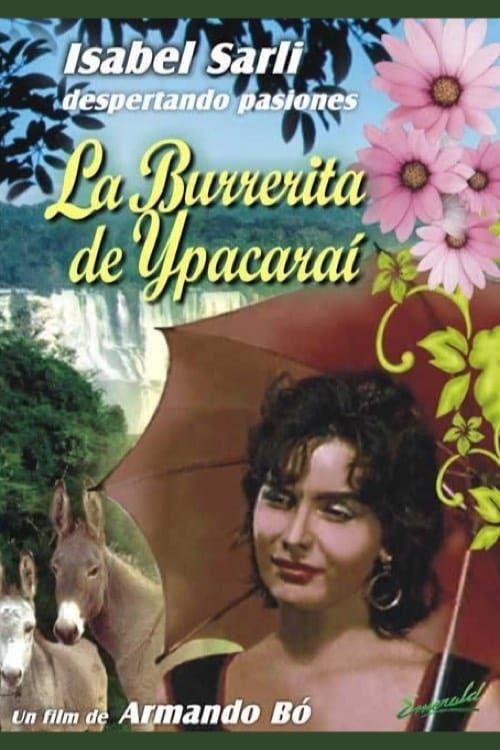
Armando Bó
Runtime
94 minutes
Average Rating
No ratings yetNew Showbiz Analysis
Armando Bó’s film centers on a female protagonist whose interpersonal ability to act propels the plot. While it adheres to the traditional romantic structures of 1962, it avoids the cliché of the passive female observer by making her the emotional core of the story. The film offers a localized Paraguayan perspective by focusing on the rural working class. This shifts the narrative away from Eurocentric storytelling to a more culturally specific exploration of class and romance. However, the film remains limited by its adherence to traditional romantic frameworks and a lack of LGBTQ+ representation. The focus on a central heterosexual romance keeps the social scope relatively narrow.
Category Breakdown
The film does not include any explicit representation of LGBTQ+ identities or same-sex intimacy. It focuses on a traditional romantic relationship between a woman and a criminal.
The female protagonist plays a significant role in driving the story. Her desires and actions shape the drama rather than leaving her as a passive observer.
By highlighting a Paraguayan peasant woman, the film presents a mestizo or indigenous cultural context. This shifts the narrative away from Eurocentric storytelling to a more localized perspective.
The story explores personal morality by emphasizing individual passion over legal or social structures. This challenges the idea of a single institutional morality.
There is no evidence of characters with visible or invisible disabilities within the narrative.
Present on Screen
Limited or Absent
Official Synopsis
A Paraguayan peasant woman who arouses passions in men falls in love with a criminal, consequently she has to face various situations to cope with the relationship.
2005

1949

1997

1961

1963

1968

1970

1951
No reviews yet. Be the first to share your thoughts on this movie!
Use the rating form above to leave a star rating and optional review.