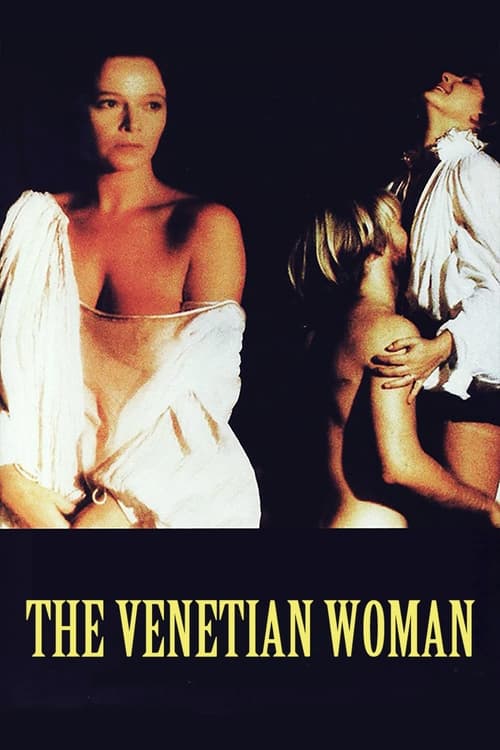
The Venetian Woman
1986
No user ratings available yet
Representation score: 3.3 out of 10
Representation Score
Minimal
1970
GPDirector
Enrico Maria Salerno
Runtime
91 minutes
Average Rating
No ratings yetNew Showbiz Analysis
The film is a period-specific psychological drama that prioritizes individual romantic obsession over diverse representation. It follows a conventional, Eurocentric approach reflective of its 1970s production and 16th-century setting. The narrative focuses on the internal world of a male protagonist, avoiding harmful caricatures but not actively challenging the social hierarchies or gender dynamics of its era. Ultimately, the work functions as a character study of human fragility rather than a vehicle for diverse or subversive storytelling.
Category Breakdown
The film follows traditional romantic and psychological themes typical of 1970s European period dramas, focusing on a male protagonist and a female figure.
The film's structure is heavily influenced by the male perspective, where the female character's actions are largely defined by the male protagonist's fixation and obsession.
The cast is predominantly white and European, reflecting the demographics of 16th-century Venice. There is no evidence of diverse ethnic identities being integrated into the film.
The story operates within a traditional European framework centered on romantic melancholy, focusing on personal experiences rather than broader socio-political critiques.
The film does not prominently depict physical or neurodivergent disabilities, focusing instead on psychological obsession.
Present on Screen
Limited or Absent
Official Synopsis
Without mentioning the reason, Venetian musician Enrico invites his ex-wife Valeria to visit him, and her heart is broken again during their last days together.
1986
1957
1978
1976
1980
1974
1961
1960
No reviews yet. Be the first to share your thoughts on this movie!
Use the rating form above to leave a star rating and optional review.