This Is Martin Bonner
2013
No user ratings available yet
Representation score: 5.5 out of 10
Representation Score
Good
2000
RDirector
Tom Gilroy
Runtime
110 minutes
Average Rating
No ratings yetNew Showbiz Analysis
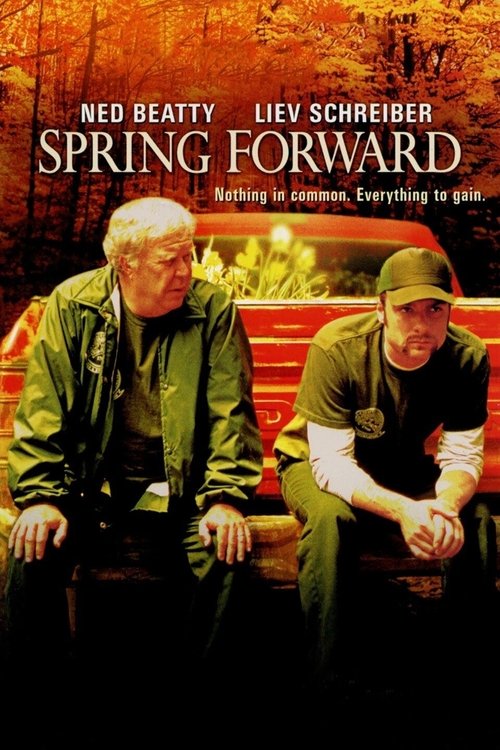
Spring Forward is a character-driven exploration of transformation and resilience. It successfully challenges traditional masculine archetypes by emphasizing emotional growth and mentorship over stoicism and aggression. However, the film's scope is limited to a narrow demographic, primarily featuring a white, working-class community. This limits the racial and ethnic diversity of the narrative. While the film handles queer themes and terminal illness with dignity, these elements often serve as catalysts for the development of the central male characters rather than as independent explorations of their own.
Category Breakdown
The film addresses the terminal illness of Murph's son with a serious tone, avoiding sensationalism and focusing on the reality of navigating a predominantly straight environment.
The story deconstructs traditional masculinity by highlighting the importance of emotional intelligence over physical strength. Paul's journey from incarceration to maturity emphasizes a shift from aggression to vulnerability.
The film centers on a relatively homogenous, small-town Northeastern population. There is limited representation of diverse racial backgrounds within the main character arcs.
The movie explores the tension between underrepresented individuals and established local hierarchies. It delves into the complex negotiations needed for social reintegration within a resistant community.
The film focuses on terminal illness as a lens to explore grief and familial bonds. While the ill son adds emotional depth, the condition primarily serves as a vehicle for these themes rather than an exploration of character independence.
Present on Screen
Limited or Absent
Official Synopsis
Trying to put himself back together after serving prison time for robbery, Paul takes a job as a parks employee in a small Connecticut town. His co-worker, Murph, a generation older than Paul, is dealing with his own issues, chiefly the the impending death of his very ill gay son. After the men have a run-in with local snob Frederickson, Murph's age and experience starts to temper Paul's fiery nature, as the younger man begins to embrace his new life.
2013

2003

2024
1992

2017

2018
2000

2015
No reviews yet. Be the first to share your thoughts on this movie!
Use the rating form above to leave a star rating and optional review.