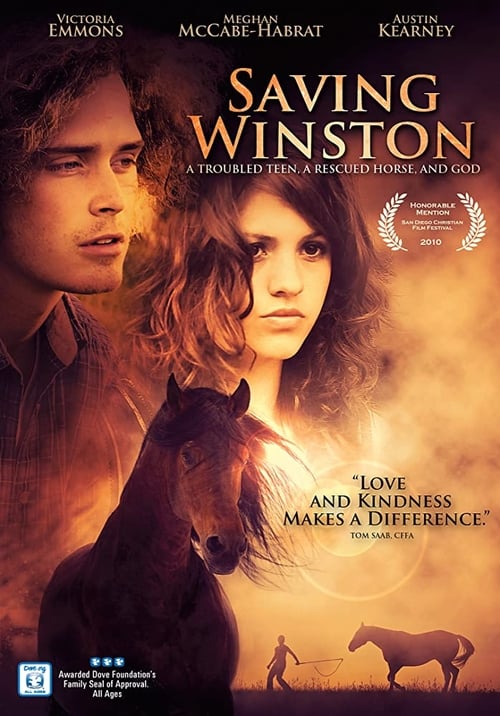
Saving Winston
2011
No user ratings available yet
Representation score: 2.0 out of 10
Representation Score
Fair
1995
PGDirector
David Mackay
Runtime
106 minutes
Average Rating
No ratings yetNew Showbiz Analysis
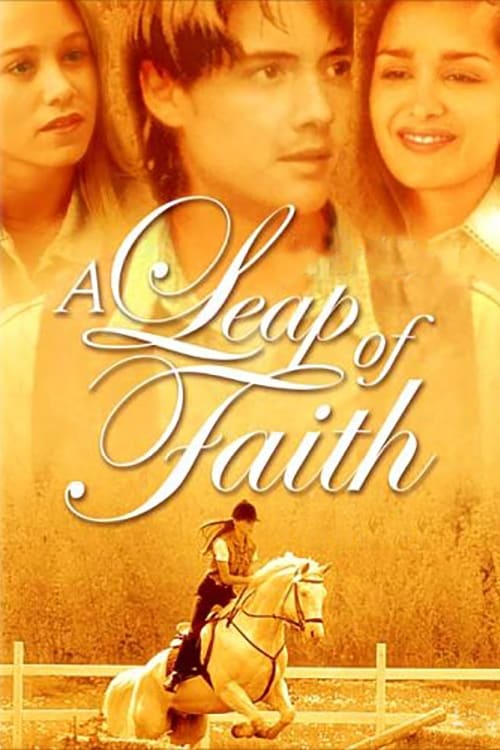
Breaking Free is a conventional mid-90s drama that prioritizes a traditional restorative arc over systemic critique. It succeeds in providing a nuanced portrayal of disability, giving the visually impaired lead character's ability to drive the story and athletic purpose. However, the film lacks demographic breadth and multi-layered complexity. The narrative relies on standard clichés, such as the male redemption arc and the 'inspiring girl' archetype, which limits its progressive impact. Ultimately, while the film avoids harmful clichés, it remains a product of its era, adhering to homogeneous casting and traditional social structures.
Category Breakdown
The film does not include any visible LGBTQ+ identities. It focuses on a mentorship relationship between a cynical teenager and a person with a disability, avoiding negative stereotypes but offering no queer presence.
The story centers on a male protagonist's journey towards redemption. While the female gymnast demonstrates significant influence through her athleticism, the narrative follows a traditional cliché where a boy is inspired by a girl.
There is no indication of a diverse cast. The film appears to adhere to the homogeneous casting standards typical of mid-90s Western dramas.
The story follows a conventional moral arc of personal growth through community service. It emphasizes social responsibility and personal stability without challenging institutional norms.
The film provides meaningful engagement by centering a visually impaired equestrian athlete. It avoids common pitfalls by framing her disability through skill, discipline, and active competition.
Present on Screen
Limited or Absent
Official Synopsis
When troubled, cynical teen Rick chooses service at a camp for the blind over serving time, he thinks he's found the easy way out. Instead, it's the way to a new life. Step by step, as Rick helps a blind gymnast rediscover the joys of competition through equestrian show jumping, they begin to take control of the most important journey of all... a journey called life.
2011
1991
2024
2014
1988
2004
2010
2015
No reviews yet. Be the first to share your thoughts on this movie!
Use the rating form above to leave a star rating and optional review.