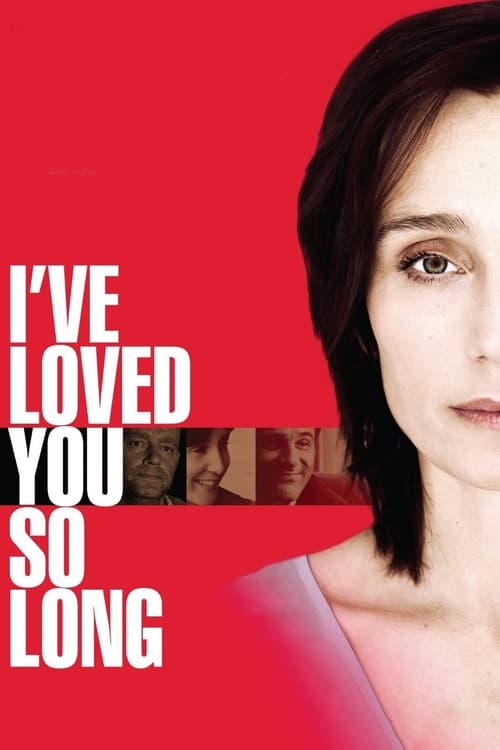
I've Loved You So Long
2008
No user ratings available yet
Representation score: 6.2 out of 10

Representation Score
Good
2013
Director
François Delisle
Runtime
85 minutes
Average Rating
No ratings yetNew Showbiz Analysis
The film is a somber, naturalistic drama that prioritizes psychological realism over demographic breadth. It avoids grand spectacle to focus on the intimate consequences of crime and social isolation. Rather than relying on overt identity politics, the work finds value in dismantling idealized versions of the nuclear family. It replaces these structures with a fragmented view of human ability to act and systemic consequence. Ultimately, the film functions as a study of stagnation, focusing on how guilt and incarceration deconstruct domestic stability.
Category Breakdown
The film does not include explicit LGBTQ+ characters or non-straight relationships. Themes of desire and loneliness are centered around existing domestic and familial bonds.
Female characters such as Suzanne and the aging mother show significant emotional ability to act. Suzanne's decision to move on challenges the traditional cliché of the devoted, waiting wife.
The story seems to reflect a homogeneous social environment typical of localized French drama. It emphasizes class and psychological status over ethnic or racial diversity.
The narrative critiques institutional stability and traditional justice through its focus on a criminal protagonist. It explores a subjective morality where emotional necessity outweighs rigid social codes.
While no physical disabilities are mentioned, the film explores the psychological weight of guilt and isolation. These mental burdens are central to the human condition.
Present on Screen
Limited or Absent
Official Synopsis
Forty-something Pierre is serving a fourteen year prison sentence. His mother, who is approaching eighty, visits him every week. Suzanne, Pierre's current wife, has moved on since he was sent away. Each character gives us a frank account of a period in their lives that seems suspended in time by the fragile connection between life on the inside and the world outside. Their destinies are linked by crime, guilt and loneliness, and like casualties of love and desire, they are dying to stick their heads above the water and breathe the air of life.
2008

2007
2009
2006

2013

2010
2008
1998
No reviews yet. Be the first to share your thoughts on this movie!
Use the rating form above to leave a star rating and optional review.