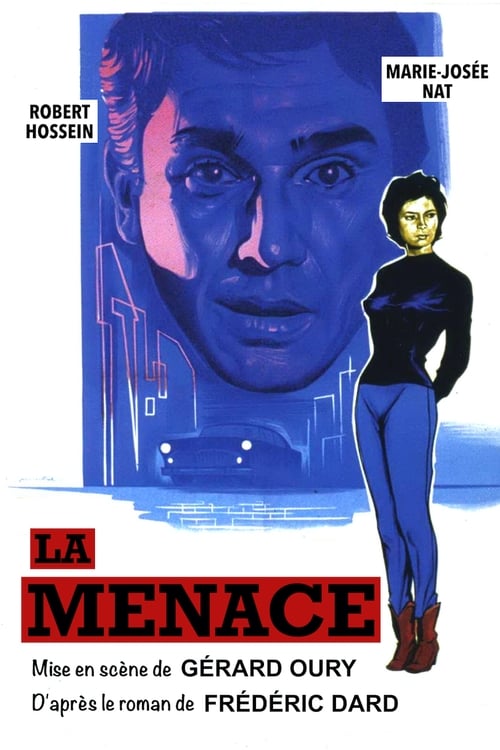
The Menace
1961
No user ratings available yet
Diversity score: 4.3 out of 10
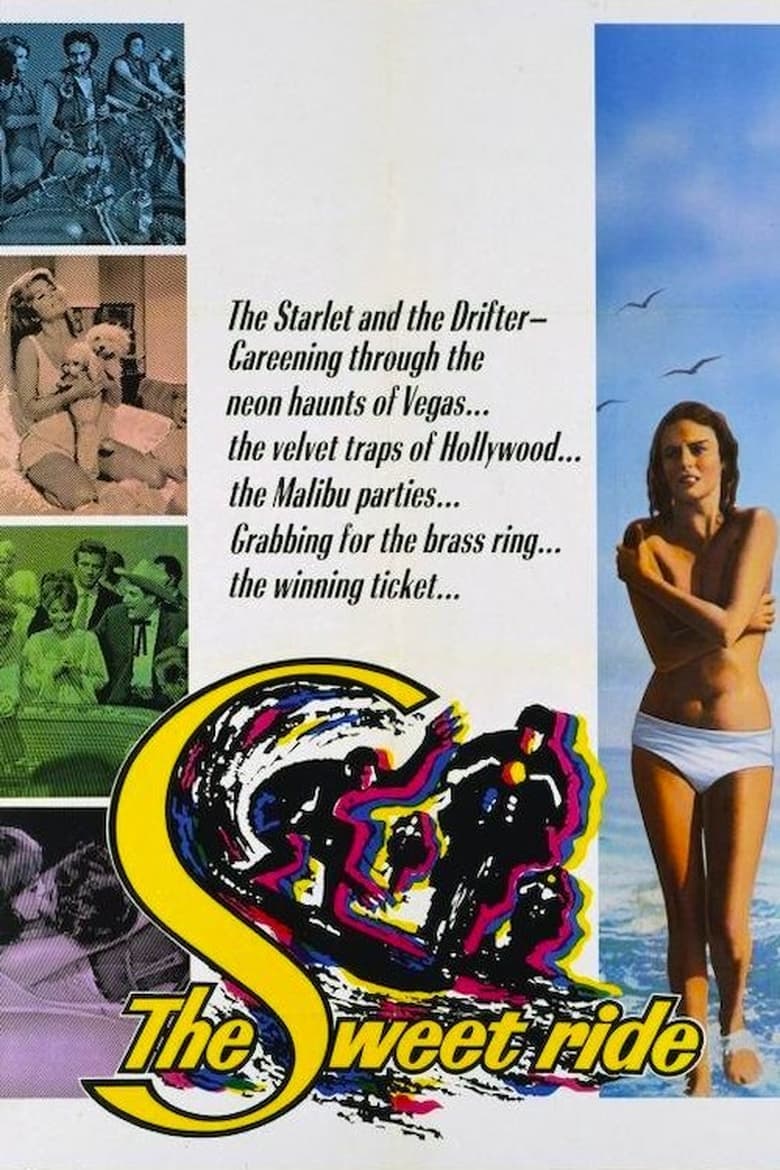
1968
RDirector
Harvey Hart
Runtime
110 minutes
Average Rating
No ratings yetSynopsis
AA tennis bum (Tony Franciosa) and his Malibu Beach buddies hang out with a TV actress (Jacqueline Bisset) headed for trouble.
Overall Score
Limited
Category Breakdown
LGBTQ+ Representation
The film lacks explicit queer identities or non-heteronormative narratives. It focuses on Malibu beach culture, which typically adhered to conventional heteronormative frameworks in 1968.
Gender Representation
The story centers on a male protagonist and his social circle. However, the female lead's trajectory suggests an exploration of shifting female agency and the deconstruction of feminine archetypes.
Racial & Ethnic Diversity
The setting and cast suggest a predominantly white, Anglo-Saxon social environment. There is no evidence of a diverse or color-blind casting approach in this production.
Religious & Cultural Diversity
The narrative disrupts traditional institutions by focusing on a drifting, aimless social class. This reflects a growing skepticism toward stable Western structures like the nuclear family.
Disability Representation
There is no discernible evidence regarding the portrayal of physical or neurodivergent disabilities within the film's narrative.
Strengths
Areas for Improvement
AI Analysis
The Sweet Ride serves as a period-specific character study that reflects the social constraints of 1968. While it lacks intersectional complexity, it captures a transitional moment in cultural history. The film's focus on social outsiders and the disruption of traditional stability offers a moderate departure from earlier, rigid moralism. However, it remains largely homogeneous in its demographic makeup. Ultimately, the work leans into the era's shifting values by exploring lifestyle-oriented morality rather than traditional societal roles.
1961
1976
1964
1967
1968
1960
1967
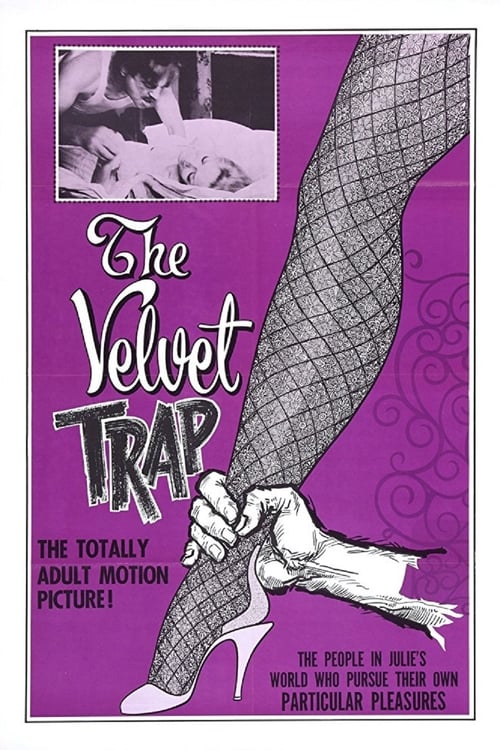
1968
1966
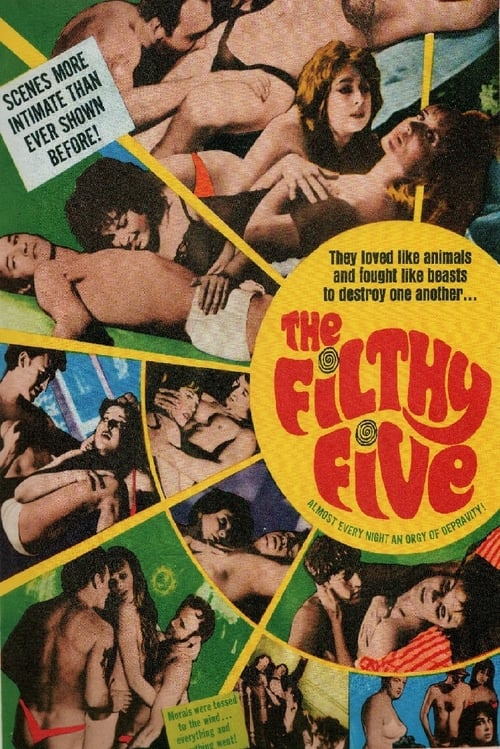
1968
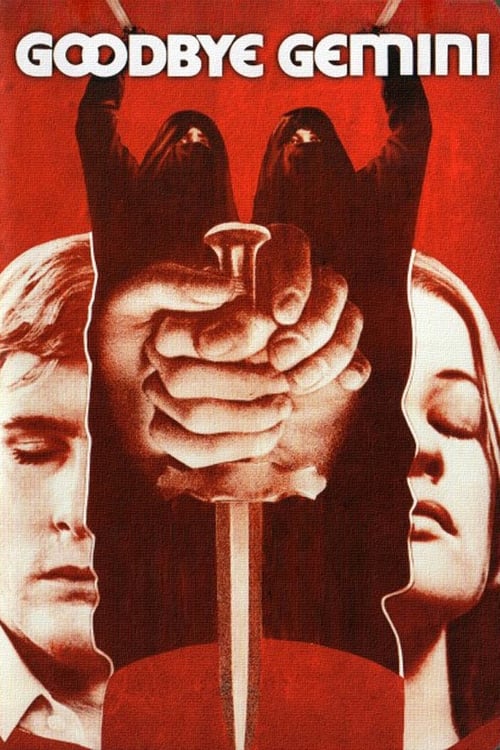
1970
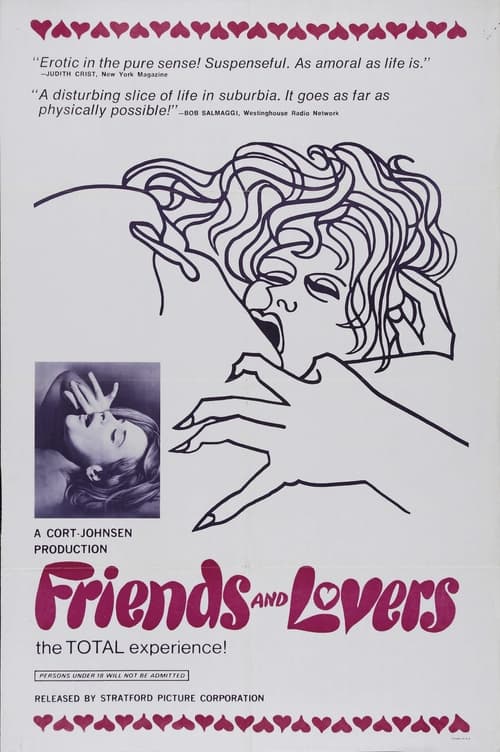
1969
No reviews yet. Be the first to share your thoughts on this movie!
Use the rating form above to leave a star rating and optional review.