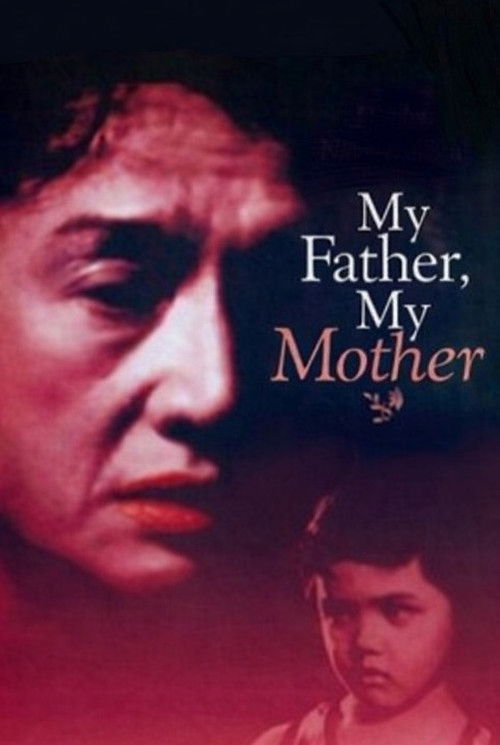
My Father, My Mother
1978
No user ratings available yet
Representation score: 6.8 out of 10

Representation Score
Good
2013
PGDirector
Wenn V. Deramas
Runtime
110 minutes
Average Rating
No ratings yetNew Showbiz Analysis
Bekikang: Ang Nanay Kong Beki redefines the maternal archetype by placing a transgender protagonist at the center of a mainstream comedy. This shifts the focus from mere representation to active participation within the family unit. The film effectively challenges traditional gender hierarchies by showing caregiving independent of conventional gender roles. It uses the protagonist's identity to question established norms around biological motherhood and social roles. While deeply rooted in Filipino culture, the film primarily explores the tension between individual identity and traditional family structures rather than broader cultural or religious themes.
Category Breakdown
The film centers a transgender woman whose identity shapes both the humor and emotional core of the story, challenging traditional views of domestic life.
By portraying a non-binary person in a maternal role, the film questions the necessity of biological traits for motherhood. The protagonist's actions highlight her strength and independence, separating nurturing from traditional gender roles.
The story presents a genuine, local perspective of Filipino culture. It avoids Western-centric storytelling by focusing on specific socio-cultural elements.
The narrative examines the tension between personal identity and traditional family expectations. It emphasizes the subjective experiences of individuals who feel sidelined by strict social norms.
The plot includes a maternal figure's illness, but disability is not a central theme. It mainly serves as a catalyst for character growth and emotional development.
Present on Screen
Limited or Absent
Official Synopsis
Bekikang is left and abandoned with a baby boy by friend, Fortunato. He loves and raises the child as his own flesh and blood. When things are going so well between Bekikang and the child, Fortunato and the mother of the child after years of absence reappear to take the child back.
1978

1921

2006

2002

2008

2011
2008
2000
No reviews yet. Be the first to share your thoughts on this movie!
Use the rating form above to leave a star rating and optional review.