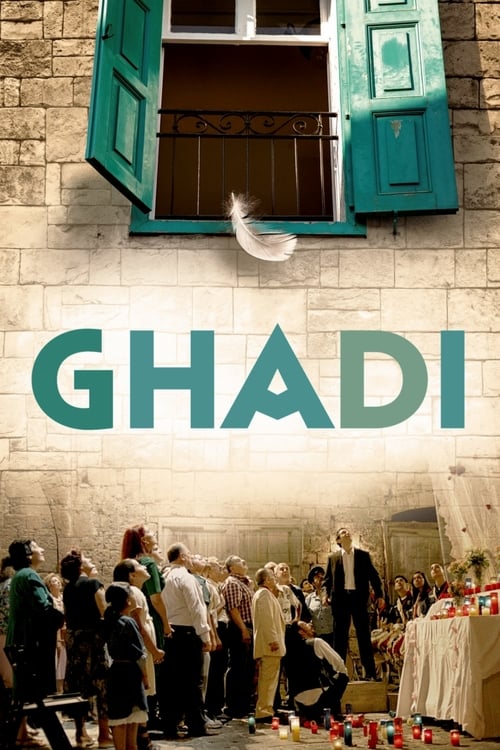
Ghadi
2013
No user ratings available yet
Diversity score: 5.9 out of 10

2013
Director
Wenn V. Deramas
Runtime
106 minutes
Average Rating
No ratings yetSynopsis
Quadruplet siblings (two boys and two girls) played by Vice Ganda were separated after birth when their grandmother steals two of the siblings (a boy and a girl) away from their mother. The stolen siblings lived a comfortable life in the US, not knowing that their mother and siblings, a gay and a lesbian, struggled to make ends meet in the Philippines. When the boy develops hepatitis that requires him to have a liver transplant from a compatible donor, their father tells them about their siblings in the Philippines, who may be possible candidates as donors. But once the siblings finally meet, pent up resentment and animosity between the girl and the gay siblings, has threatened the chances of the boy sibling's survival.
Overall Score
Good
Category Breakdown
LGBTQ+ Representation
The film centers queer identities by placing 'Bakla' and 'Tomboy' characters at the heart of the plot. These identities drive the central conflict and resolution, moving beyond mere decoration to provide characters with significant agency.
Gender Representation
The quadruplet structure actively subverts traditional gender hierarchies. By presenting characters who perform roles contrary to their biological sex, the film deconstructs notions of natural masculinity and femininity through gender expression.
Racial & Ethnic Diversity
As a Filipino production, the film offers localized cultural authenticity. While the cast is ethnically homogeneous, it avoids Anglo-centric norms by focusing on Southeast Asian familial and socioeconomic nuances.
Religious & Cultural Diversity
The narrative explores the friction between different socioeconomic classes and the instability of traditional family structures. It examines how wealth and upbringing shape each sibling's subjective reality and social mobility.
Disability Representation
A medical crisis involving a liver transplant serves as the primary plot catalyst. While characters maintain agency during this vulnerability, the focus remains on familial responses rather than deep explorations of chronic lived experience.
Strengths
Areas for Improvement
AI Analysis
The film succeeds by making non-conforming identities the structural foundation of its narrative. Rather than treating queer or gender-nonconforming characters as peripheral, the story uses their unique perspectives to drive the emotional stakes and plot resolution. While the film excels in gender subversion and LGBTQ+ agency, it remains a culturally homogeneous production. The focus on socioeconomic class provides depth, though the representation of physical illness serves more as a plot device than a nuanced study of disability. Overall, the work moves past tokenism by integrating identity into the very core of the family drama, challenging traditional binaries through a localized Filipino lens.
No reviews yet. Be the first to share your thoughts on this movie!
Use the rating form above to leave a star rating and optional review.