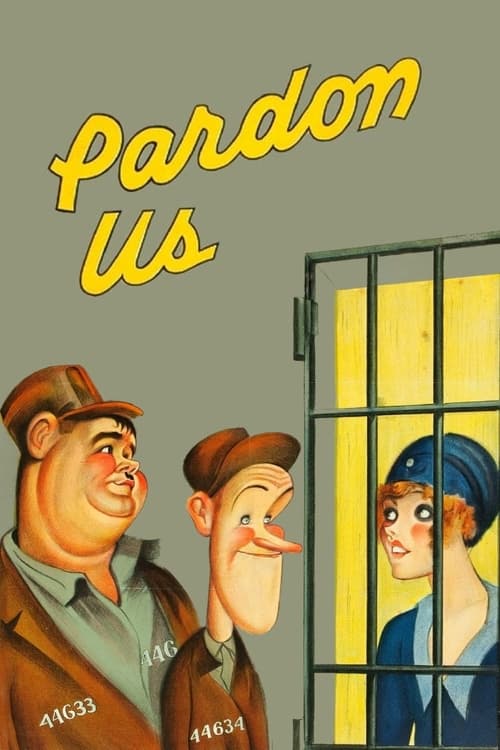
Pardon Us
1931
No user ratings available yet
Representation score: 1.6 out of 10
Representation Score
Minimal
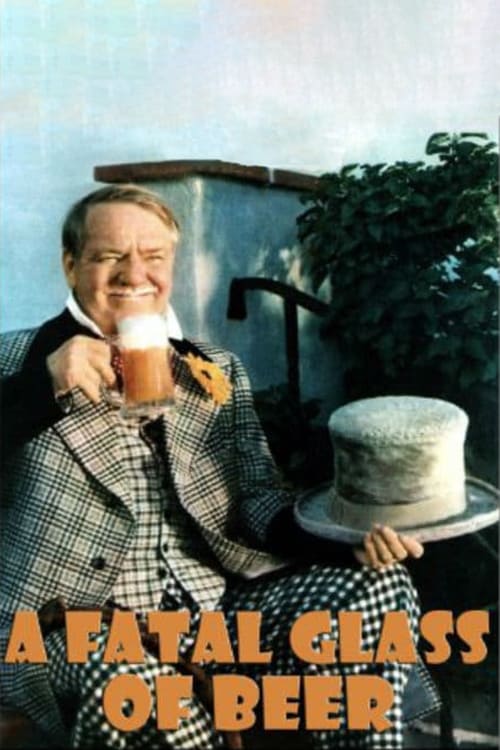
1933
NRDirector
Clyde Bruckman
Runtime
19 minutes
Average Rating
No ratings yetNew Showbiz Analysis
The Fatal Glass of Beer is a classic example of 1933-era slapstick comedy, emphasizing physical humor over social critique. Its narrative structure relies on traditional cinematic clichés centered around domestic life and social hierarchies. Given its adherence to the norms of its time, the film provides minimal exploration of diverse identities or subversive perspectives.
Category Breakdown
The film does not include any representation of LGBTQ+ identities or same-sex relationships. It assumes everyone is straight and cisgender.
The movie follows traditional gender roles and domestic stereotypes from the 1930s. Comedic tension arises from expected interactions between men and women.
The cast is uniform, reflecting a non-diverse domestic setting. There are no characters of color with significant influence in the story.
This comedy focuses on physical humor and slapstick rather than cultural or ideological themes. It adheres to the conventional social structures of the 1930s.
The film does not depict any physical disabilities, chronic illnesses, or neurodivergence. Characters are portrayed as fully able-bodied.
Present on Screen
Limited or Absent
Official Synopsis
The prodigal son of a Yukon prospector comes home on a night that "ain't fit for man nor beast."
1931
1934
1934
1933
1932
1935
1933
1924
No reviews yet. Be the first to share your thoughts on this movie!
Use the rating form above to leave a star rating and optional review.