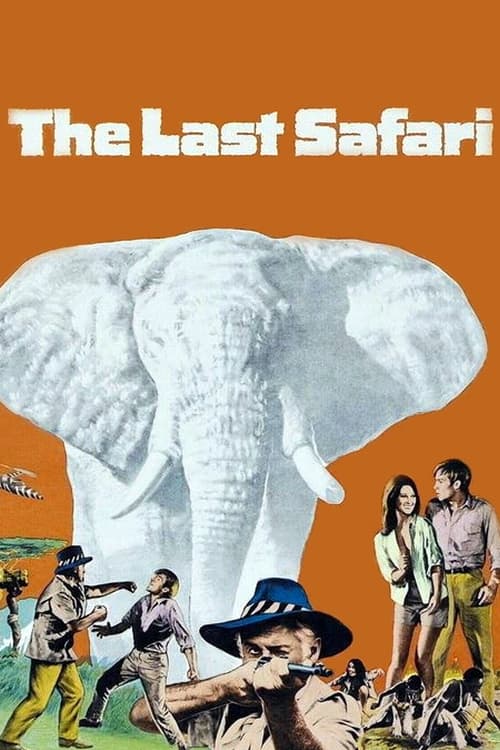
The Last Safari
1967
No user ratings available yet
Representation score: 1.7 out of 10
Representation Score
Minimal
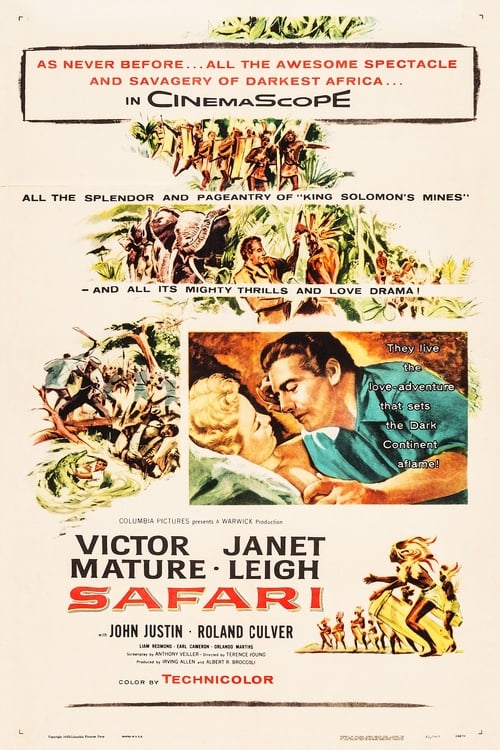
1956
NRDirector
Terence Young
Runtime
90 minutes
Average Rating
No ratings yetNew Showbiz Analysis
Safari is a quintessential product of its 1950s historical context, functioning as a traditional adventure piece. It reinforces established social, racial, and gender hierarchies rather than challenging them. The film relies heavily on the 'explorer' archetype, prioritizing the experiences of Western characters over the local populations they encounter. This creates a narrow narrative lens that validates colonial-era authority. Ultimately, the work lacks the intentionality needed to disrupt mid-century clichés, offering a standard representation of Western-centric adventure cinema.
Category Breakdown
The film does not include any LGBTQ+ characters or explore non-straight relationships. The interpersonal dynamics focus solely on traditional romantic pairings and heterosexual relationships.
Gender roles remain rigid, with men holding positions of leadership and physical strength. Female characters primarily support or react to the actions of male characters.
The story centers a European perspective set in Africa. Indigenous populations are portrayed through colonial adventure clichés rather than as fully developed, actively leading characters.
The film upholds Western institutional values and the mechanics of colonial-era expeditions. It validates Western authority in foreign territories without presenting alternative cultural viewpoints.
There is no significant portrayal of physical or neurodivergent disabilities in the film.
Present on Screen
Limited or Absent
Official Synopsis
Wealthy eccentric Sir Vincent Brampton and his fiancée Linda Latham hire Ken Duffield to lead them on a jungle hunt. Duffield is looking for the murderer of his son; he gets the killer and Linda.
1967
1962
1951

1950
1957
1939

1959
1965
No reviews yet. Be the first to share your thoughts on this movie!
Use the rating form above to leave a star rating and optional review.