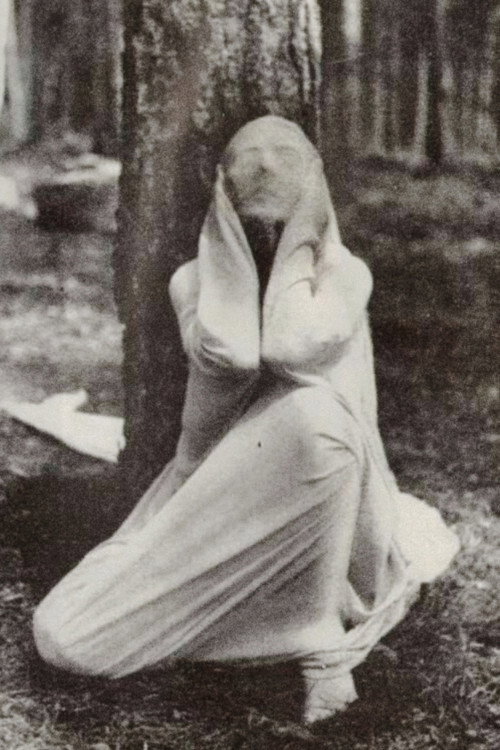
Oramunde
1933
No user ratings available yet
Diversity score: 2.8 out of 10

1913
NRDirector
Lucius Henderson
Runtime
22 minutes
Average Rating
No ratings yetSynopsis
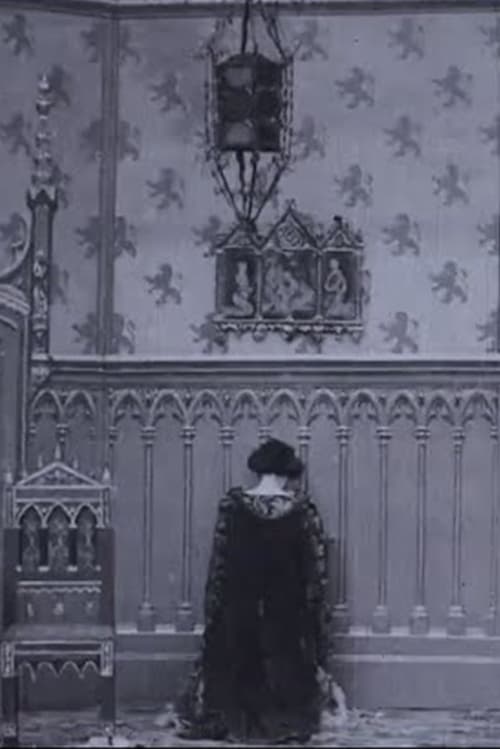
Southern California locations vividly suggest both elemental pre-Roman Britain and classical Rome. An energetic cinematic pacing and intimacy show rapidly improving narrative technique and realism well beyond the limitations of the stage. Especially cinematic are the bedchamber scene in the first reel, with its intimate cinematography and acting and special lighting effect, and the battle scene of the second reel, considered very effective in its day.
Overall Score
Limited
Category Breakdown
LGBTQ+ Representation
The film lacks evidence of non-cisnormative identities or same-sex intimacy. It adheres to the traditional romantic and familial structures found in Shakespearean adaptations of the era.
Gender Representation
While the narrative features strong female protagonists like Imogen, they operate within patriarchal constraints. The intimate cinematography highlights female presence without dismantling established gender hierarchies.
Racial & Ethnic Diversity
The production reflects a Eurocentric lens typical of 1913 Hollywood. There is no evidence of diverse ethnic perspectives or race-bent casting in this portrayal of pre-Roman Britain.
Religious & Cultural Diversity
The film reinforces Western literary canons through its focus on classical Rome and Britain. It celebrates established historical traditions rather than offering subversive or anti-institutional perspectives.
Disability Representation
There is no mention of characters portraying physical or neurodivergent disabilities within the film's narrative.
Strengths
Areas for Improvement
AI Analysis
Lucius Henderson’s 1913 adaptation of *Cymbeline* serves as a historical artifact of classical storytelling. It prioritizes the dramatic weight of Shakespearean tradition over modern intersectional representation. The film's cinematic techniques, such as intimate lighting and effective battle scenes, focus on narrative realism rather than social disruption. The production is deeply rooted in the Eurocentric standards of early silent cinema. It presents a stylized version of Western history that maintains the social hierarchies and traditional romantic tropes of the period.
1933
1910

1911
1914
1928

1913
1925
1899
1907
1921
1969

1918
No reviews yet. Be the first to share your thoughts on this movie!
Use the rating form above to leave a star rating and optional review.