Road North
2012
No user ratings available yet
Representation score: 3.4 out of 10
Representation Score
Fair
2024
Director
Guillaume Senez
Runtime
98 minutes
Average Rating
No ratings yetNew Showbiz Analysis
A Missing Part functions as a character study that disrupts the typical reunion genre clichés. Instead of a triumphant return to a stable family, the film presents a fragmented and complex reality. It avoids the idealized portrayal of patriarchal stability, focusing instead on unresolved tension. The film's primary strength is its cross-cultural setting, which uses the Tokyo landscape to explore displacement. By placing a French man in a foreign social environment, the story moves beyond simple travel narratives to examine deeper cultural intersections. However, the film lacks representation in several key areas. There is no visible engagement with LGBTQ+ identities or disability representation, and the narrative remains largely centered on traditional kinship dynamics.
Category Breakdown
The film focuses on a fractured familial bond between a father and daughter. There is no explicit depiction of LGBTQ+ identities or relationships that challenge the assumption that everyone is straight or cisgender.
The story centers on a male protagonist navigating a failed domestic structure. While the male protagonist drives the plot, the female characters play a significant role in shaping the family's separation.
Set in Tokyo, the film places a French protagonist within an East Asian urban landscape. This setting facilitates a nuanced exploration of displacement and the intersection of Western and Japanese identities.
The narrative explores the breakdown of the traditional nuclear family and themes of social isolation. The Tokyo backdrop provides a critique of maintaining personal connections within modern, highly structured urban environments.
The available information does not mention characters navigating physical, sensory, or neurodivergent disabilities.
Present on Screen
Limited or Absent
Official Synopsis
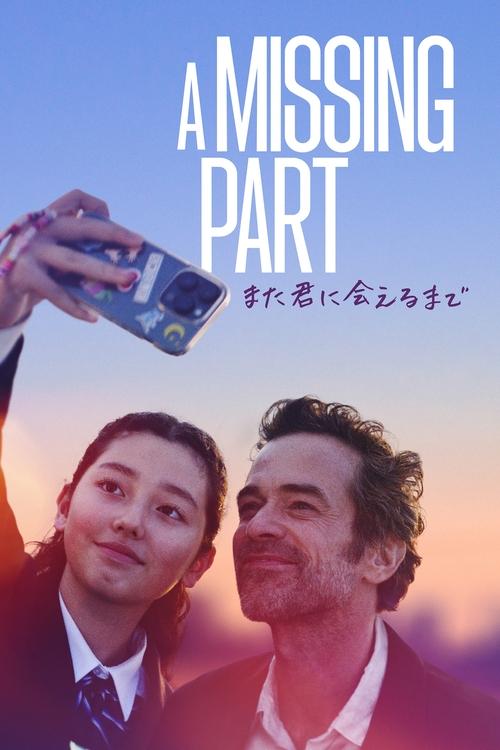
Every day, Jay travels the length and breadth of Tokyo in his taxi, looking for his daughter Lily. In the 9 years since he has separated from his wife, he has never been able to get custody of his daughter. Having given up hope of ever seeing her again, he is about to move back to France when Lily hops in his cab. But she doesn't recognize him.
2012

2016

2019

2020

2021

2011

1951

2012
No reviews yet. Be the first to share your thoughts on this movie!
Use the rating form above to leave a star rating and optional review.