Stigma
1982
No user ratings available yet
Representation score: 4.1 out of 10
Representation Score
Fair
1985
Director
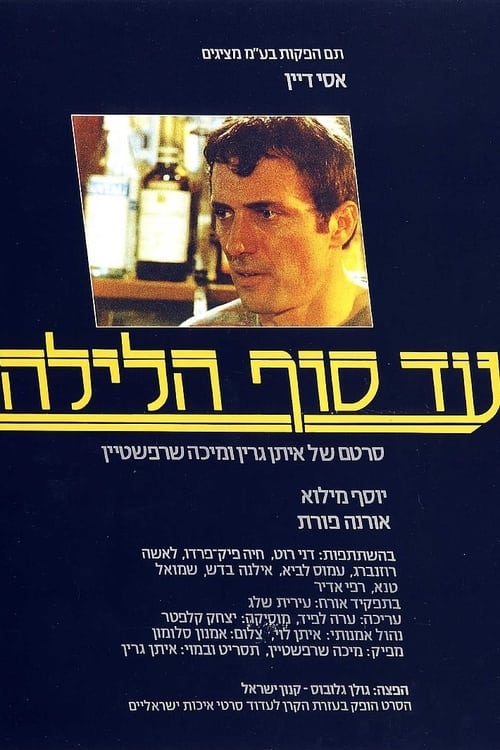
Eitan Green
Runtime
90 minutes
Average Rating
No ratings yetNew Showbiz Analysis
When Night Falls is a gritty, character-driven drama that prioritizes psychological realism over idealized social structures. It challenges the stability of the traditional family unit and explores the alienation of the outsider within a dominant culture. While the film offers a sophisticated look at social and religious stratification, it remains narrow in its demographic scope. The narrative is heavily centered on male instability and the fallout of regional conflict, leaving little room for diverse gendered roles or LGBTQ+ perspectives. Ultimately, the film succeeds as a critique of communal ideals, using the protagonist's domestic failures and his father's existential crisis to highlight systemic social alienation.
Category Breakdown
The film does not include explicit LGBTQ+ characters or non-straight relationships. It focuses on the instability of a traditional marriage and the conflicts within the nuclear family.
The story centers on the failures of traditional masculinity, with a protagonist defined by infidelity and instability. Female characters primarily deal with the consequences of these male-driven crises.
The setting is within a specific Jewish societal context, which limits ethnic diversity. However, the inclusion of a non-Jewish father provides a nuanced look at social stratification.
The film deconstructs traditional institutions by portraying the nuclear family as a site of dysfunction. It explores the tension between generational values and modern urban life.
There is no documented evidence regarding the portrayal of physical or neurodivergent disabilities in this work.
Present on Screen
Limited or Absent
Official Synopsis
Giora (Assi Dayan) runs a bar and dreams of opening a restaurant. He has made a mess of his life — his marriage is in trouble, since he is pathologically cheating on his wife; his parents (Yosef Millo and Orna Porat) have separated; and his father arrives for an extended visit from Nahariya. Giora spends time with his army buddies, recalling their experiences during the War in Lebanon. His father is undergoing a major life crisis and finds both the loneliness of the city and his son's lifestyle unappealing. As a non-Jew in a Jewish society, he feels estranged, an outsider who has never been able to adapt, and contemplates suicide. Eventually, Giora's parents decide to attempt a reconciliation, until tragedy strikes.
1982
1984
2003
2017
2012
1974
1974
1995
No reviews yet. Be the first to share your thoughts on this movie!
Use the rating form above to leave a star rating and optional review.