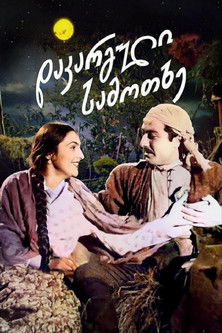
Lost Paradise
1937
No user ratings available yet
Diversity score: 3.7 out of 10

1983
Director
Aleksandr Pavlovskiy
Runtime
135 minutes
Average Rating
No ratings yetSynopsis
It is 1920. After three years of the Russian Civil War, communist government is finally established in Odessa. Young Alyosha Patrikeyv, who dreams of being a detective like Sherlock Holmes, joins the newly forming Odessa Criminal Police. He is assigned to fight illegal booz production in a small village of Severinovka. When he goes on a chase after a horse thief Krasavchik, Alyosha finds himself up against Cherven - the most dangerous criminal in Odessa.
Overall Score
Fair
Category Breakdown
LGBTQ+ Representation
The film lacks LGBTQ+ characters or narratives that challenge heteronormativity. The story focuses on state order and criminal pursuits, adhering to traditional social structures.
Gender Representation
Plot agency is concentrated in male characters, specifically the protagonist and his antagonists. Women may appear in the village, but they do not drive the central detective conflict.
Racial & Ethnic Diversity
While set in the multi-ethnic port of Odessa, the narrative prioritizes class struggle and state formation. It does not explicitly explore racial or ethnic intersectionality.
Religious & Cultural Diversity
The film excels in portraying the dismantling of pre-revolutionary social hierarchies. It frames the transition to a communist government as a necessary systemic evolution.
Disability Representation
There is no mention of characters with visible or invisible disabilities. The narrative does not address disability representation.
Strengths
Areas for Improvement
AI Analysis
The Green Van is a period piece centered on political transition and the establishment of state authority in 1920s Odessa. Its narrative strength lies in its cultural depiction of class-based systemic shifts and the dismantling of old-world institutions. However, the film lacks the intersectional complexity expected in modern cinema. It focuses heavily on masculine roles of lawmen and outlaws, leaving little room for diverse gender or sexual identities. Ultimately, the film's perspective is rooted in the ideological frameworks of the 1980s Soviet era, prioritizing collective struggle over individual identity-based representation.
1937
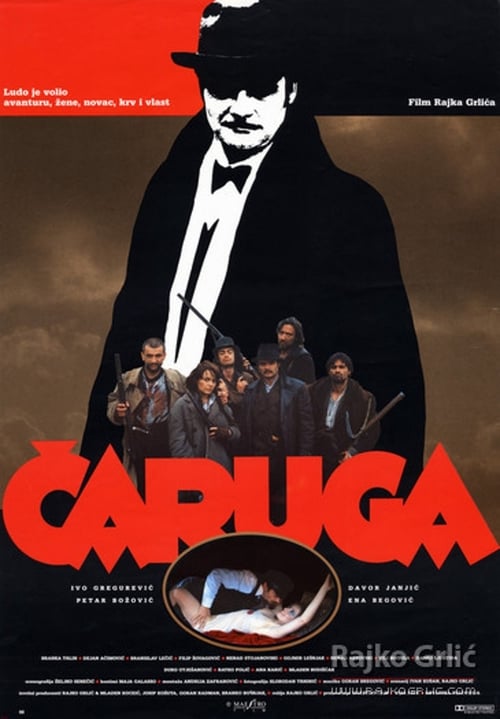
1991
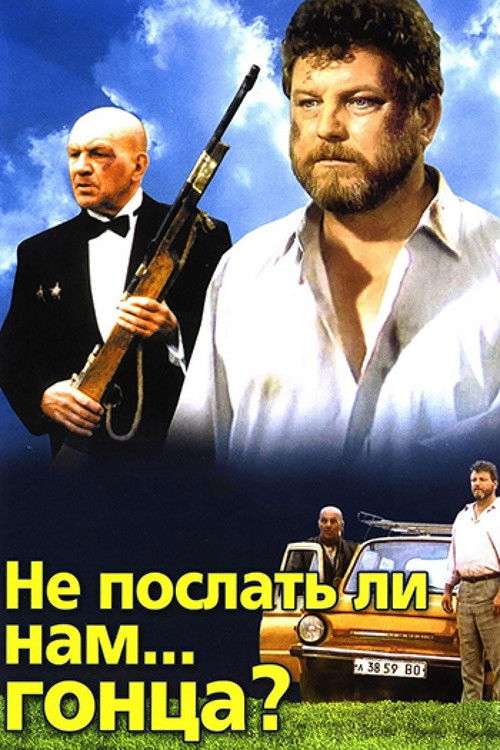
1998
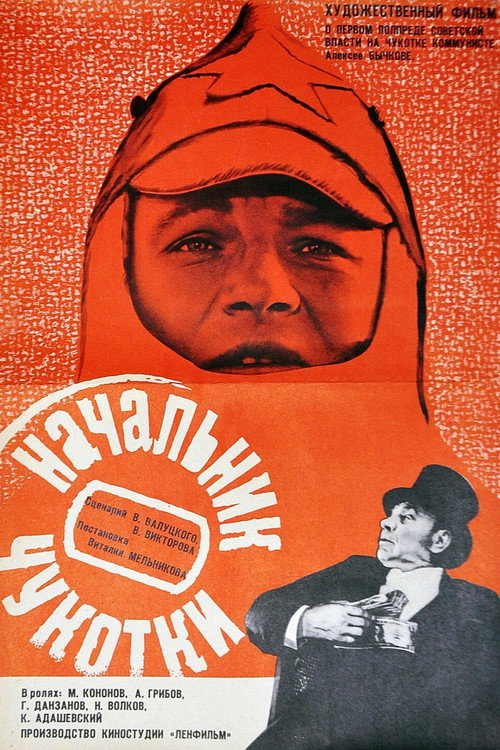
1967
No reviews yet. Be the first to share your thoughts on this movie!
Use the rating form above to leave a star rating and optional review.