
Oleksa Dovbush
1960
No user ratings available yet
Representation score: 3.0 out of 10
Representation Score
Fair
1991
Director
Rajko Grlić
Runtime
108 minutes
Average Rating
No ratings yetNew Showbiz Analysis
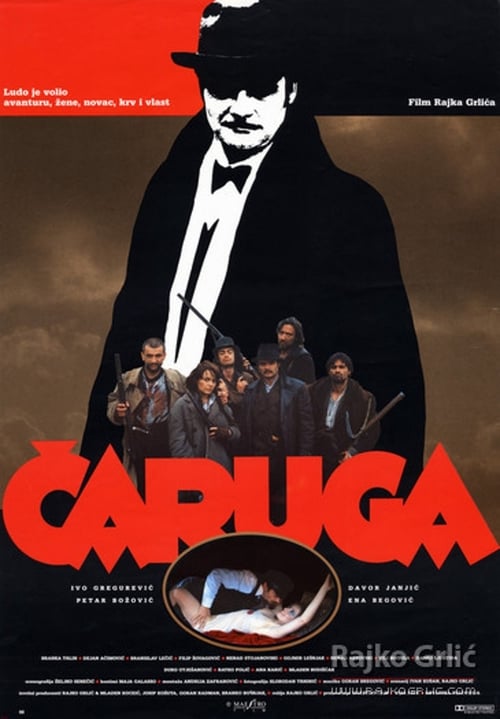
Čaruga is a sophisticated historical drama that uses the bandit cliché to critique institutional power. It prioritizes cultural critique over broad demographic variety, focusing on the breakdown of social contracts in a post-war landscape. While the film doesn't excel in traditional representation categories like gender or LGBTQ+ identity, it shines in its cultural perspective. It challenges monolithic historical narratives by presenting a morally ambiguous world where systemic corruption justifies lawless defiance. Ultimately, the film's value lies in its subversion of 'law and order' morality, making it a significant study of individual action against oppressive state structures.
Category Breakdown
The film focuses on masculine camaraderie among bandits, though it doesn't show same-sex intimacy. The outlaw lifestyle provides a break from typical straight relationships and social norms.
Men dominate the story, reflecting the historical context of wartime veterans. Women play traditional roles within the village but don't drive the main plot.
The cast is ethnically uniform, reflecting its specific Croatian setting. It avoids Western whitewashing by focusing on local Balkan conflicts and changing political boundaries.
The film stands out by criticizing state institutions and traditional authority. It portrays criminal behavior as a rebellion against oppressive law enforcement and corrupt systems, emphasizing anti-establishment themes.
There is no significant depiction of physical or neurodivergent disabilities as central narrative elements in this work.
Present on Screen
Limited or Absent
Official Synopsis
After returning from the Eastern Front to their small Croatian village as veterans of the First World War, Jovan Stanisavljević (nicknamed Čaruga) and his comrade known only as Mali join forces with the gang led by a local bandit and communist revolutionary Boža The Red. After Boža is brutally murdered by law enforcement officials, Čaruga takes over as the gang's leader, turning them into a bloodthirsty troop that won't take no for an answer.
1960
1980
1989
2009
1984
1972
1974
1963
No reviews yet. Be the first to share your thoughts on this movie!
Use the rating form above to leave a star rating and optional review.